


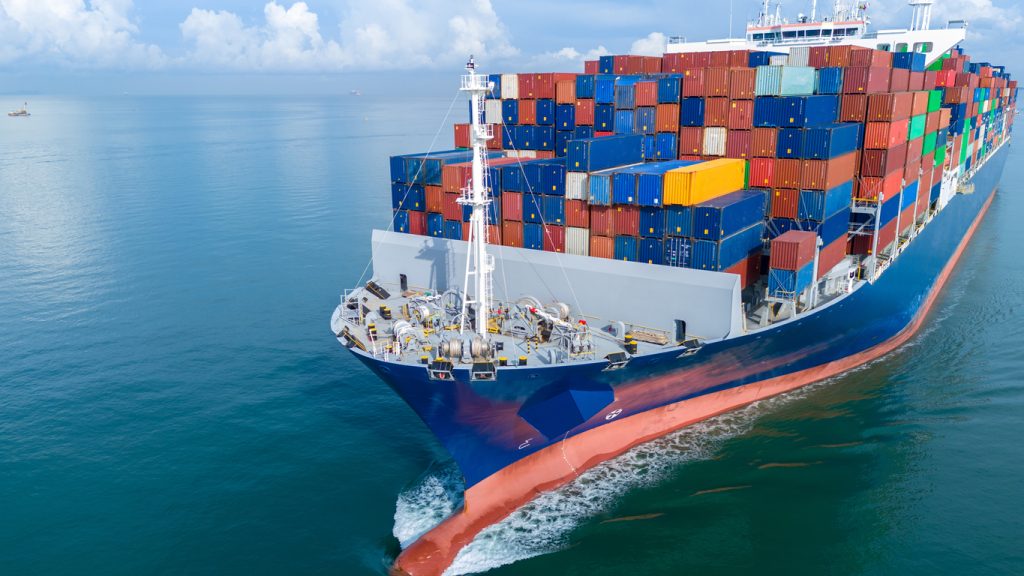
Cargo seized by Customs in Nigeria refers to imported goods that have been confiscated by the Nigeria Customs Service (NCS) due to violations of import regulations, suspected fraud, counterfeit issues, or documentation problems. This usually happens at major ports such as Apapa Port, Tin Can Island Port, and Lekki Deep Sea Port.
In simple terms, it means Customs has taken control of your goods and stopped them from being released.
⸻
Why Cargo Is Seized by Customs in Nigeria
1. Counterfeit or Fake Goods
- Goods suspected to be imitation or unauthorized branded products
- Violation of intellectual property rights
⸻
2. Misdeclaration of Cargo
- Wrong product description
- Incorrect quantity or value declared
- False HS code classification
⸻
3. Import Duty Violations
- Underpayment or evasion of customs duties
- Incorrect valuation of goods
⸻
4. Prohibited or Restricted Items
- Goods not allowed into Nigeria
- Items requiring special permits without approval
⸻
5. Documentation Errors
- Missing or inconsistent import documents
- Errors in invoice, packing list, or bill of lading
⸻
6. Regulatory Non-Compliance
- Failure to meet SON, NAFDAC, or other agency requirements
- Lack of product certification or approval
⸻
Common Types of Cargo Seized in Nigeria
Electronics
- Fake phones
- Substandard chargers and batteries
Pharmaceuticals
- Unapproved medicines
- Counterfeit drugs
Fashion Goods
- Fake branded clothing
- Luxury item replicas
Food and Cosmetics
- Uncertified consumables
- Fake skincare products
Industrial Goods
- Substandard machinery
- Incorrectly declared equipment
⸻
What Happens When Customs Seizes Cargo
1. Cargo Detention
- Goods are held at the port
- Importer cannot access or move them
⸻
2. Investigation
Customs may:
- Inspect goods physically
- Review shipping documents
- Verify importer and supplier details
⸻
3. Inter-Agency Involvement
Depending on the case, agencies like:
- SON
- NAFDAC
- IP enforcement units
may be involved
⸻
4. Possible Outcomes
Release of Cargo
- If issues are resolved or corrected
Confiscation
- If goods are illegal or counterfeit
Destruction
- Fake or harmful goods may be destroyed
Legal Action
- Fines or prosecution in serious cases
⸻
Effects of Cargo Seizure
1. Financial Loss
- Loss of goods and shipping costs
- Additional charges and penalties
⸻
2. Business Disruption
- Delayed inventory supply
- Interrupted sales and operations
⸻
3. Reputation Damage
- Loss of trust with customers and partners
⸻
4. Increased Logistics Costs
- Demurrage and storage fees
- Extra handling and clearance expenses
⸻
Common Scenarios in Nigerian Ports
- Container held at Apapa due to wrong HS code
- Cargo detained at Tin Can for suspected counterfeit goods
- Shipment flagged at Lekki Port for valuation issues
- Electronics seized during customs inspection
- Mixed goods detained due to documentation mismatch
⸻
How to Respond When Cargo Is Seized
1. Identify the Reason
- Obtain official seizure or detention notice
⸻
2. Provide Documentation
- Invoice
- Packing list
- Bill of lading
- Supplier details
⸻
3. Engage Customs or Agents
- Work with licensed clearing agents
- Seek clarification from Customs officers
⸻
4. Resolve Compliance Issues
- Pay required duties or penalties
- Correct documentation errors
- Provide missing approvals if needed
⸻
5. Accept Final Decision (If Applicable)
- If goods are confirmed illegal or counterfeit, they may be forfeited
⸻
How to Prevent Cargo Seizure in Nigeria
1. Accurate Documentation
Ensure all import documents match exactly:
- Product description
- Quantity
- Value
- HS code
⸻
2. Use Verified Suppliers
- Avoid untrusted or unknown manufacturers
- Confirm product legitimacy
⸻
3. Pre-Shipment Inspection
- Verify goods before shipping from origin country
⸻
4. Proper Regulatory Compliance
- Obtain SON, NAFDAC, or other required approvals
⸻
5. Work With Experienced Logistics Partners
- Use professional clearing agents
- Ensure proper customs handling
⸻
Role of Insurance
Cargo insurance does NOT cover:
- Customs seizure
- Counterfeit goods
- Illegal imports
- Documentation violations
It typically covers:
- Physical damage
- Theft during transit
- Loss during shipping
⸻
How Travo.ng Supports Import Operations in Nigeria
Cargo seizure often results from poor logistics coordination and documentation errors.
Travo.ng supports businesses through:
- Cargo pickup from Apapa, Tin Can, and Lekki ports
- Nationwide transportation services
- Interstate logistics coordination
- Commercial cargo delivery
- Distribution support for businesses
- Last-mile delivery solutions
Reliable logistics planning helps reduce risks that lead to cargo detention or seizure.
⸻
Final Insight
Cargo seizure by Customs in Nigeria is a serious trade issue caused by counterfeit goods, documentation errors, valuation problems, or regulatory non-compliance. Importers can avoid losses by ensuring proper documentation, working with trusted suppliers, and following all customs regulations.
