


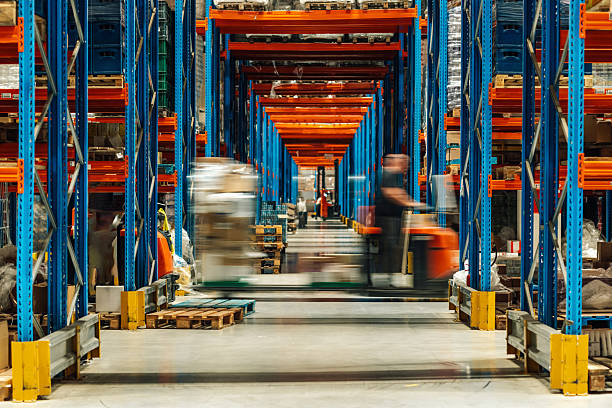
Counterfeit goods in Nigeria imports refer to fake, imitation, or unauthorized products brought into the country that are made to look like genuine branded items. These goods often enter Nigeria through international shipping routes and are cleared via major ports such as Apapa Port, Tin Can Island Port, and Lekki Deep Sea Port.
In simple terms, counterfeit goods are fake products imported to look like original ones.
Types of Counterfeit Imported Goods
1. Fake Branded Products
- Imitations of global brands (electronics, fashion, cosmetics)
- Low-quality replicas sold as originals
2. Substandard Products
- Goods that do not meet required quality standards
- Often fail safety or durability tests
3. Knock-Off Electronics
- Fake phones, chargers, batteries
- Often unsafe and low performance
4. Fake Pharmaceuticals
- Counterfeit medicines or supplements
- High health risk category
5. Misbranded Goods
- Genuine products relabeled as premium brands
- Incorrect origin or manufacturer details
How Counterfeit Goods Enter Nigeria
1. Misdeclaration at Customs
- Goods declared under wrong description
- Fake items hidden inside legitimate cargo
2. Weak Supplier Verification
- Importers dealing with unverified manufacturers
- Online sourcing without due diligence
3. Poor Inspection Control
- Lack of pre-shipment inspection
- Inadequate cargo verification before export
4. Smuggling and Illegal Import Channels
- Goods bypassing proper customs procedures
- Undocumented shipments
5. Container Mixing
- Counterfeit goods mixed with genuine cargo
- Hidden inside bulk shipments
Effects of Counterfeit Imports in Nigeria
1. Financial Loss
- Businesses lose investment in unsellable goods
- High return or rejection rates
2. Health and Safety Risks
- Fake drugs and electronics can be dangerous
- Risk of injury, poisoning, or fire hazards
3. Brand Reputation Damage
- Businesses lose customer trust
- Retailers may be blacklisted
4. Customs Seizure and Penalties
- Goods can be confiscated by authorities
- Importers may face fines or investigations
5. Market Instability
- Genuine products lose market value
- Consumer trust in imports reduces
Common Counterfeit Import Scenarios in Nigeria
- Fake electronics shipped through Apapa Port labeled as original brands
- Counterfeit perfumes mixed in cosmetic shipments
- Substandard phones imported from unverified suppliers
- Fake medicines discovered during customs inspection
- Branded clothing replicas cleared as “generic goods”
How to Identify Counterfeit Imported Goods
1. Price Too Low
- Extremely cheap compared to market value
2. Poor Packaging Quality
- Low-quality printing or branding errors
3. No Authentic Documentation
- Missing certificates or manufacturer verification
4. Supplier Red Flags
- Unverified sellers
- No factory audit or business registration
5. Inconsistent Product Details
- Mismatch in model numbers or specifications
How to Prevent Counterfeit Goods in Imports
1. Work with Verified Suppliers
- Use trusted manufacturers
- Avoid unknown online sellers
2. Pre-Shipment Inspection
- Inspect goods before they leave origin country
- Verify authenticity and quality
3. Use Authorized Distributors
- Buy directly from brand-approved suppliers
4. Request Certificates
- Authenticity certificates
- Compliance documents
- Factory verification reports
5. Strong Customs Documentation
- Proper HS codes
- Accurate product descriptions
- Transparent declarations
How to Handle Counterfeit Goods Issues
1. Stop Clearance Immediately
Do not release goods if suspicion arises.
2. Conduct Verification
- Physical inspection
- Brand authentication checks
3. Report to Authorities
- Customs Service
- Regulatory agencies
4. File Supplier Dispute
- Request refund or replacement
- Provide evidence
5. Dispose or Return Goods (If Required)
- According to customs or legal directives
Role of Insurance in Counterfeit Goods Cases
Cargo insurance typically does NOT cover:
- Fake or counterfeit goods
- Fraudulent supplier activity
- Intellectual property violations
It only covers:
- Physical loss
- Transit damage
- Theft during shipment
How Travo.ng Supports Import Logistics in Nigeria
Counterfeit risk often increases when logistics visibility is poor or suppliers are unverified.
Travo.ng supports businesses across Nigeria through:
- Cargo pickup from Apapa, Tin Can, and Lekki ports
- Nationwide transportation services
- Interstate logistics coordination
- Commercial cargo delivery
- Distribution support for businesses
- Last-mile delivery solutions
Reliable logistics improves tracking and reduces exposure to fraudulent supply chains.
Final Insight
Counterfeit goods in Nigeria imports pose serious financial, legal, and safety risks. They usually arise from unverified suppliers, poor inspection systems, or illegal trade channels. Proper verification, trusted sourcing, and strong logistics control are key to preventing them.
