


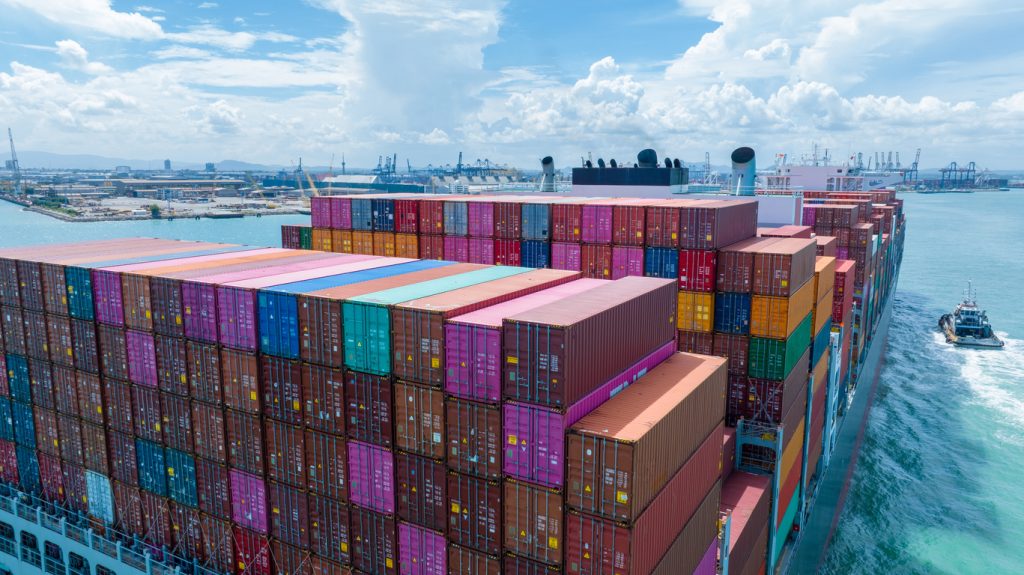
An import documentation correction in Nigeria refers to the process of fixing errors or updating information in import-related documents after they have been submitted to customs, shipping lines, or other regulatory bodies. It is commonly required in shipments passing through Apapa Port, Tin Can Island Port, and Lekki Deep Sea Port.
In simple terms, it means correcting mistakes in your import papers so your cargo can clear without delays or penalties.
What Documents Are Commonly Corrected?
Import documentation correction may involve:
- Invoice
- Packing list
- Bill of Lading (BL)
- Single Goods Declaration (SGD)
- HS code (tariff classification)
- Cargo description
- Quantity or weight details
- Consignee or shipper information
Types of Import Documentation Corrections
1. Quantity Correction
- Fixing wrong number of units or cartons
- Adjusting over or under-declared quantities
2. Description Correction
- Updating incorrect product names
- Clarifying specifications or model numbers
3. Value Correction
- Adjusting declared customs value
- Aligning invoice with actual transaction value
4. HS Code Correction
- Changing incorrect tariff classification
- Ensuring proper duty calculation
5. Consignee or Shipper Correction
- Fixing wrong importer or exporter details
- Updating company names or addresses
Major Causes of Documentation Errors in Nigeria Imports
1. Human Error
- Typing mistakes during document preparation
- Wrong data entry by clearing agents
2. Supplier Mistakes
- Incorrect invoice or packing list from origin country
- Misreported shipment details
3. Freight Forwarder Errors
- Wrong data submitted to customs system
- Misalignment between shipping documents
4. Late Shipment Changes
- Supplier modifies shipment after documents are issued
- Quantity or product changes not updated
5. Poor Communication
- Misunderstanding between importer and supplier
- Incomplete order specifications
Effects of Documentation Errors
1. Customs Delays
- Cargo may be placed on hold
- Extended inspection time
2. Penalties and Fines
- Additional charges for misdeclaration
- Administrative sanctions
3. Cargo Examination
- Physical inspection required
- Container scanning or opening
4. Increased Costs
Includes:
- Demurrage fees
- Storage charges
- Reprocessing costs
5. Supply Chain Disruption
- Delayed delivery to customers
- Business downtime
Import Documentation Correction Process in Nigeria
1. Identify the Error
Compare:
- Invoice
- Packing list
- Bill of Lading
- Customs declaration
2. Gather Supporting Documents
Include:
- Corrected invoice or packing list
- Supplier confirmation letter
- Original shipping documents
3. Submit Amendment Request
Depending on document type:
- Customs (SGD correction)
- Shipping line (BL amendment)
- Freight forwarder updates
4. Approval Review
Authorities verify:
- Accuracy of correction
- Compliance with import regulations
5. Updated Documents Issued
Corrected versions are released for clearance continuation.
Common Scenarios in Nigeria
- Container at Apapa held due to wrong HS code
- Invoice shows incorrect quantity after arrival
- Bill of Lading has wrong consignee name
- Customs detects mismatch in declared value
- Freight forwarder corrects SGD after submission
How to Prevent Documentation Errors
1. Double Verification Before Submission
Always cross-check:
- Invoice
- Packing list
- Purchase order
2. Use Experienced Clearing Agents
Professional agents reduce:
- Filing mistakes
- Customs errors
3. Pre-Shipment Inspection
Ensures actual cargo matches documents before shipping.
4. Supplier Confirmation
Confirm final shipment details before issuing documents.
5. Digital Documentation Systems
Reduce manual errors through automation.
Role of Insurance in Documentation Corrections
Cargo insurance does NOT cover:
- Documentation mistakes
- Customs delays
- Amendment costs
It only covers:
- Physical loss
- Damage
- Theft during transit
How Travo.ng Supports Import Operations in Nigeria
Documentation errors often delay cargo release and affect logistics planning.
Travo.ng supports businesses across Nigeria through:
- Cargo pickup from Apapa, Tin Can, and Lekki ports
- Nationwide transportation services
- Interstate logistics coordination
- Commercial cargo delivery
- Distribution support for businesses
- Last-mile delivery solutions
Efficient logistics coordination helps reduce delays caused by documentation corrections.
Final Insight
Import documentation correction in Nigeria is essential for fixing errors in shipping and customs paperwork to ensure smooth cargo clearance. Most issues arise from human error, supplier mistakes, or poor communication, but they can be minimized through proper verification and experienced handling.
