


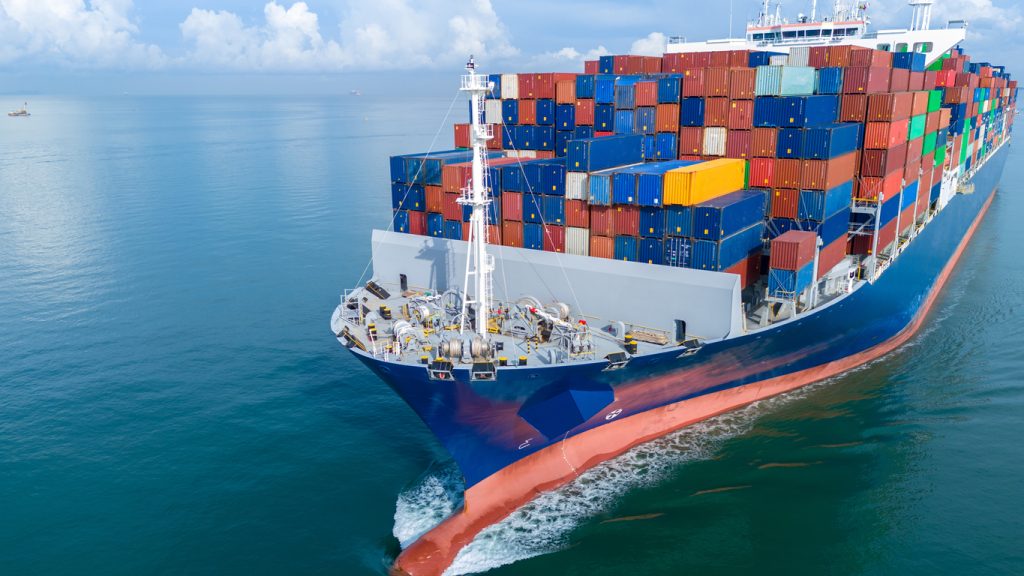
An over shipment issue in Nigeria occurs when the quantity of goods received is more than what was ordered or stated in the purchase order, invoice, or contract. It is common in both international imports (via Apapa, Tin Can, Lekki ports) and local supply chains.
In simple terms, it means you received extra goods you did not request or pay for.
Types of Over Shipment Issues
1. Supplier Over Shipment
- Supplier sends more units than ordered
- Extra cartons included in shipment
2. Documentation Mismatch Over Shipment
- Invoice shows one quantity
- Physical cargo shows higher quantity
3. Mixed Cargo Over Delivery
- Additional items included accidentally
- Wrong batch or customer order mixed in
4. System Inventory Overstatement
- Warehouse receives more than expected due to recording errors
Major Causes of Over Shipment in Nigeria
1. Supplier Packing Errors
- Miscounting during packaging
- Wrong order fulfillment
- Human error in warehouse loading
2. Production or Factory Surplus
- Extra units produced beyond order
- Included in shipment to avoid storage costs
3. Poor Order Communication
- Incorrect purchase order details
- Misunderstanding of required quantity
4. Mixed Container Loading
- Multiple orders combined incorrectly
- Cartons swapped between buyers
5. Intentional Over Shipping
In rare cases:
- Supplier sends extra goods expecting payment later
- Used as negotiation tactic
Effects of Over Shipment Issues
1. Financial Discrepancies
Businesses may face:
- Unexpected costs
- Unplanned inventory value
- Accounting mismatches
2. Customs and Documentation Issues
Over shipment can trigger:
- Customs queries
- Reassessment of declared value
- Inspection delays
3. Storage Problems
Extra goods cause:
- Warehouse congestion
- Increased storage costs
4. Inventory Management Issues
Leads to:
- Stock tracking errors
- Confusion in sales forecasting
5. Supplier-Buyer Disputes
Disagreements over:
- Whether to return goods
- Whether buyer must pay for extras
Common Over Shipment Scenarios in Nigeria
- Container arrives at Apapa with more cartons than invoice shows
- Supplier includes extra units in electronics shipment
- Warehouse discovers excess FMCG stock after clearance
- Mixed orders from China include additional goods
How to Prevent Over Shipment Issues
1. Clear Purchase Orders
Ensure:
- Exact quantity specified
- No ambiguity in order details
2. Strong Supplier Communication
Confirm:
- Final order quantity
- Production limits
3. Pre-Shipment Inspection
Verify:
- Quantity accuracy
- Packing list alignment
4. Proper Documentation Control
Match:
- Invoice
- Packing list
- Bill of lading
5. Use Trusted Suppliers
Work with:
- Verified manufacturers
- Reliable trading partners
How to Resolve Over Shipment Issues
1. Verify the Extra Quantity
Check:
- Physical count
- Documents
- Order confirmation
2. Contact Supplier Immediately
Clarify:
- Whether goods were intentional or accidental
- Payment expectations
3. Decide on Resolution
Options include:
- Return extra goods
- Pay for additional units
- Store as bonus stock
4. Update Inventory Records
Adjust warehouse and accounting systems.
5. Customs Notification (If Required)
Ensure compliance if declared quantities change.
Role of Insurance in Over Shipment
Cargo insurance does not typically cover over shipment issues because:
- No loss or damage occurred
- It is a quantity discrepancy, not a risk event
How Travo.ng Supports Cargo Handling in Nigeria
Over shipment issues often require redistribution or re-delivery of excess goods.
Travo.ng supports businesses across Nigeria through:
- Cargo pickup from Apapa, Tin Can, and Lekki ports
- Nationwide transportation services
- Interstate logistics coordination
- Commercial cargo delivery
- Distribution support for businesses
- Last-mile delivery solutions
Efficient logistics helps businesses manage excess inventory smoothly.
Final Insight
Over shipment issues in Nigeria occur when suppliers send more goods than ordered due to errors, miscommunication, or production surplus. While it may seem beneficial, it can cause accounting, storage, and customs complications if not properly managed.
