


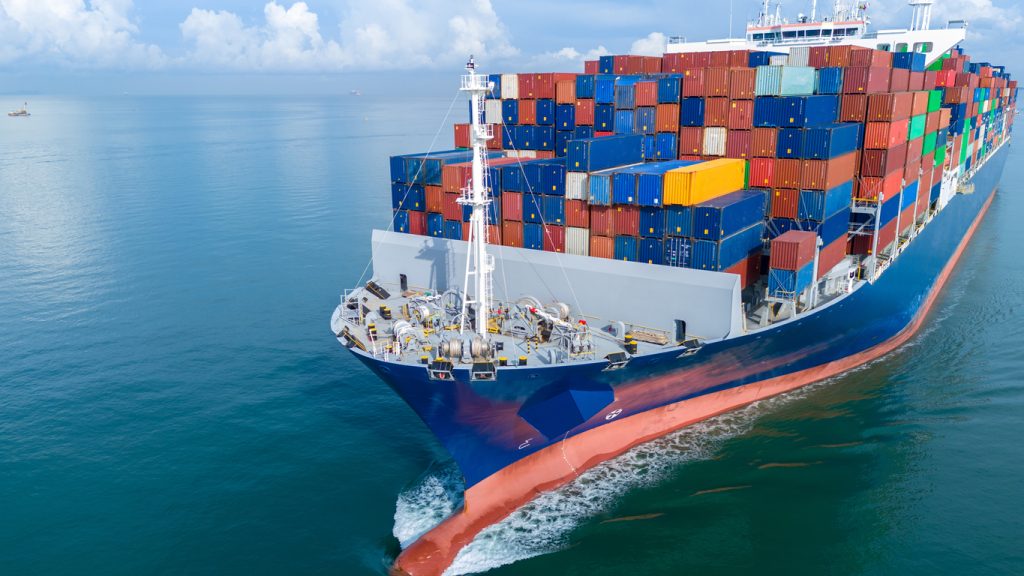
Cargo verification in Nigeria is the process of confirming that imported or locally shipped goods match the details stated in shipping documents such as the invoice, packing list, and bill of lading. It is commonly carried out during import clearance at Apapa Port, Tin Can Island Port, Lekki Port, warehouses, or before shipment from the supplier’s country.
In simple terms, cargo verification means checking that what was ordered, shipped, and documented is exactly what has physically arrived.
What Cargo Verification Involves
Cargo verification typically checks:
- Product type and description
- Quantity of goods
- Packaging condition
- Product specifications (model, size, grade)
- Seal numbers and container integrity
- Consistency with shipping documents
Types of Cargo Verification in Nigeria
1. Pre-Shipment Verification
Done before goods leave the supplier’s country.
Checks:
- Quantity accuracy
- Product quality
- Packaging compliance
2. Port Verification
Done at Nigerian ports such as Apapa or Tin Can.
Checks:
- Container condition
- Seal integrity
- Document matching
3. Warehouse Verification
Done after goods are offloaded.
Checks:
- Inventory accuracy
- Damage assessment
- Quantity confirmation
4. Customs Verification
Carried out by customs authorities to ensure:
- Correct declaration
- Proper valuation
- Compliance with import rules
Why Cargo Verification Is Important in Nigeria
1. Prevents Wrong Shipments
Ensures goods match what was ordered.
2. Reduces Financial Loss
Helps avoid paying for:
- Missing goods
- Damaged products
- Wrong specifications
3. Improves Supply Chain Accuracy
Supports smooth:
- Inventory management
- Distribution planning
- Retail operations
4. Reduces Import Disputes
Helps prevent conflicts involving:
- Suppliers
- Freight forwarders
- Shipping lines
5. Speeds Up Customs Clearance
Accurate cargo reduces inspection delays.
Common Cargo Issues Detected During Verification
- Missing cartons (short shipment)
- Wrong product or specification
- Damaged or wet cargo
- Quantity mismatch
- Seal tampering or broken seals
- Documentation errors
Who Performs Cargo Verification in Nigeria
- Importers or buyers
- Freight forwarders
- Customs agents
- Third-party inspection companies
- Logistics companies
- Port authorities
Cargo Verification Process in Nigeria
1. Document Review
Compare:
- Invoice
- Packing list
- Bill of lading
2. Physical Inspection
Check:
- Cargo condition
- Packaging integrity
- Product accuracy
3. Quantity Counting
Verify:
- Cartons
- Pallets
- Units
4. Seal Inspection
Ensure:
- Container seal matches documentation
- No signs of tampering
5. Report Generation
Prepare a verification report for:
- Customs clearance
- Supplier claims
- Insurance claims
Common Challenges in Cargo Verification in Nigeria
1. Port Congestion
Delays inspection processes at major ports.
2. Incomplete Documentation
Missing or incorrect documents slow verification.
3. Poor Access to Cargo
Containers may not be easily released for inspection.
4. High Logistics Costs
Inspection and handling fees can be expensive.
5. Security Risks
Cargo may be exposed during inspection or movement.
How to Prevent Cargo Issues Through Verification
1. Always Do Pre-Shipment Inspection
Before cargo leaves origin country.
2. Use Trusted Inspection Agents
Hire third-party professionals for unbiased checks.
3. Maintain Proper Documentation
Ensure all documents match exactly.
4. Use Seal Tracking
Record and verify container seal numbers.
5. Work with Reliable Logistics Providers
Experienced providers reduce handling errors.
Role of Insurance in Cargo Verification
Cargo insurance is not a verification tool but may support claims if issues are discovered, such as:
- Damage
- Theft
- Loss during transit
However, insurance does not replace proper verification processes.
How Travo.ng Supports Cargo Verification in Nigeria
Cargo verification becomes more effective when supported by reliable logistics and handling systems.
Travo.ng supports businesses across Nigeria through:
- Cargo pickup from Apapa, Tin Can, and Lekki ports
- Nationwide transportation services
- Interstate logistics coordination
- Commercial cargo delivery
- Distribution support for businesses
- Last-mile delivery solutions
Efficient logistics reduces errors and improves cargo accuracy across the supply chain.
Final Insight
Cargo verification in Nigeria is a critical step in import and logistics operations that ensures goods match what was ordered and documented. It helps prevent financial loss, disputes, and delays. Proper inspection systems, trusted partners, and accurate documentation are key to a smooth supply chain.
