


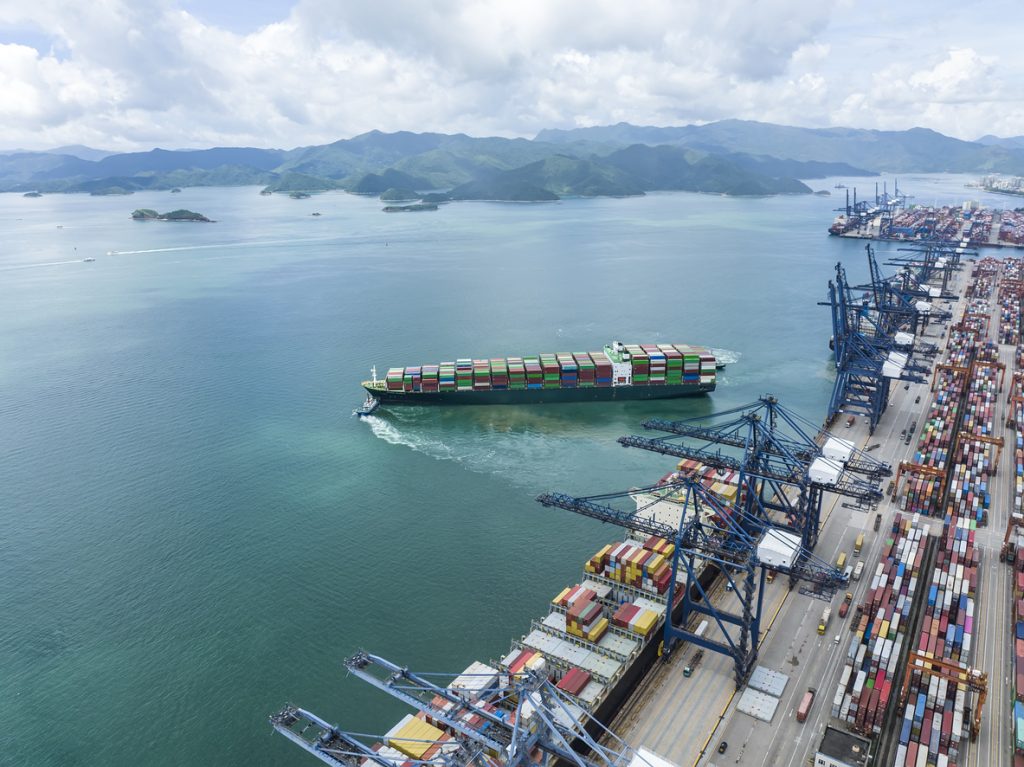
Port strike solutions in Nigeria refer to the strategies, policies, and operational actions used to prevent, manage, or minimize the impact of strikes at ports such as Apapa, Tin Can Island, and Lekki Port. These strikes may involve dockworkers, customs-related staff, truck drivers, or terminal operators.
In simple terms, it means ways to keep cargo moving even when port workers stop working.
Common Types of Port Strikes in Nigeria
- Dockworker strikes (cargo handling shutdown)
- Truck driver strikes (evacuation stoppage)
- Labour union strikes (wage or policy disputes)
- Terminal operator disputes
- Customs-related industrial actions
Effective Port Strike Solutions in Nigeria
1. Early Negotiation and Collective Bargaining
The most effective solution is resolving issues before escalation through:
- Union-management dialogue
- Government mediation
- Periodic wage reviews
- Improved working conditions
2. Strong Labour Relations Framework
To prevent strikes:
- Clear employment contracts
- Fair wage structures
- Transparent dispute resolution systems
- Regular stakeholder meetings
3. Government Intervention and Policy Action
Government can reduce strike frequency by:
- Fast-tracking labour dispute resolution
- Enforcing port labour laws
- Supporting port modernization policies
- Ensuring fair regulation of terminal operators
4. Automation and Digital Port Systems
Reducing human dependency helps minimize strike impact:
- Electronic cargo clearance systems
- Automated terminal operations
- Digital truck call-up systems
- E-document processing
5. Diversification of Ports
Reducing pressure on Lagos ports by using:
- Lekki Deep Sea Port
- Onne Port
- Warri Port
This spreads cargo volume and reduces strike impact concentration.
6. Improved Workforce Welfare
Strikes often come from dissatisfaction, so solutions include:
- Better salaries and allowances
- Health and safety improvements
- Training and skill development
- Job security measures
7. Use of Off-Dock and Inland Logistics Facilities
To reduce dependence on port operations:
- Inland container depots
- Bonded warehouses
- Dry ports for faster evacuation
8. Emergency Logistics Contingency Planning
Businesses should prepare for strikes by:
- Pre-clearing cargo before arrival
- Booking alternative transport in advance
- Maintaining buffer inventory
- Using multiple freight forwarders
9. Stakeholder Coordination Systems
Better coordination between:
- Nigerian Ports Authority (NPA)
- Customs
- Terminal operators
- Transport unions
reduces misunderstandings that lead to strikes.
Effects of Poor Strike Management
If strikes are not well managed:
- Cargo backlog increases
- Vessel delays worsen
- Demurrage charges rise
- Supply chains break down
- Import costs increase
Role of Technology in Preventing Strike Disruption
Technology helps reduce reliance on manual labor:
- Real-time cargo tracking
- Automated scheduling systems
- Digital payment and clearance systems
- Port performance monitoring tools
How Businesses Can Protect Themselves
1. Plan Imports Early
Avoid peak risk periods.
2. Use Reliable Freight Forwarders
They anticipate disruptions.
3. Diversify Supply Routes
Avoid over-reliance on one port or terminal.
4. Maintain Safety Stock
Helps absorb delays from strikes.
5. Stay Updated on Port News
Early awareness helps adjust logistics plans.
Role of Insurance in Strike Situations
Cargo insurance may cover:
- Physical damage during extended delays
- Contamination risks
- Transit-related losses
However, strike delays and demurrage charges are usually not covered, unless a special policy is added.
How Travo.ng Supports Businesses During Port Disruptions
Even when strikes disrupt port operations, efficient inland logistics becomes critical once cargo is released.
This is where Travo.ng supports businesses across Nigeria.
Travo.ng provides:
- Cargo pickup from Apapa, Tin Can, and Lekki ports
- Nationwide transportation services
- Interstate logistics coordination
- Commercial cargo delivery
- Distribution support for businesses
- Last-mile delivery solutions
Reliable logistics execution helps businesses recover faster after port strikes.
Final Insight
Port strike solutions in Nigeria require a mix of labour negotiation, government intervention, technology adoption, and logistics diversification. The most effective approach is preventing disputes early while also building strong contingency plans for uninterrupted cargo movement.
