


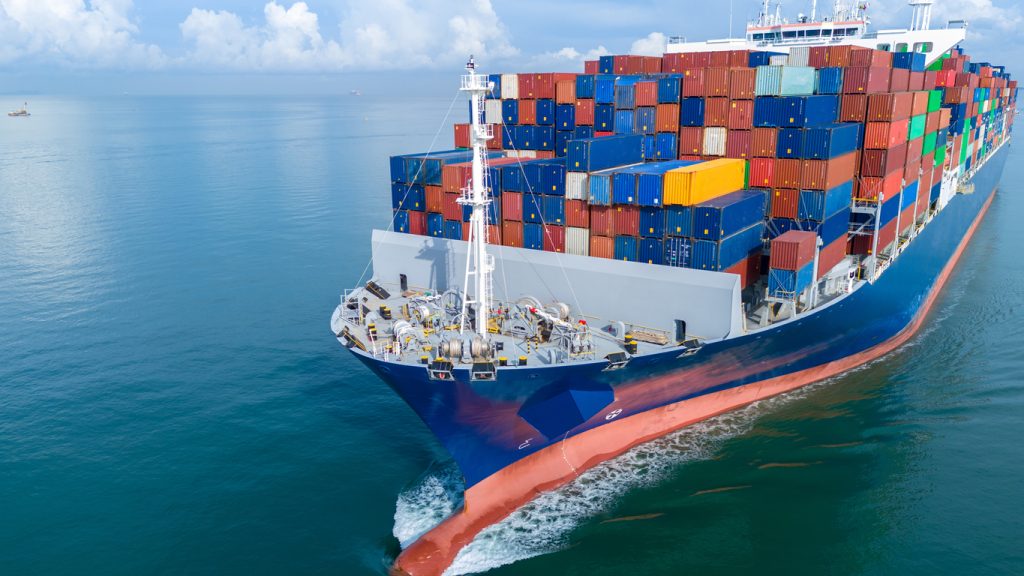
A dockworker strike in Nigeria refers to a situation where port workers (such as stevedores, cargo handlers, crane operators, and terminal staff) stop working to protest issues like wages, working conditions, policies, or contract disputes. This action disrupts cargo operations at ports like Apapa, Tin Can Island, and Lekki Port.
In simple terms, it means port workers stop working, and cargo movement at the port slows down or stops completely.
Who Are Dockworkers?
Dockworkers are essential port labor involved in:
- Loading and unloading ships
- Handling containers
- Operating cranes and equipment
- Securing cargo
- Yard movement operations
They are critical to daily port operations.
Main Causes of Dockworker Strikes in Nigeria
1. Wage and Salary Disputes
Workers may demand:
- Higher pay
- Salary arrears payment
- Better wage structure
2. Poor Working Conditions
Issues include:
- Unsafe working environment
- Lack of protective equipment
- Long working hours
3. Contract and Employment Issues
Conflicts may arise from:
- Outsourcing of port labor
- Job insecurity
- Disputes with terminal operators
4. Government or Policy Decisions
Strikes may be triggered by:
- Changes in port regulations
- Labour policy reforms
- Privatization or restructuring
5. Union Actions
Dockworkers are often represented by unions that may:
- Call for strike action
- Negotiate collective agreements
- Protest unresolved issues
Effects of Dockworker Strikes in Nigeria
1. Port Operation Shutdown
Cargo handling slows or stops completely.
2. Vessel Delays
Ships may:
- Wait offshore
- Miss scheduled berthing
- Accumulate anchorage congestion
3. Cargo Clearance Delays
Goods remain stuck in terminals longer than expected.
4. Increased Logistics Costs
Importers face:
- Demurrage charges
- Storage fees
- Trucking delays
5. Supply Chain Disruption
Affects:
- Manufacturing inputs
- Retail inventory
- Import-dependent businesses
6. Economic Loss
Impacts:
- Trade flow
- Port revenue
- Business operations nationwide
How Dockworker Strikes Affect Importers
Importers experience:
- Delayed cargo release
- Increased cost per shipment
- Unpredictable delivery timelines
- Risk of cargo deterioration
Common Ports Affected in Nigeria
- Apapa Port
- Tin Can Island Port
- Lekki Deep Sea Port (less frequent but possible)
- Onne Port
How Dockworker Strikes Are Resolved
1. Negotiation and Mediation
Between:
- Labour unions
- Terminal operators
- Government agencies
2. Salary and Welfare Agreements
Resolutions often include:
- Pay increases
- Improved benefits
- Better working conditions
3. Policy Adjustments
Government may revise:
- Labour laws
- Port management policies
4. Intervention by Authorities
Such as:
- Ministry of Labour
- Nigerian Ports Authority
How Businesses Can Reduce Strike Impact
1. Diversify Port Usage
Avoid reliance on a single port.
2. Early Cargo Clearance
Clear goods as soon as they arrive.
3. Use Reliable Freight Forwarders
They help anticipate disruptions.
4. Monitor Port News
Stay informed about labour disputes.
5. Use Bonded Warehouses
Move cargo quickly out of congested terminals.
Cargo Risks During Dockworker Strikes
- Extended storage damage
- Moisture or heat exposure
- Container theft risk
- Increased demurrage charges
- Delivery delays
Role of Insurance in Strike Situations
Cargo insurance may cover:
- Physical damage during delay exposure
- Transit-related losses
- Contamination risks (depending on policy)
However, delay costs like demurrage are usually not covered unless explicitly included.
How Travo.ng Supports Businesses After Clearance
While dockworker strikes affect port operations, efficient inland logistics helps reduce overall supply chain disruption once cargo is released.
This is where Travo.ng supports businesses across Nigeria.
Travo.ng provides:
- Cargo pickup from Apapa, Tin Can, and Lekki ports
- Nationwide transportation services
- Interstate logistics coordination
- Commercial cargo delivery
- Distribution support for businesses
- Last-mile delivery solutions
Reliable inland movement helps businesses recover faster after port disruptions.
Final Insight
Dockworker strikes in Nigeria significantly disrupt port operations, causing vessel delays, cargo backlogs, and increased logistics costs. These strikes are usually driven by labour disputes and working conditions, and their impact can be reduced through better planning, alternative ports, and efficient logistics strategies.
