


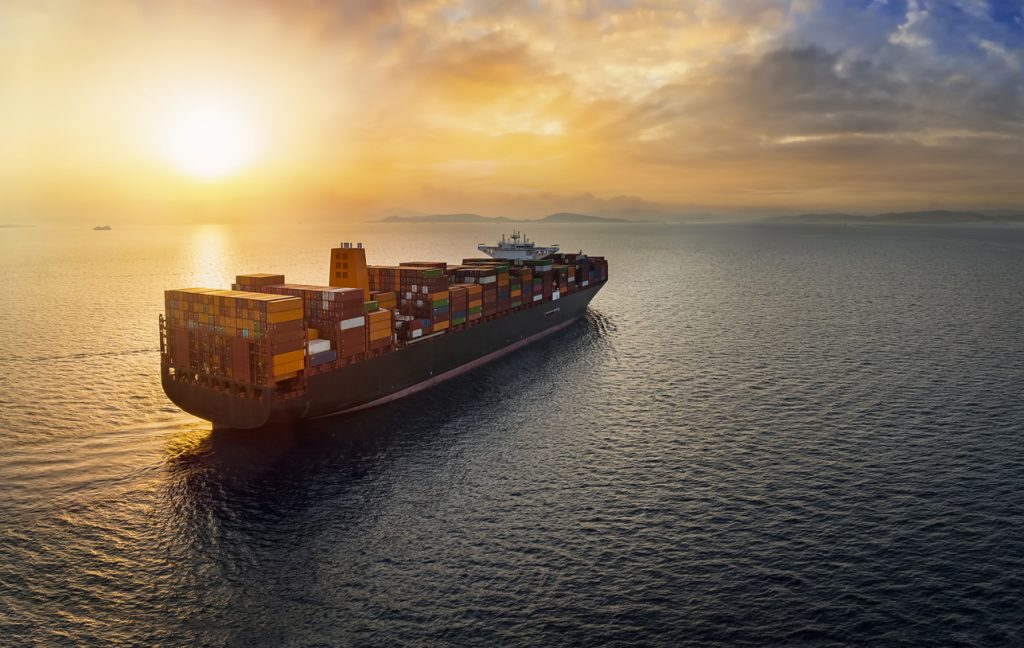
Cargo delay at Lagos ports refers to situations where imported goods remain at Apapa Port or Tin Can Island Port longer than expected due to clearance bottlenecks, congestion, documentation issues, or operational inefficiencies. This results in late delivery to importers, warehouses, or end users.
In simple terms, it means your goods have arrived in Lagos but cannot leave the port on time.
Common Causes of Cargo Delay at Lagos Ports
1. Port Congestion
Heavy traffic at:
- Apapa Port
- Tin Can Island Port
leads to slow container movement and truck delays.
2. Customs Clearance Delays
Delays occur due to:
- Physical inspection requirements
- Document verification issues
- HS code classification disputes
- Risk profiling of cargo
3. Incomplete Documentation
Missing or incorrect documents such as:
- Bill of lading
- Form M
- SON/NAFDAC permits
- Packing list or invoice errors
4. Terminal Operational Delays
Caused by:
- Slow container handling
- Equipment breakdown
- Yard congestion
5. Trucking and Haulage Issues
Even after clearance:
- Lack of available trucks
- High transport demand
- Electronic call-up scheduling delays
6. Regulatory Hold or Examination
Cargo may be placed on hold for:
- SONCAP compliance checks
- NAFDAC inspection
- Customs valuation review
7. Port Infrastructure Limitations
Limited space and aging infrastructure contribute to backlog.
Effects of Cargo Delay at Lagos Ports
1. Increased Costs
Importers face:
- Demurrage charges (container storage fees)
- Storage fees at terminals
- Extra freight costs
2. Supply Chain Disruption
Delays affect:
- Product availability
- Manufacturing timelines
- Retail stock levels
3. Cargo Quality Risks
Long storage can lead to:
- Moisture damage
- Odor contamination
- Heat-related spoilage
4. Business Losses
Includes:
- Missed sales opportunities
- Contract delays
- Reduced competitiveness
5. Operational Uncertainty
Hard to plan logistics and inventory accurately.
Major Challenges Behind Lagos Port Delays
1. High Import Volume
Apapa and Tin Can handle a large share of Nigeria’s imports.
2. Poor Coordination
Between:
- Shipping lines
- Customs
- Terminal operators
- Transport providers
3. Road Congestion
Access roads often block container evacuation.
4. Inefficient Clearance Processes
Manual procedures can slow down approvals.
5. Limited Storage Capacity
Yards become overcrowded quickly.
How to Reduce Cargo Delays at Lagos Ports
1. Complete Documentation Early
Ensure all documents are accurate before shipment arrives.
2. Pre-Clear Cargo
Start clearance processes before vessel arrival where possible.
3. Use Experienced Freight Forwarders
They help avoid common regulatory delays.
4. Choose Fast-Processing Channels
Proper risk classification reduces inspection delays.
5. Schedule Trucks in Advance
Use electronic call-up systems early.
6. Avoid Peak Congestion Periods
Plan imports outside high-volume seasons.
Cargo Risks During Port Delay
- Container deterioration
- Moisture or heat damage
- Theft or pilferage risk
- Odor or chemical contamination
- Increased demurrage charges
Role of Insurance in Cargo Delay Situations
Cargo insurance may cover:
- Physical damage during storage delay
- Contamination caused by exposure
- Transit-related losses
However, delay penalties (like demurrage) are usually not covered unless specifically included.
How Travo.ng Supports Businesses After Clearance
While cargo delays happen at Lagos ports, efficient inland logistics helps reduce total supply chain disruption after release.
This is where Travo.ng supports businesses across Nigeria.
Travo.ng provides:
- Cargo pickup from Apapa and Tin Can ports
- Nationwide transportation services
- Interstate logistics coordination
- Commercial cargo delivery
- Distribution support for businesses
- Last-mile delivery solutions
Reliable inland logistics helps businesses recover quickly after port delays.
Final Insight
Cargo delays at Lagos ports are mainly caused by congestion, documentation issues, customs procedures, and infrastructure limits. These delays increase costs and disrupt supply chains, but proper planning, documentation, and logistics coordination can significantly reduce their impact.
