


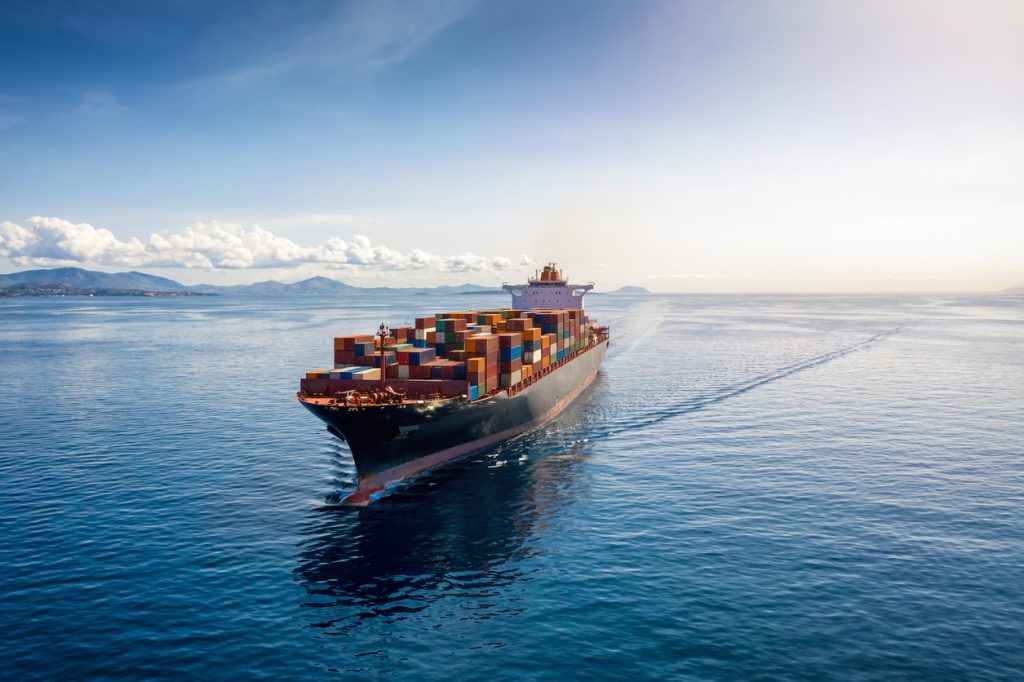
Vessel delay in Nigeria refers to situations where cargo ships (vessels) arrive late, wait offshore, or are unable to berth at scheduled time due to operational, weather, or port-related constraints. These delays affect cargo delivery timelines, shipping costs, and supply chain planning.
In simple terms, it means a ship carrying goods does not arrive or unload on time.
Types of Vessel Delays
1. Port Congestion Delay
Vessels wait offshore because ports are full, especially at:
- Apapa Port
- Tin Can Island Port
- Lagos anchorage
2. Berthing Delay
Occurs when:
- No available berth space
- Terminal operations are slow
- Previous vessel has not completed unloading
3. Customs or Clearance Delay
Vessel cannot discharge cargo due to:
- Documentation issues
- Inspection requirements
- Regulatory holds
4. Weather-Related Delay
Caused by:
- Heavy rain
- Rough sea conditions
- Poor visibility
5. Operational Delay
Includes:
- Equipment breakdown
- Labour shortages
- Slow cargo handling
6. Documentation Delay
Missing or incorrect shipping documents can prevent unloading.
Common Causes of Vessel Delay in Nigeria
1. Port Congestion
High vessel traffic leads to:
- Waiting at anchorage
- Delayed berth allocation
2. Inefficient Port Operations
Slow handling of:
- Containers
- Cargo discharge
- Yard movement
3. Poor Scheduling Coordination
Mismatch between:
- Shipping lines
- Terminal operators
- Customs procedures
4. Infrastructure Limitations
Includes:
- Limited berths
- Outdated equipment
- Insufficient storage space
5. Regulatory Bottlenecks
Inspection and clearance processes may slow operations.
6. High Import Volume
Nigeria’s import demand increases pressure on ports and vessels.
Effects of Vessel Delay
1. Increased Shipping Costs
Delays lead to:
- Higher freight charges
- Demurrage fees
- Extra fuel costs
2. Supply Chain Disruption
Affects:
- Manufacturing schedules
- Retail stock availability
- Import planning
3. Cargo Exposure Risks
Delayed vessels increase risk of:
- Container deterioration
- Moisture damage
- Temperature-sensitive spoilage
4. Business Uncertainty
Importers struggle with:
- Unpredictable delivery timelines
- Inventory planning issues
5. Port Backlog
Delayed vessels contribute to congestion at anchorage and terminals.
Vessel Delay Charges in Nigeria
Importers may face:
- Demurrage (container storage fees)
- Detention charges (container use beyond allowed time)
- Port storage fees
- Extended freight costs
How Vessel Delays Are Managed
1. Port Scheduling Systems
Improved berth allocation systems reduce waiting time.
2. Electronic Documentation
Faster processing of shipping documents.
3. Improved Port Infrastructure
More berths and equipment reduce backlog.
4. Vessel Tracking Systems
Helps importers monitor arrival schedules.
5. Diversion to Alternative Ports
Using:
- Lekki Deep Sea Port
- Warri Port
- Onne Port
How Businesses Can Reduce Vessel Delay Impact
1. Plan Shipments Early
Avoid peak import periods.
2. Use Reliable Shipping Lines
Experienced carriers have better scheduling control.
3. Pre-Clear Documentation
Reduces delays after vessel arrival.
4. Monitor Vessel Tracking
Stay updated on arrival changes.
5. Use Efficient Freight Forwarders
They help manage delay risks and clearance.
Cargo Risks During Vessel Delay
- Heat exposure
- Moisture damage
- Container contamination
- Theft risk at anchorage
- Increased costs
Role of Insurance in Vessel Delay Situations
Cargo insurance may cover:
- Physical damage during transit delays
- Contamination due to extended exposure
- Loss from insured risks
However, pure delay costs are often excluded unless specifically covered.
How Travo.ng Supports Businesses After Clearance
While vessel delays occur before cargo reaches port, efficient inland logistics help reduce total supply chain disruption after arrival.
This is where Travo.ng supports businesses across Nigeria.
Travo.ng provides:
- Cargo pickup from Apapa, Tin Can, and Lekki ports
- Nationwide transportation services
- Interstate logistics coordination
- Commercial cargo delivery
- Distribution support for businesses
- Last-mile delivery solutions
Reliable inland logistics help reduce the overall impact of shipping delays.
Final Insight
Vessel delay in Nigeria is mainly caused by port congestion, operational inefficiencies, and high cargo volumes. It increases shipping costs, disrupts supply chains, and delays cargo delivery. Improved port systems, better scheduling, and alternative ports are key to reducing its impact.
