


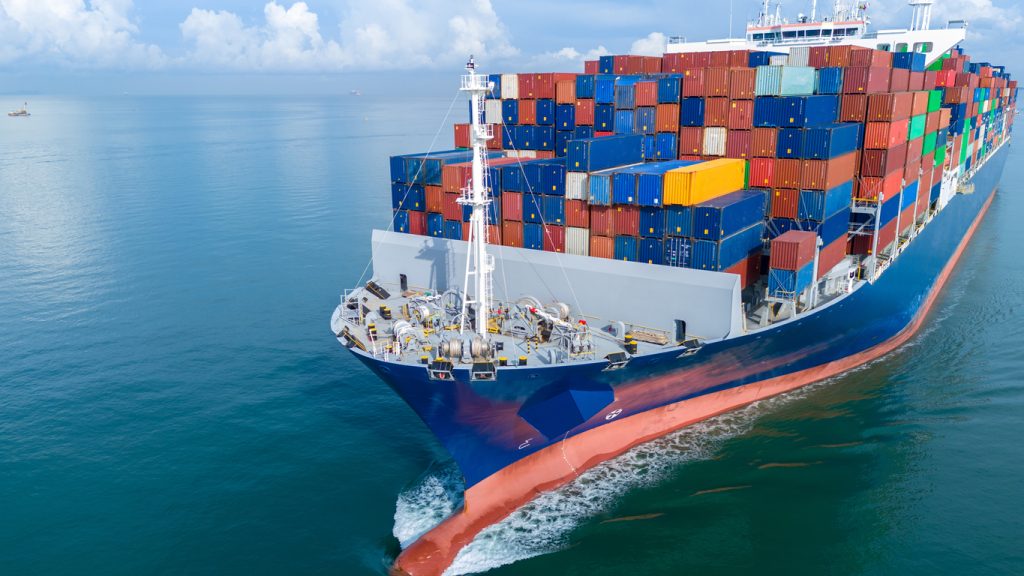
Damaged imported goods in Nigeria refers to foreign goods that arrive in poor or unusable condition due to issues that occur during shipping, handling, storage, or customs processes. These damages can affect product quality, quantity, or usability and often lead to financial loss, insurance claims, or disputes.
In simple terms, it means goods you imported arrived broken, spoiled, or unusable.
Common Causes of Damaged Imported Goods in Nigeria
1. Water Damage During Transit
Goods may be affected by:
- Container leaks
- Rain exposure at ports
- Sea water seepage
- Condensation inside containers
2. Poor Handling at Ports
Damage can occur during:
- Offloading from vessels
- Crane or forklift operations
- Terminal stacking
3. Container Damage
Defective containers may cause:
- Structural failure
- Broken seals
- Roof or wall leaks
4. Inland Transportation Issues
Goods may be damaged by:
- Truck accidents
- Rough road conditions
- Improper securing of cargo
5. Theft or Pilferage
Some goods may arrive:
- Missing
- Tampered
- Partially stolen
6. Improper Packaging
Weak packaging can lead to:
- Crushing
- Leakage
- Product contamination
7. Customs and Inspection Delays
Long inspection periods may expose cargo to:
- Weather conditions
- Improper storage
- Handling stress
Types of Damage to Imported Goods
1. Physical Damage
- Broken items
- Crushed cartons
- Torn packaging
2. Water Damage
- Wet products
- Mold growth
- Packaging deterioration
3. Contamination Damage
- Chemical exposure
- Odor absorption
- Food spoilage
4. Shortage Damage
- Missing units
- Incomplete delivery
Impact of Damaged Imported Goods on Businesses
1. Financial Loss
Goods may become unsellable or lose market value.
2. Delayed Sales and Distribution
Inventory shortages affect business operations.
3. Customer Dissatisfaction
Poor product quality affects reputation.
4. Increased Operational Costs
Additional costs for:
- Repackaging
- Replacement
- Disposal
5. Supply Chain Disruption
Delays in restocking affect business continuity.
What to Do When Goods Arrive Damaged
1. Inspect Immediately
Check goods upon arrival before full acceptance.
2. Document Everything
Collect:
- Photos
- Videos
- Delivery reports
- Packaging condition
3. Notify Relevant Parties
Inform:
- Shipping line
- Freight forwarder
- Insurance company
4. Arrange Cargo Survey
A professional surveyor may assess:
- Cause of damage
- Extent of loss
- Value of goods affected
5. File Insurance Claim
Submit required documents for compensation.
Documents Needed for Claims
- Bill of lading
- Commercial invoice
- Packing list
- Insurance certificate
- Delivery note
- Survey report
- Evidence of damage
Can Damaged Imported Goods Be Recovered?
Depending on severity:
1. Salvageable Goods
- Can be repackaged or repaired
- Partial resale possible
2. Insurance Compensation
If covered, importer may receive:
- Full compensation
- Partial settlement
3. Write-Off
Severely damaged goods may be discarded.
How to Prevent Damage to Imported Goods
1. Strong Packaging
Use:
- Waterproof wrapping
- Shock-resistant materials
2. Proper Container Inspection
Check for:
- Leaks
- Rust
- Structural damage
3. Use Desiccants
Helps control moisture inside containers.
4. Proper Loading Techniques
Avoid:
- Overstacking
- Poor weight distribution
5. Work With Reliable Logistics Providers
Experienced handlers reduce risk of damage.
6. Purchase Cargo Insurance
Protects against financial loss.
How Travo.ng Supports Businesses After Clearance
While damage often occurs during international shipping, proper logistics after clearance is essential to avoid further losses.
This is where Travo.ng supports businesses across Nigeria.
Travo.ng provides:
- Cargo pickup from ports and airports
- Nationwide transportation services
- Interstate logistics coordination
- Commercial cargo delivery
- Distribution support for businesses
- Last-mile delivery solutions
Careful handling during inland logistics helps reduce additional damage risks.
Final Insight
Damaged imported goods in Nigeria can result from water exposure, poor handling, container defects, or transportation issues. These losses can significantly affect business profitability, but proper inspection, documentation, insurance coverage, and professional logistics management help reduce risks and improve recovery chances.
