


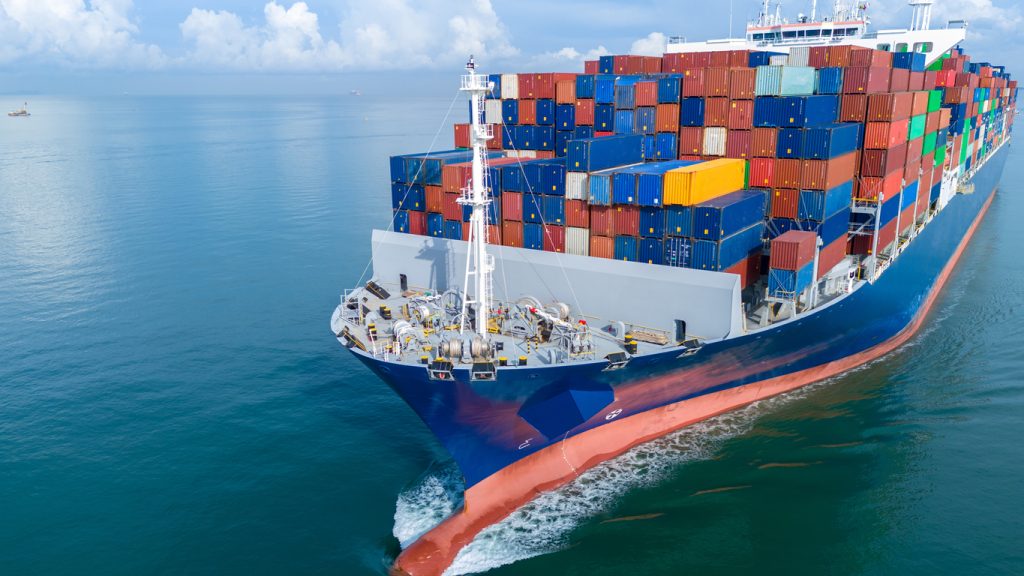
Water damaged cargo in Nigeria refers to imported or exported goods that have been affected by water exposure during shipping, storage, or handling. This damage can occur in containers, warehouses, ports, or during inland transport, and it often reduces the value or usability of the goods.
In simple terms, it is cargo that gets spoiled or weakened because it got wet during logistics operations.
Common Causes of Water Damaged Cargo in Nigeria
1. Container Leakage
- Holes or cracks in containers
- Poor sealing of doors
- Worn-out rubber linings
2. Rain Exposure at Ports
Cargo can be exposed during:
- Loading and unloading
- Customs inspection delays
- Terminal storage in open yards
3. Flooding at Port Areas
Heavy rainfall in locations like Lagos can cause:
- Yard flooding
- Container immersion
- Moisture seepage
4. Condensation Inside Containers
Known as “container rain”:
- Temperature changes create moisture
- Water droplets form inside container walls
5. Improper Storage
- Goods stored in non-waterproof warehouses
- Poor pallet elevation
- Lack of protective covering
6. Inland Transport Exposure
- Truck tarpaulin leakage
- Rain during road movement
- Poorly sealed cargo trucks
Types of Water Damage to Cargo
1. Minor Moisture Damage
- Damp packaging
- Slight product degradation
2. Moderate Damage
- Weakened cartons
- Label destruction
- Partial spoilage
3. Severe Damage
- Completely ruined goods
- Liquid contamination
- Mold growth
Goods Commonly Affected in Nigeria
- Electronics
- Textiles and fabrics
- Paper products
- Food items
- Pharmaceuticals
- Packaging materials
Impact of Water Damaged Cargo on Importers
1. Financial Loss
Goods may become unsellable or reduced in value.
2. Insurance Claims
Importers may need to file marine insurance claims.
3. Delays in Clearance or Delivery
Damaged goods may require inspection.
4. Customer Loss
Poor-quality delivery affects business reputation.
5. Increased Logistics Costs
Repacking, drying, or replacement adds extra cost.
Water Damaged Cargo Claim Process in Nigeria
1. Immediate Inspection
Check cargo upon arrival or unloading.
2. Document the Damage
Take:
- Photos
- Videos
- Written reports
3. Notify Relevant Parties
Inform:
- Shipping line
- Freight forwarder
- Insurance company
4. Submit Claim
Provide:
- Bill of lading
- Insurance policy
- Damage evidence
- Invoice and packing list
5. Assessment and Verification
Surveyors may inspect the cargo to confirm extent of damage.
6. Settlement
Possible outcomes:
- Insurance compensation
- Partial refund
- Claim rejection (if negligence is proven)
How to Prevent Water Damaged Cargo in Nigeria
1. Use Waterproof Packaging
- Plastic wrapping
- Moisture-resistant cartons
2. Inspect Containers Before Loading
Check for:
- Holes
- Rust
- Seal integrity
3. Use Desiccants
Moisture-absorbing materials inside containers.
4. Proper Palletization
Keep cargo elevated from container floor.
5. Avoid Port Delays
Reduce exposure time in open yards.
6. Choose Reliable Logistics Providers
Proper handling reduces exposure risk.
Role of Insurance in Water Damage Cases
Marine insurance may cover:
- Cargo replacement
- Repair or repackaging
- Partial value loss
But coverage depends on:
- Policy type
- Cause of damage
- Evidence provided
How Travo.ng Supports Businesses After Clearance
While water damage usually happens during shipping and handling, proper logistics after clearance helps reduce further risk.
This is where Travo.ng supports businesses across Nigeria.
Travo.ng provides:
- Cargo pickup from ports and airports
- Nationwide transportation services
- Interstate logistics coordination
- Commercial cargo delivery
- Distribution support for businesses
- Last-mile delivery solutions
Careful handling and efficient transport reduce additional exposure to damage and improve supply chain reliability.
Final Insight
Water damaged cargo in Nigeria is a common logistics issue caused by leakage, rain exposure, condensation, and poor handling. It can lead to major financial losses, but proper packaging, inspection, and insurance coverage significantly reduce risk and improve recovery chances.
