


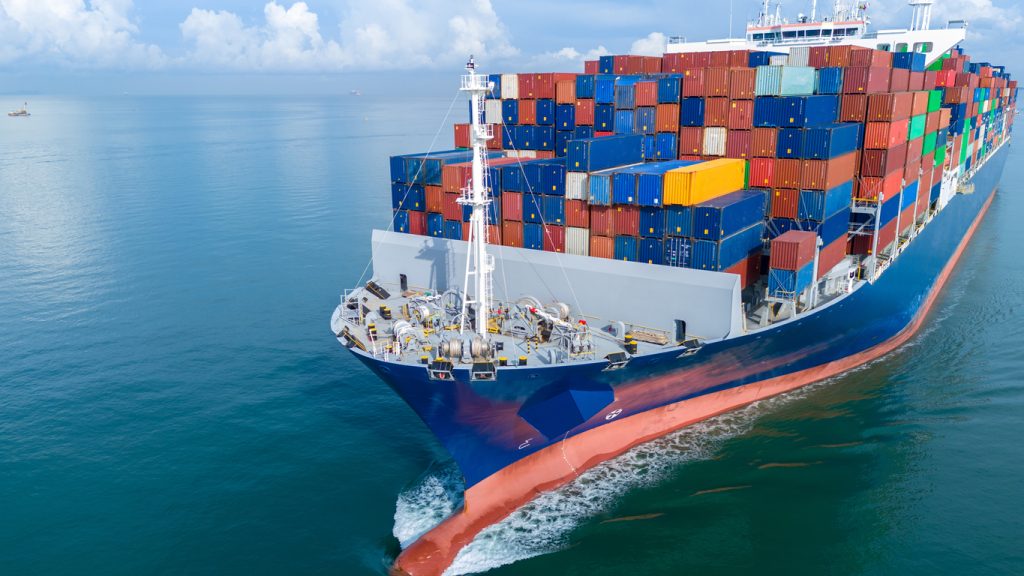
Container equipment charge dispute in Nigeria refers to disagreements between importers, freight forwarders, and shipping lines over fees related to the use of shipping containers and related equipment. These disputes arise when importers are billed for equipment-related services they believe are incorrect, excessive, or not previously agreed.
In simple terms, it is when you challenge charges for using or handling shipping containers and related equipment.
What Are Container Equipment Charges?
Container equipment charges are fees linked to the use, movement, and management of shipping containers. They may include:
- Container hire or usage fees
- Detention charges (late return of container)
- Demurrage (late pickup from port)
- Container repositioning fees
- Equipment imbalance surcharge
- Handling equipment charges (cranes, forklifts, etc.)
- Depot storage charges
Common Causes of Equipment Charge Disputes in Nigeria
1. Late Return Charges (Detention Issues)
Disputes occur when:
- Free container days are miscalculated
- Return time is wrongly recorded
2. Demurrage Disputes
Importers may be charged for port delays caused by:
- Customs clearance delays
- Inspection holds
- Port congestion
3. Incorrect Billing Period
Errors in:
- Start/end dates for container usage
- Free time calculation
4. Equipment Repositioning Fees
Charges for moving empty containers may be disputed if not agreed.
5. Port Delay Responsibility Confusion
Disputes over whether delays were caused by:
- Shipping line
- Port authority
- Importer or agent
6. Lack of Clear Contract Terms
Unclear agreements on:
- Free days
- Return conditions
- Equipment usage rules
7. Exchange Rate Adjustments
Some equipment-related fees are affected by CAF and FX changes.
Impact of Equipment Charge Disputes
1. Increased Import Costs
Unexpected fees increase total landed cost.
2. Cargo Release Delays
Shipping lines may hold cargo until payment is resolved.
3. Cash Flow Pressure
Funds are tied up in disputed invoices.
4. Operational Disruptions
Affects inventory and delivery schedules.
5. Increased Demurrage and Storage Fees
Delays may compound additional charges.
How to Resolve Container Equipment Charge Disputes in Nigeria
1. Review Shipping Documentation
Check:
- Bill of lading
- Invoice
- Booking confirmation
- Equipment usage terms
2. Verify Free Days Allocation
Confirm agreed free time for container usage.
3. Request Detailed Breakdown
Ask for full explanation of:
- Detention charges
- Demurrage charges
- Equipment fees
4. Provide Evidence
Include:
- Delivery receipts
- Timestamp records
- Email agreements
5. Engage Freight Forwarder
Experienced agents can negotiate reductions or corrections.
6. Escalate to Carrier Management
Submit formal complaint to shipping line customer service.
How to Prevent Equipment Charge Disputes
1. Agree on Free Time Terms
Ensure clarity on:
- Port free days
- Container return period
2. Track Container Movement Properly
Use accurate records for pickup and return.
3. Avoid Clearance Delays
Faster customs clearance reduces detention risks.
4. Use Reliable Logistics Providers
Experienced handlers reduce delays and errors.
5. Understand All-Inclusive Contracts
Clarify whether equipment charges are included upfront.
Role of Compliance in Reducing Disputes
Proper compliance helps reduce:
- Miscalculated detention periods
- Documentation errors
- Cargo misclassification
- Clearance delays
Better compliance = fewer penalties and lower equipment charges.
How Travo.ng Supports Businesses After Clearance
While equipment charge disputes occur during shipping and container use, logistics after clearance also affects total import cost efficiency.
This is where Travo.ng supports businesses across Nigeria.
Travo.ng provides:
- Cargo pickup from ports and airports
- Nationwide transportation services
- Interstate logistics coordination
- Commercial cargo delivery
- Distribution support for businesses
- Last-mile delivery solutions
Efficient post-clearance logistics helps reduce delays and container-related penalties.
Final Insight
Container equipment charge disputes in Nigeria arise due to detention, demurrage, billing errors, and unclear contract terms. These disputes can significantly increase import costs and delay cargo release, but proper documentation, tracking, and experienced freight management can help prevent and resolve them effectively.
