


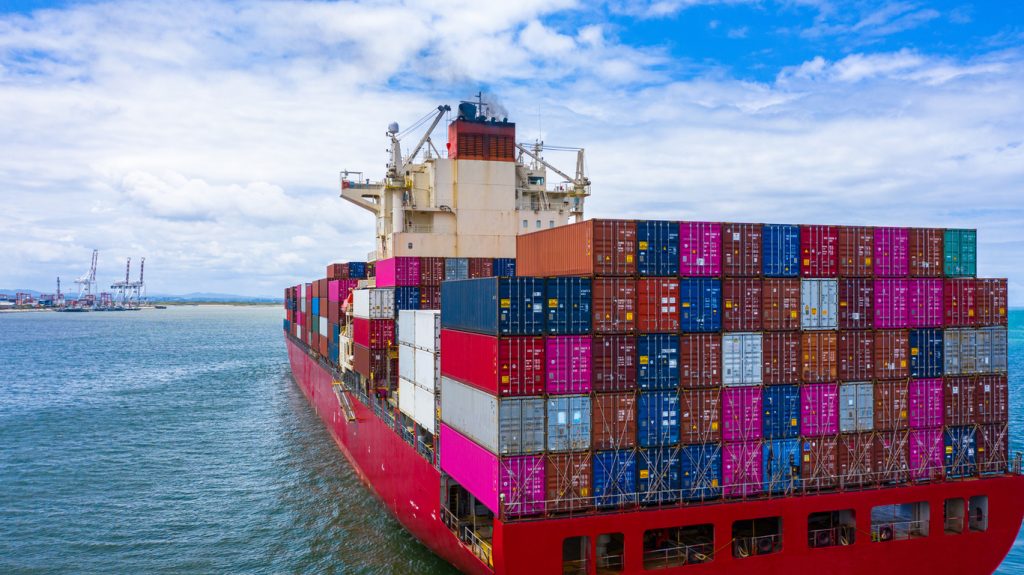
Shipping cost escalation in Nigeria refers to the continuous increase in the total cost of transporting goods internationally and locally, including ocean freight, air freight, and related logistics charges. It happens when multiple cost factors—such as fuel prices, exchange rates, port delays, and surcharges—push shipping expenses higher over time.
In simple terms, it means shipping is becoming more expensive, making imports costlier for businesses in Nigeria.
What Makes Up Shipping Cost Escalation in Nigeria
Shipping costs don’t increase from one source alone. They usually rise across several components:
- Ocean freight or air freight charges
- Fuel surcharges (BAF)
- Currency adjustment fees (CAF)
- Port and terminal charges
- Demurrage and storage fees
- Insurance costs
- Inland transportation costs
Main Causes of Shipping Cost Escalation in Nigeria
1. Global Fuel Price Increases
Shipping lines adjust rates based on rising bunker fuel costs.
2. Exchange Rate Depreciation
When the Naira weakens, all foreign-denominated shipping charges become more expensive locally.
3. Port Congestion in Nigeria
Delays at ports like:
- Apapa Port
- Tin Can Island Port
increase storage, handling, and vessel turnaround costs.
4. High Global Demand for Shipping Space
When demand exceeds container availability, prices rise.
5. Shipping Line Surcharges
Extra charges include:
- Peak season surcharge
- Congestion surcharge
- War risk surcharge
- Currency adjustment factor (CAF)
6. Regulatory and Documentation Delays
Delays from agencies such as:
Nigeria Customs Service
Standards Organisation of Nigeria
NAFDAC and NAQS
increase storage and clearance-related costs.
7. Supply Chain Disruptions
Global events such as conflicts, pandemics, or route disruptions increase logistics costs.
How Shipping Cost Escalation Affects Imports in Nigeria
1. Higher Landed Cost of Goods
Total import cost increases significantly.
2. Reduced Profit Margins
Importers struggle to maintain stable pricing.
3. Increased Working Capital Needs
More money is required to fund the same shipment volume.
4. Pricing Instability in Markets
Retail prices fluctuate frequently.
5. Reduced Import Volume
Businesses may import smaller quantities due to cost pressure.
Example of Shipping Cost Escalation
- Previous total shipping cost: $2,000
- New cost after escalation: $3,200
👉 Increase: $1,200 per shipment
This can multiply significantly across multiple containers.
Hidden Effects of Shipping Cost Escalation
Beyond freight, escalation also increases:
- Demurrage charges
- Storage fees
- Container detention costs
- Inland transport expenses
- Customs clearance delays
How to Manage Shipping Cost Escalation in Nigeria
1. Plan Early Shipments
Avoid last-minute bookings during peak pricing periods.
2. Consolidate Cargo
Reduce frequency of shipments to lower per-unit costs.
3. Choose Cost-Efficient Routes and Carriers
Compare freight forwarders and shipping lines.
4. Avoid Peak Season Shipping
Ship before or after high-demand periods.
5. Improve Clearance Speed
Fast customs clearance reduces storage and demurrage costs.
6. Build Cost Buffers into Budget
Always plan for possible freight increases.
Role of Compliance in Controlling Costs
Strong compliance helps reduce:
- Customs penalties
- Inspection delays
- Cargo detention
- Documentation rework
Better compliance = faster clearance = lower total shipping cost.
How Travo.ng Supports Businesses After Clearance
While shipping cost escalation affects international transport, logistics after arrival also impacts total import cost.
This is where Travo.ng supports businesses across Nigeria.
Travo.ng provides:
- Cargo pickup from ports and airports
- Nationwide transportation services
- Interstate logistics coordination
- Commercial cargo delivery
- Distribution support for businesses
- Last-mile delivery solutions
Efficient post-clearance logistics helps reduce storage costs and improve supply chain efficiency.
Final Insight
Shipping cost escalation in Nigeria is driven by fuel prices, exchange rate fluctuations, port congestion, and global demand. It increases overall import costs significantly, but proper planning, compliance, and efficient logistics management can help reduce its impact.
