


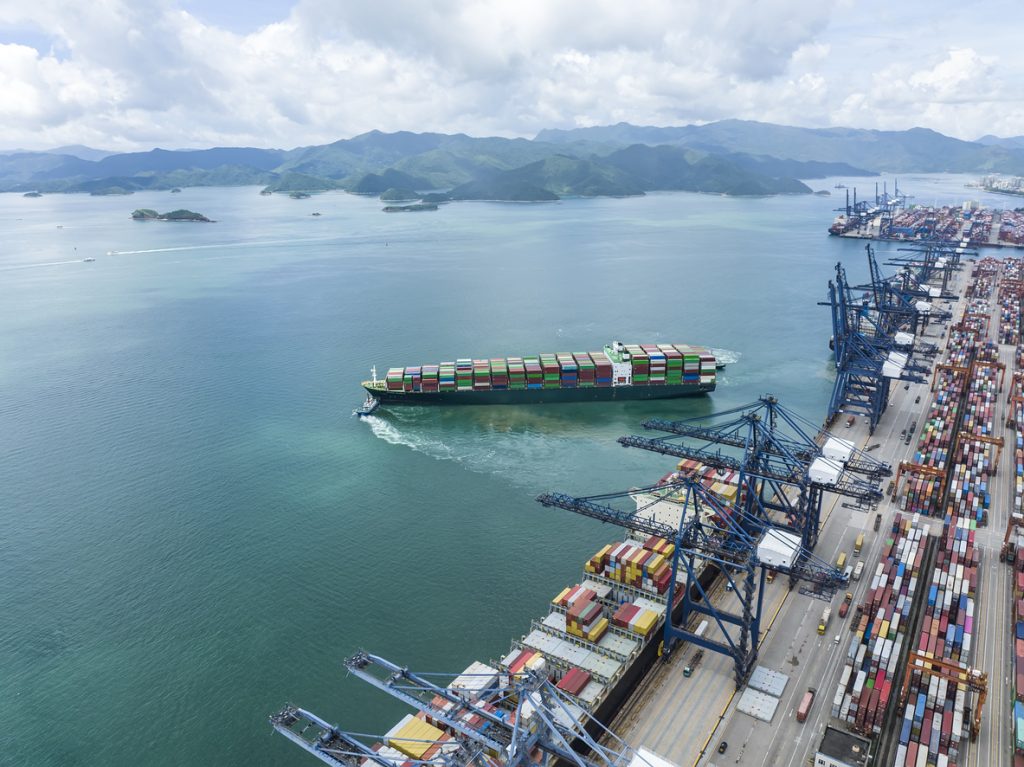
Shipping line surcharges in Nigeria are additional fees charged by shipping companies on top of the basic ocean freight rate. These charges are usually applied due to operational costs, fuel price changes, port congestion, currency fluctuations, or seasonal demand.
In simple terms, shipping line surcharges are extra costs added by shipping companies that increase the total cost of importing goods into Nigeria.
Common Types of Shipping Line Surcharges in Nigeria
1. BAF (Bunker Adjustment Factor)
A fuel surcharge that changes with global oil prices.
- Increases when fuel prices rise
- Affects both sea and air freight indirectly
2. CAF (Currency Adjustment Factor)
Applied when exchange rates fluctuate.
- Protects shipping lines from currency losses
- Increases import cost when Naira weakens
3. PSS (Peak Season Surcharge)
Charged during high-demand periods.
- Applied during holidays or peak trade seasons
- Container space becomes more expensive
4. Congestion Surcharge
Applied when ports are crowded or delayed.
Common in busy Nigerian ports like:
- Apapa Port
- Tin Can Island Port
5. War Risk Surcharge
Added when shipping routes are considered high-risk due to global instability.
6. THC (Terminal Handling Charges)
Costs for handling containers at ports and terminals.
7. Documentation Fees
Charged for processing shipping paperwork such as:
- Bill of lading
- Manifest
- Shipping instructions
8. Equipment Imbalance Surcharge
Applied when containers need repositioning across regions.
Why Shipping Line Surcharges Happen in Nigeria Imports
1. Fuel Price Changes
Global oil prices directly affect shipping costs.
2. Exchange Rate Volatility
Naira depreciation increases CAF charges.
3. Port Congestion
Delays in Nigerian ports lead to higher operational costs.
4. High Demand for Shipping Space
Limited container availability increases pricing pressure.
5. Global Risk Factors
Security issues or trade disruptions affect shipping routes.
Impact of Shipping Line Surcharges on Import Costs
Shipping line surcharges increase:
- Total freight cost
- Landed cost of goods
- Import budget uncertainty
- Pricing pressure on businesses
They can significantly affect profit margins, especially for bulk importers.
Example of Surcharge Impact
- Base freight: $2,000
- BAF: $300
- CAF: $250
- PSS: $200
👉 Total freight becomes: $2,750
That’s a 37.5% increase over base shipping cost.
How to Reduce Shipping Line Surcharge Costs
1. Book Early
Avoid peak season surcharges.
2. Consolidate Cargo
Reduce per-unit freight costs.
3. Choose Stable Shipping Periods
Avoid holiday or peak demand periods.
4. Use Reliable Freight Forwarders
They help negotiate better rates and avoid unnecessary charges.
5. Plan Around Exchange Rate Changes
CAF increases when Naira weakens.
Role of Compliance and Planning
While surcharges are mostly carrier-driven, proper planning helps reduce:
- Delays that attract congestion fees
- Storage-related charges at ports
- Documentation penalties
How Travo.ng Supports Importers After Clearance
Although shipping line surcharges occur before arrival, total import cost management continues after clearance.
This is where Travo.ng supports businesses across Nigeria.
Travo.ng provides:
- Cargo pickup from ports and airports
- Nationwide transportation services
- Interstate logistics coordination
- Commercial cargo delivery
- Distribution support for businesses
- Last-mile delivery solutions
Fast post-clearance logistics helps reduce storage costs and improve supply chain efficiency.
Final Insight
Shipping line surcharges in Nigeria are additional freight costs such as fuel charges, currency adjustments, peak season fees, and congestion surcharges. They significantly increase import costs and are influenced by global fuel prices, exchange rates, and port conditions. Proper planning and timing help importers reduce their impact.
