


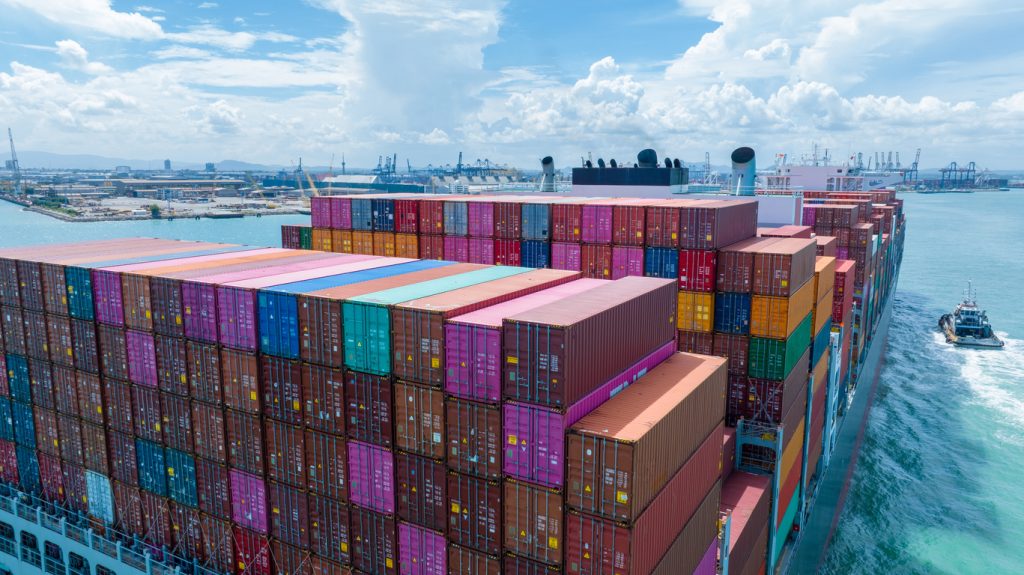
Import cost overruns in Nigeria refer to situations where the total cost of importing goods exceeds the original budget or estimated landed cost. These overruns usually happen during customs clearance, port handling, regulatory inspection, or logistics processing.
They are common in major Nigerian entry points such as Apapa Port, Tin Can Island Port, Onne Port, Port Harcourt Port, and international airports like Murtala Muhammed International Airport.
In simple terms, import cost overruns mean you end up spending more on your shipment than you originally planned.
Main Causes of Import Cost Overruns in Nigeria
1. Hidden Port Charges
Unexpected fees such as:
- Terminal handling charges
- Storage fees
- Documentation fees
- Port surcharges
2. Demurrage and Detention
Extra costs when cargo stays too long at the port or containers are returned late.
3. Regulatory Delays
Delays caused by inspections or approvals from:
Nigeria Customs Service
Standards Organisation of Nigeria
National Agency for Food and Drug Administration and Control
Nigerian Agricultural Quarantine Service
4. Inspection and Testing Costs
Charges for:
- Physical examination
- Laboratory testing
- Product verification
5. Incorrect HS Code Classification
Wrong classification can lead to:
- Higher duty rates
- Reassessment charges
- Penalties
6. Documentation Errors
Mistakes in:
- Invoice
- Packing list
- Bill of lading
- Certificates and permits
7. Exchange Rate Fluctuations
Changes in foreign exchange rates can increase:
- Duty payments
- Import taxes
- Total landed cost
8. Fumigation and Treatment Fees
Applied when cargo requires pest control or sanitation before release.
9. Regulatory Rework or Rejection
When goods are:
- Re-inspected
- Reclassified
- Re-submitted for approval
How Import Cost Overruns Affect Businesses
Importers may face:
- Reduced profit margins
- Cash flow pressure
- Pricing instability
- Delayed product delivery
- Loss of competitive advantage
Hidden Drivers of Cost Overruns in Nigeria
- Port congestion and delays
- Poor pre-shipment planning
- Lack of regulatory compliance
- Incomplete documentation
- Late clearance processes
- Unexpected inspections
How to Prevent Import Cost Overruns
Experienced importers usually:
1. Plan Full Landed Cost Early
Include all possible charges before shipping.
2. Ensure Full Compliance
Obtain approvals from:
- SON
- NAFDAC
- NAQS
3. Use Correct Documentation
Avoid errors in shipping and customs paperwork.
4. Clear Cargo Quickly
Reduce storage and demurrage exposure.
5. Use Correct HS Codes
Prevent duty reassessment and penalties.
6. Work With Compliance Experts
Helps reduce regulatory delays and risks.
Role of Compliance in Cost Control
Strong compliance helps prevent:
- Cargo detention
- Reclassification charges
- Regulatory penalties
- Inspection delays
Good compliance planning is one of the strongest ways to reduce import cost overruns.
How Travo.ng Supports Cost-Efficient Import Operations
While import cost overruns often occur during clearance, efficient logistics after release helps reduce overall supply chain costs.
This is where Travo.ng supports businesses across Nigeria.
Travo.ng provides:
- Cargo pickup from ports and airports
- Nationwide transportation services
- Interstate logistics coordination
- Commercial cargo delivery
- Distribution support for businesses
- Last-mile delivery solutions
By ensuring fast and reliable movement after clearance, businesses reduce storage-related losses and improve cost efficiency.
Final Insight
Import cost overruns in Nigeria are caused by hidden charges, regulatory delays, documentation errors, and port-related expenses. They can significantly increase the total cost of goods if not properly managed. Importers who plan ahead, ensure compliance, and clear cargo quickly can minimize or avoid these overruns.
