


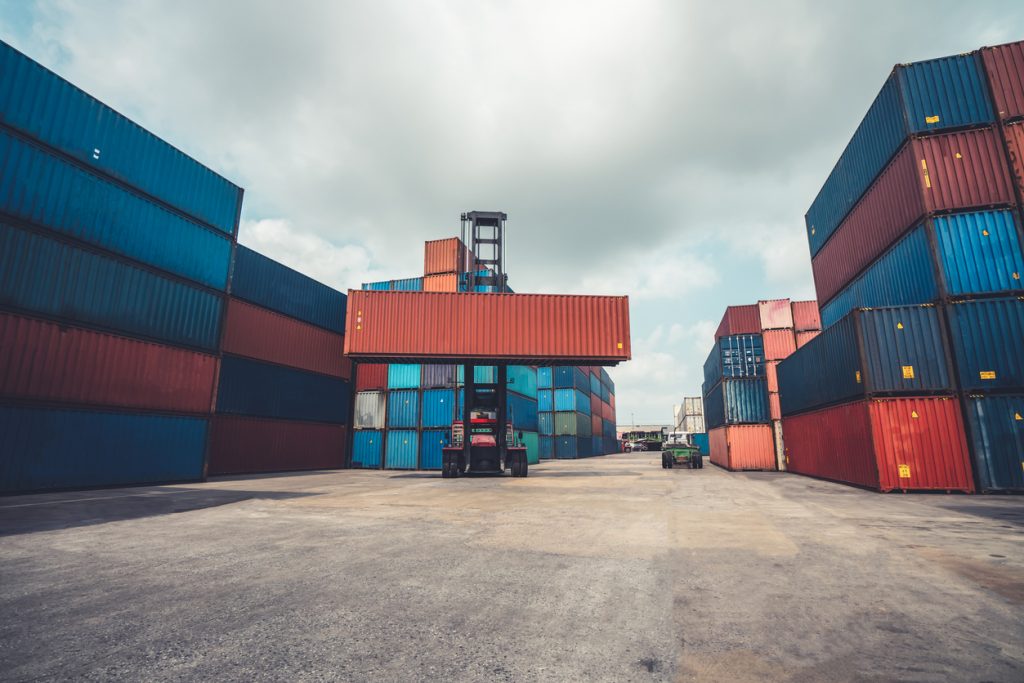
Cargo awaiting fumigation in Nigeria means that imported goods have been held at the port or warehouse and must undergo fumigation (pest treatment) before they can be released by regulatory authorities. This usually happens when agricultural, food-related, or wooden materials are suspected to carry pests, insects, or contamination risks.
This situation is common at major entry points such as Apapa Port, Tin Can Island Port, Onne Port, Port Harcourt Port, and international airports like Murtala Muhammed International Airport.
In simple terms, cargo awaiting fumigation means your shipment must be treated for pests before it can be cleared into Nigeria.
Who Orders Fumigation in Nigeria
Fumigation can be required or supervised by:
- Nigerian Agricultural Quarantine Service (NAQS)
- Nigeria Customs Service
- Approved fumigation service providers
These authorities ensure that imported goods do not introduce pests or biological risks into the country.
Why Cargo Is Sent for Fumigation
1. Pest or Insect Risk
Goods suspected to carry insects, termites, or larvae.
2. Agricultural Products
Grains, seeds, and plant materials often require fumigation.
3. Wooden Packaging Materials
Pallets, crates, and containers made of untreated wood.
4. Contamination Concerns
Signs of mold, dirt, or biological contamination.
5. Quarantine Requirements
NAQS regulations for biosecurity compliance.
Types of Goods Commonly Awaiting Fumigation
- Rice, maize, and other grains
- Seeds and planting materials
- Wooden pallets and crates
- Food ingredients of plant origin
- Used agricultural equipment
- Organic or biological materials
What Happens When Cargo Is Awaiting Fumigation?
When a shipment is placed under fumigation requirement:
- Cargo is moved to a fumigation zone or sealed area
- Approved chemicals are applied to eliminate pests
- Goods are held for a specific treatment period
- Inspection may be carried out before release
- Clearance is paused until certification is issued
- Storage charges may continue during delay
Fumigation and Customs Clearance
The:
Nigeria Customs Service
works with NAQS and other agencies to ensure proper treatment before release.
This means:
- Customs clearance is suspended during fumigation
- Fumigation certificate is required for final release
- Cargo cannot be delivered until approval is confirmed
Common Reasons for Fumigation Delay
1. High Volume of Cargo
Backlog at fumigation service points.
2. Lack of Pre-Shipment Treatment
Goods arrive untreated or uncertified.
3. Documentation Issues
Missing or invalid phytosanitary certificates.
4. Inspection Findings
Pests or contamination discovered during inspection.
5. Regulatory Scheduling Delays
Waiting for approved fumigation operators.
What Happens After Fumigation
After treatment:
- Cargo is inspected again
- A fumigation certificate is issued
- NAQS or relevant authority approves release
- Customs clearance is completed
- Goods are allowed for delivery
Risks of Fumigation Delay
Importers may face:
- Increased storage and demurrage charges
- Delivery delays
- Supply chain disruption
- Product quality deterioration (for perishables)
- Additional compliance costs
How to Prevent Fumigation Issues
Experienced importers usually:
- Ensure pre-shipment fumigation for wooden packaging
- Obtain phytosanitary certificates before export
- Properly declare agricultural goods
- Use compliant packaging materials (ISPM 15 treated wood)
- Work with certified logistics and compliance agents
How Travo.ng Supports Businesses After Clearance
While fumigation deals with regulatory safety, businesses still need reliable logistics after release.
This is where Travo.ng supports importers across Nigeria.
Travo.ng provides:
- Cargo pickup from ports and airports
- Nationwide transportation services
- Interstate logistics coordination
- Commercial cargo delivery
- Distribution support for businesses
- Last-mile delivery solutions
Whether goods are moving from Lagos to Abuja, Kano, Port Harcourt, Enugu, or other destinations, Travo.ng ensures smooth movement after clearance.
Final Insight
Cargo awaiting fumigation in Nigeria is a biosecurity measure used to eliminate pests and protect agriculture and public health. It is commonly required for grains, seeds, wood packaging, and plant-based goods. Importers who ensure proper pre-shipment treatment and documentation significantly reduce delays and clearance costs.
