


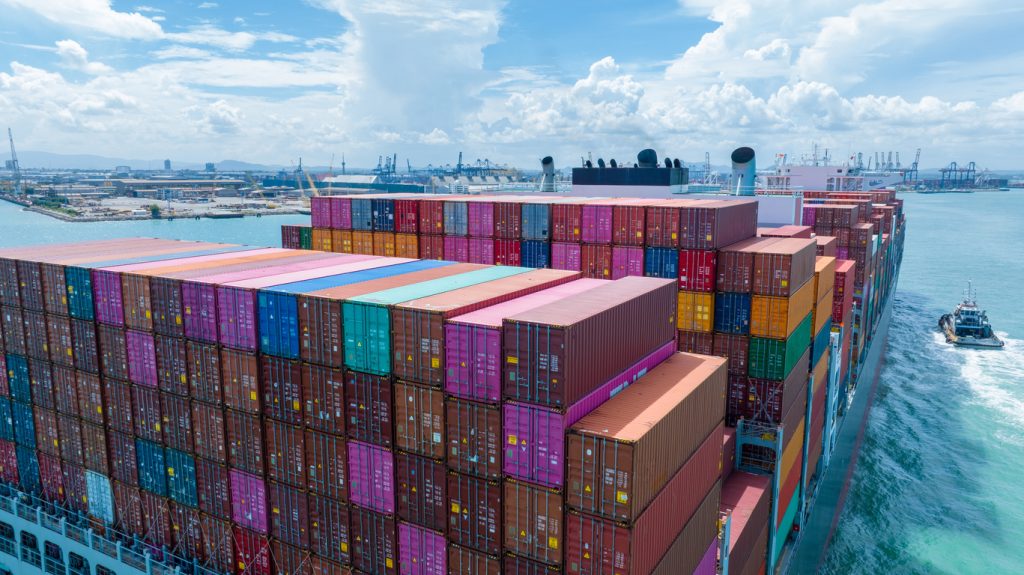
If you import goods through Apapa Wharf, Tin Can Island, or Murtala Muhammed Airport cargo terminal, one of the first administrative bottlenecks you may encounter is a Form M delay in Nigeria.
It usually happens earlier than most importers expect. Before cargo even arrives, or just as it lands, clearance can already be stuck because the Form M has not been approved, updated, or linked correctly to the shipment.
In simple terms, Form M delay means the mandatory import declaration is taking longer than expected to be processed by the bank and customs system, slowing down clearance and shipment release.
What Form M Is in Nigerian Import Processing
Form M is a pre-import declaration used to register and monitor goods entering Nigeria. It is part of the regulatory import framework managed through banks and supervised by:
Nigeria Customs Service
It is used to:
- Track imports before arrival
- Link importers to banking documentation
- Support customs valuation and classification
- Ensure compliance with import regulations
Without an active Form M, many imports cannot proceed smoothly through clearance.
What a Form M Delay Actually Means
A Form M delay happens when processing is slower than expected at any stage of approval or linkage.
It may involve:
- Pending bank approval
- Incomplete import documentation
- System validation delays
- Mismatch between Form M and shipping documents
- Late submission before shipment arrival
Even if everything else is ready, clearance cannot proceed without it.
Common Causes of Form M Delay in Nigeria
Form M delays are very common in Nigerian import operations because multiple institutions are involved.
1. Bank Processing Backlog
Banks handling import documentation may take time to approve submissions.
2. Incomplete Documentation
Missing invoices, unclear product details, or incomplete data can slow approval.
3. HS Code Uncertainty
Incorrect classification can delay validation and review.
4. Late Registration
Trying to process Form M after shipment is already in motion often leads to delays.
5. Data Mismatch
Differences between supplier documents and Form M entries.
What Happens When There Is a Form M Delay at the Port
At Apapa or Tin Can Island, Form M delay immediately affects clearance flow.
A typical sequence looks like:
- Shipment is dispatched or arrives in Nigeria
- Form M is required for clearance processing
- Bank or system delays approval
- Customs cannot proceed without valid Form M
- Cargo remains on hold
At this stage, cargo cannot move to full assessment or release.
For importers supplying Alaba International Market, Ladipo Auto Parts, Ikeja electronics hubs, or Abuja distribution networks, this often means delayed stock and missed sales opportunities.
Why Form M Delay Is So Common in Nigeria
Form M delays are frequent because the process involves coordination between importers, banks, and customs systems.
Common reasons include:
- Manual verification requirements
- High volume of import transactions
- Documentation inconsistencies
- Late submission by importers
- Communication gaps between parties
Even small errors can slow down approval.
The Real Impact of Form M Delay on Importers
Form M delay is not just administrative—it directly affects business operations.
Importers often experience:
- Cargo stuck before clearance begins
- Delayed duty payment and release
- Storage and demurrage charges at ports
- Cash flow pressure due to delayed goods
- Disruption in supply chain schedules
In Lagos ports, delays quickly increase total landed cost due to daily charges.
Why Small Form M Delays Become Expensive
Even a short delay can become costly because:
- Cargo cannot proceed to customs clearance
- Storage fees accumulate daily
- Shipping schedules are disrupted
- Containers may incur detention charges
So what starts as a banking or documentation delay quickly becomes a logistics cost issue.
Products Commonly Affected by Form M Delay
Some imports are more sensitive to Form M timing issues:
- Electronics and mobile devices
- Automotive spare parts
- Industrial machinery
- Medical and laboratory equipment
- Mixed commercial shipments
- High-value goods
These categories require precise documentation and early planning.
Where Importers Struggle Most With Form M Delay
Even after submission, delays can continue due to:
- Bank verification queues
- Document correction requests
- Customs cross-check requirements
- Communication delays between stakeholders
- System processing backlogs
In busy Nigerian ports, timelines are often unpredictable.
How Form M Delay Affects Logistics Planning
Form M delays affect more than documentation—they impact the entire supply chain.
They can disrupt:
- Shipping schedules
- Container release planning
- Inland transport coordination
- Warehouse inventory planning
- Retail distribution timelines
A single delay can affect multiple delivery points across Nigeria.
How Importers Try to Reduce Form M Delays
Experienced importers reduce risk by:
- Registering Form M before shipment is arranged
- Ensuring consistent documentation across all papers
- Confirming HS codes early
- Avoiding late corrections after submission
- Working with experienced clearing professionals
These steps improve approval speed and reduce delays.
How Travo.ng Helps After Clearance Bottlenecks
While Form M delay affects documentation and clearance timing, logistics becomes critical once cargo is released.
This is where Travo.ng supports importers and businesses across Nigeria.
Travo.ng helps manage:
- Cargo pickup and delivery after customs clearance
- Airport import handling and coordination
- Parcel and freight delivery nationwide
- Interstate logistics for business cargo movement
- End-to-end transport support after release
So even when Form M delays slow clearance, Travo.ng ensures goods move quickly once approval is completed.
Final Insight
A Form M delay in Nigeria is usually caused by timing, documentation accuracy, and coordination between banks and customs systems. Importers who plan early, submit accurate documents, and align their shipment details properly experience far fewer delays and smoother clearance cycles.
