


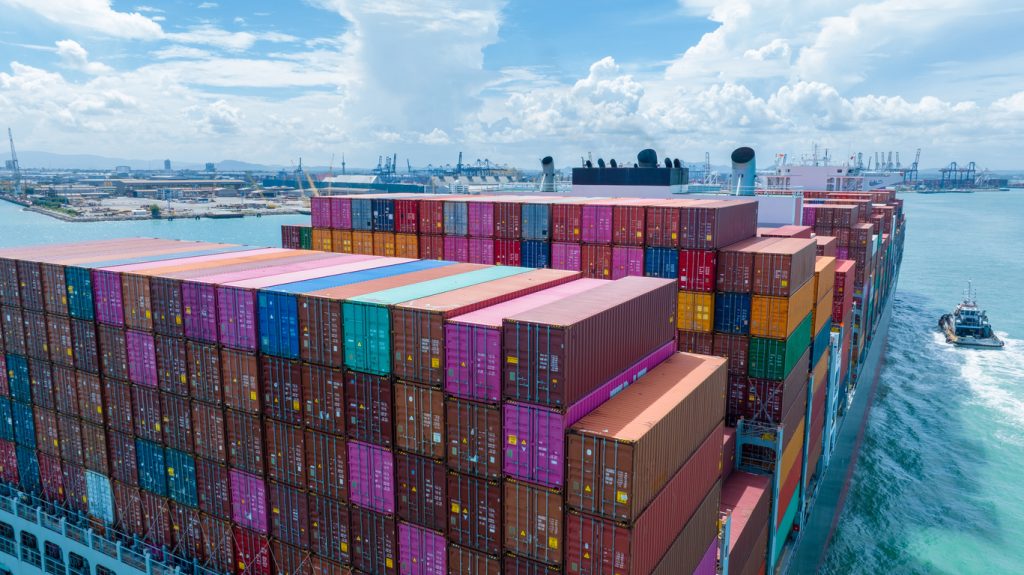
If you import goods through Apapa Wharf, Tin Can Island, or Murtala Muhammed Airport cargo terminal, you already know that one wrong assumption about cost can change your entire profit margin. That is exactly why import duty consulting in Nigeria is now a serious part of import planning, not just paperwork support.
Many importers only discover issues when cargo arrives—duty is higher than expected, VAT is recalculated, or customs raises valuation concerns. At that point, the shipment is already at the port, and every day of delay adds storage cost.
Import duty consulting simply means getting professional guidance on how much you will realistically pay in customs charges before goods are shipped, cleared, or valued.
How Import Duty Is Actually Calculated in Nigeria
Import duty is not estimated randomly. It is determined using a structured system enforced by:
Nigeria Customs Service
The calculation depends on:
- HS code classification of the product
- Customs valuation (CIF value)
- Applicable tariff rate
- Exchange rate used by customs
- Additional levies and regulatory charges
All of these are combined to determine your final payable duty.
So import duty consulting is really about making sure all these inputs are correct before your cargo lands.
What Import Duty Consulting Actually Solves
Good import duty consulting is not just about “finding a lower number.” It focuses on preventing costly mistakes.
It helps importers:
- Identify correct HS codes for products
- Estimate realistic duty and VAT before shipping
- Avoid overclassification into higher tariff categories
- Detect valuation risks early
- Prevent customs reassessment delays
- Plan full landed cost accurately
In practical terms, it turns unpredictable import costs into something you can budget for.
Why Import Duty Problems Are So Common in Nigeria
Import duty issues are not rare—they are part of daily clearance operations at Nigerian ports.
Common causes include:
1. Incorrect HS Code Selection
A small classification mistake can move goods into a higher duty bracket.
2. Underestimated Customs Value
Declared invoice values may not match customs benchmarks.
3. Supplier-Provided Codes
Foreign suppliers often use tariff codes that don’t match Nigerian interpretation.
4. Mixed Shipments
Different products grouped under one classification create confusion.
5. Limited Product Technical Details
Without proper specifications, customs classification becomes difficult.
What Happens When Import Duty Issues Arise at the Port
At Apapa or Tin Can Island, duty issues usually appear during assessment.
A typical process looks like:
- Cargo arrives at port or airport terminal
- Documents are submitted for clearance
- Customs reviews HS code and valuation
- Discrepancies are identified
- Duty is adjusted or reassessed
At this point, cargo clearance is paused until the issue is resolved.
For importers supplying Alaba International Market, Ladipo Auto Parts, Ikeja electronics hubs, or Abuja distribution networks, this delay can affect sales and stock availability.
The Real Cost of Poor Import Duty Planning
When import duty is not properly planned, the impact goes beyond numbers.
Importers often face:
- Unexpected increases in landed cost
- Cargo delays at congested ports
- Demurrage and storage charges at Apapa or Tin Can
- Cash flow pressure during clearance
- Disruption of delivery schedules
In Lagos ports, even a few days of delay can significantly increase total cost.
Why Small Duty Errors Become Expensive
Even a small classification or valuation error can escalate quickly.
This happens because:
- Duty is percentage-based on declared value
- VAT is calculated after duty is added
- Exchange rates affect total naira value
- Storage costs increase daily during delays
So a minor mistake at the planning stage can become a major financial issue at clearance.
Products That Commonly Require Import Duty Consulting
Some goods are more sensitive to classification and valuation issues:
- Electronics and mobile devices
- Automotive spare parts
- Industrial machinery
- Medical and laboratory equipment
- Mixed commercial shipments
- High-value consumer goods
These categories often have overlapping tariff classifications.
How Import Duty Consulting Improves Business Planning
When done properly, import duty consulting helps importers:
- Predict total landed cost before shipment
- Avoid unexpected customs adjustments
- Improve pricing accuracy in local markets
- Reduce clearance delays
- Strengthen supply chain reliability
This is especially important for businesses operating on tight margins.
How Travo.ng Supports Importers Beyond Duty Planning
Import duty consulting handles cost prediction, but logistics execution becomes critical after clearance.
This is where Travo.ng supports importers and businesses across Nigeria.
Travo.ng helps manage:
- Cargo pickup and delivery after customs clearance
- Airport import handling and coordination
- Parcel and freight movement nationwide
- Interstate logistics for business cargo flow
- End-to-end transport coordination after release
So while import duty consulting helps you plan financially, Travo.ng ensures your goods move efficiently once they are cleared.
Why Import Duty Consulting Will Continue to Grow in Importance
As Nigeria strengthens customs enforcement and valuation systems, import compliance is becoming stricter and more data-driven.
This includes:
- More accurate HS code enforcement
- Stronger valuation checks
- Increased use of import data analytics
- Tighter documentation requirements
For importers, planning ahead is no longer optional—it is essential.
A More Practical Way Importers Now Operate
Modern importers no longer wait until cargo arrives to find out costs. Instead, they:
- Confirm HS codes before shipping
- Estimate full duty and VAT early
- Include buffer for valuation changes
- Align documentation with customs expectations
This reduces surprises and improves business stability.
