


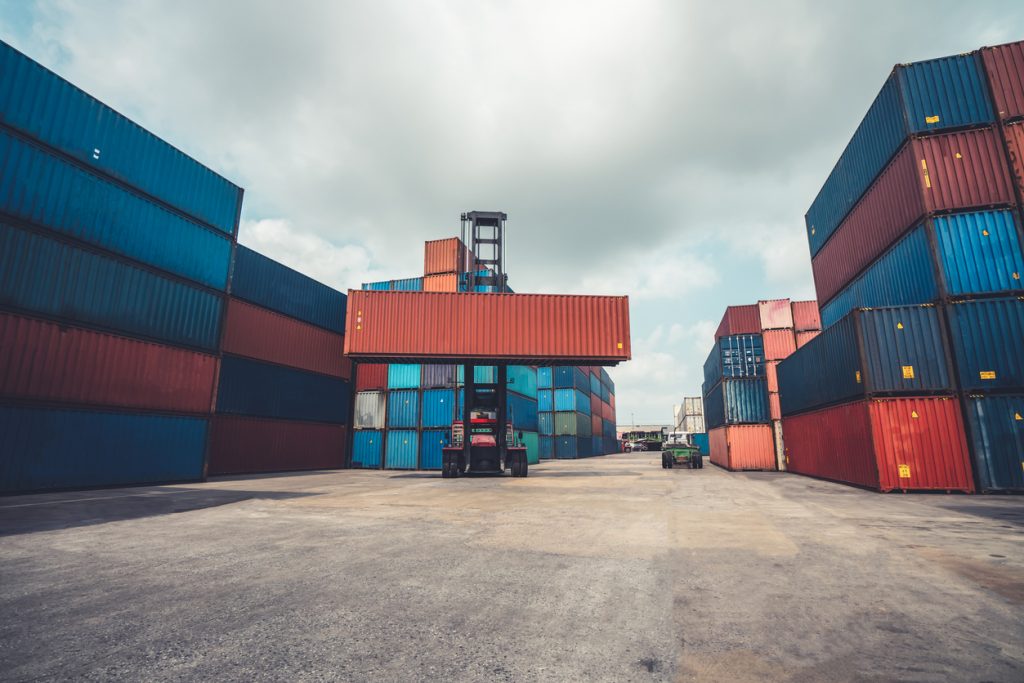
If you import goods through Apapa Wharf, Tin Can Island, or Murtala Muhammed Airport cargo terminal, you already know that one small detail can change your entire cost structure: the HS code. That’s why HS code consulting in Nigeria has become a serious part of import planning, not just paperwork.
Many importers only realize this when cargo arrives and customs raises questions about classification. Suddenly, a shipment that looked straightforward becomes delayed, reclassified, or more expensive than expected.
In simple terms, HS code consulting is the process of getting expert guidance on how your goods should be correctly classified before they reach Nigerian customs.
How HS Codes Actually Work in Nigerian Imports
HS codes (Harmonized System codes) are used globally to classify goods for customs purposes. In Nigeria, they directly determine how much duty you pay and how your cargo is processed at the port.
At the port level, this is enforced by:
Nigeria Customs Service
The HS code assigned to your product affects:
- Import duty rate
- VAT and levies
- Regulatory approvals required
- Inspection likelihood
- Clearance speed
So if the code is wrong or poorly chosen, everything else in the import process becomes unstable.
What HS Code Consulting Actually Helps You Solve
HS code consulting is not just about “finding a number.” It is about preventing expensive mistakes before cargo arrives.
A proper HS code consultant helps importers:
- Identify the correct tariff classification for goods
- Match product descriptions with customs standards
- Avoid underclassification or overclassification
- Reduce risk of disputes or reassessment
- Ensure consistency across multiple shipments
- Anticipate duty exposure before shipping
For businesses importing regularly into Lagos, this is what separates smooth clearance from unpredictable delays.
Why HS Code Errors Are So Common in Nigeria
HS code problems are not rare—they are one of the most common issues in Nigerian import operations.
Here’s why they happen:
1. Overly Generic Product Descriptions
Terms like “parts,” “equipment,” or “accessories” are too vague for accurate classification.
2. Supplier-Provided Codes
Foreign suppliers often assign HS codes based on their country’s system, which may not align with Nigerian interpretation.
3. Mixed Shipments
Multiple product types in one container often lead to incorrect grouping.
4. Lack of Technical Detail
Without full product specifications, classification becomes guesswork.
5. Changing Customs Interpretation
Tariff rules are updated or interpreted differently over time.
What Happens When HS Code Is Wrong at the Port
In real import operations at Apapa or Tin Can Island, a wrong HS code quickly disrupts clearance.
A typical sequence looks like:
- Cargo arrives at port or airport terminal
- Documents are submitted for assessment
- Customs reviews HS classification
- Inconsistency is detected
- Shipment is flagged for correction or review
At this point, clearance stops until the classification is corrected and approved.
For importers supplying markets like Alaba International Market, Ladipo Auto Spare Parts, or Ikeja electronics hubs, this can disrupt sales and inventory flow.
The Real Cost of Getting HS Codes Wrong
An incorrect HS code is not just a technical issue—it has direct financial consequences.
Importers may face:
- Higher import duties after correction
- Cargo delays at port terminals
- Storage and demurrage charges at Apapa or Tin Can
- Additional clearing agent fees
- Delayed delivery to customers or warehouses
Because Lagos ports are highly congested, even short delays can quickly become expensive.
Products That Commonly Require HS Code Consulting
Some goods are more complex to classify than others:
- Electronics and mobile accessories
- Automotive spare parts
- Industrial machinery and equipment
- Medical and laboratory devices
- Multi-function tech products
- Mixed consumer goods shipments
These categories often have overlapping tariff headings, which increases classification risk.
Why HS Code Consulting Is Now a Business Requirement
Importing in Nigeria has become more structured and data-driven. Customs now relies heavily on classification consistency and historical import data.
This means:
- More strict tariff enforcement
- Faster detection of mismatches
- Increased documentation verification
- Greater focus on compliance accuracy
So importers are no longer treating HS codes casually—they are planning them before shipping.
Where Importers Struggle Without HS Code Guidance
Without proper consulting, most problems show up at the worst time—after cargo has already arrived.
Common issues include:
- Disputes between importer and customs classification
- Unexpected duty increases after reassessment
- Delays due to document corrections
- Shipment held for verification
- Confusion over final tariff decisions
In Lagos ports, congestion makes resolution even slower.
How HS Code Consulting Improves Import Planning
When done properly, HS code consulting helps importers:
- Estimate total landed cost before shipping
- Avoid surprise duty adjustments
- Reduce risk of customs disputes
- Improve documentation accuracy
- Plan logistics timelines more reliably
It turns importing from a reactive process into a planned one.
How Travo.ng Supports Importers Beyond Classification
HS code consulting helps you avoid problems before shipment arrives, but logistics execution becomes just as important after clearance.
This is where Travo.ng supports importers and businesses across Nigeria.
Travo.ng helps manage:
- Cargo pickup and delivery after customs clearance
- Airport import handling and shipment coordination
- Parcel and freight delivery across Nigerian cities
- Interstate logistics for business cargo movement
- End-to-end transport coordination to reduce downtime
So while HS code consulting helps prevent clearance issues, Travo.ng ensures goods move smoothly once they are released.
Why HS Code Consulting Will Continue to Be Important
As Nigeria strengthens trade compliance systems, classification accuracy is becoming more important than ever.
This includes:
- More detailed tariff enforcement
- Stronger data-based customs checks
- Increased monitoring of import history
- Reduced tolerance for classification errors
For importers, proper classification is now a core part of business strategy.
A More Practical Way Importers Now Operate
Modern importers no longer treat HS codes as an afterthought.
Instead, they:
- Confirm HS codes before shipment
- Align product descriptions with customs standards
- Calculate duty exposure early
- Coordinate logistics planning in advance
This reduces surprises and keeps import operations stable.
