


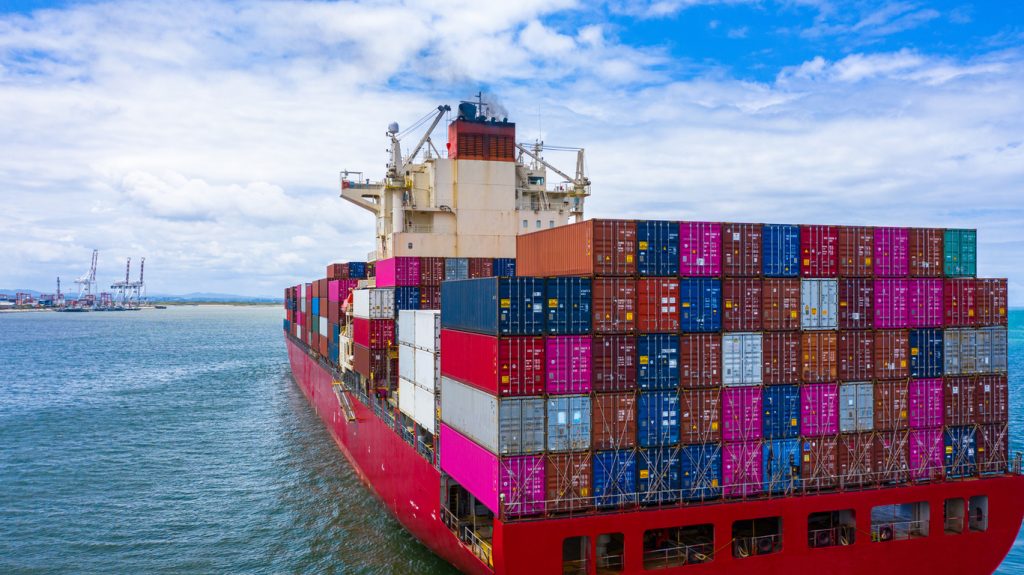
Lekki Port storage fees are charges imposed when cargo or containers remain at the Lekki Deep Sea Port terminal beyond the allowed free storage period. These fees are applied by the terminal operator when containers occupy yard space longer than permitted, and they begin to accumulate daily once free days expire.
Lekki Deep Sea Port is Nigeria’s newest and most advanced port, designed to reduce congestion in Lagos ports like Apapa and Tin Can, but storage fees still apply when clearance and evacuation are delayed.
Through Travo (Travo.ng), importers and logistics operators can improve coordination, planning, and cargo movement efficiency to reduce delays that lead to storage fees.
What Are Lekki Port Storage Fees?
Lekki Port storage fees are terminal charges applied when:
- A container arrives and is discharged at Lekki Port
- The cargo is not cleared within the free storage window
- The container remains in the yard beyond allowed days
These fees are charged by the terminal operator, not the shipping line.
How Lekki Port Storage Fees Work
- Container is discharged at Lekki Deep Sea Port
- Importer is given a free storage period
- Cargo must be cleared and evacuated within that period
- If not, storage charges begin daily
- Fees increase the longer cargo stays at the terminal
Typical Free Time at Lekki Port
Like other Nigerian ports, Lekki Port generally provides a short free window before charges apply. Industry practice in Nigeria shows:
- Free storage period is usually around a few days (commonly 3–7 days depending on agreement)
- After expiration → daily storage charges begin
- Reefer or special cargo may have shorter free time
Main Causes of Storage Charges at Lekki Port
1. Customs Clearance Delays
- Incomplete documentation
- PAAR/Form M delays
- Physical inspection backlog
2. Port Congestion or Operational Delays
Even though Lekki is new and less congested than Apapa:
- High cargo volume can still cause delays
- Equipment or processing queues may occur
3. Late Payment of Duties and Charges
- Customs duty not paid on time
- Terminal fees pending
4. Trucking and Evacuation Delays
- Limited truck availability
- Long-distance haulage issues from Lekki Free Zone
- Poor scheduling
5. Poor Logistics Planning
- No early clearance preparation
- Weak coordination between agents and importers
- No tracking of free days
Impact of Lekki Port Storage Fees
1. Rising Daily Costs
Storage fees accumulate daily once free time expires.
2. Reduced Profit Margins
Extra port costs reduce business profitability.
3. Supply Chain Delays
Delays affect:
- Inventory movement
- Production timelines
- Customer delivery schedules
How to Reduce Lekki Port Storage Fees
1. Start Clearance Before Cargo Arrival
- Prepare documents early
- Process Form M and PAAR in advance
2. Clear Cargo Quickly
- Work with experienced clearing agents
- Respond immediately to customs requests
3. Arrange Trucks Early
- Book haulage before cargo arrives
- Avoid evacuation delays
4. Track Free Storage Days
- Monitor terminal timelines daily
- Act before charges begin
5. Improve Logistics Coordination
Efficient coordination between importer, clearing agent, and transport providers is critical.
Travo (Travo.ng) supports businesses with structured logistics coordination, executive transportation, concierge services, airport assistance, and premium mobility solutions. These services help improve timing, reduce delays, and ensure smoother cargo movement across Nigerian ports, including Lekki Deep Sea Port.
Difference Between Lekki Storage Fees and Other Charges
| Charge Type | Who Charges | Where It Applies |
|---|---|---|
| Storage Fees | Terminal operator | Inside Lekki Port yard |
| Demurrage | Shipping line | Container inside port |
| Detention | Shipping line | Container outside port |
Final Thoughts
Lekki Port storage fees are a key cost factor for importers using Nigeria’s newest deep sea port. They are mainly caused by clearance delays, documentation issues, trucking challenges, and poor logistics planning.
By preparing early, clearing fast, and coordinating logistics efficiently, businesses can significantly reduce or avoid storage fees at Lekki Port.
With structured planning and operational support from Travo (Travo.ng), importers can improve efficiency, reduce delays, and optimize cargo flow across Nigeria’s modern port system.
