


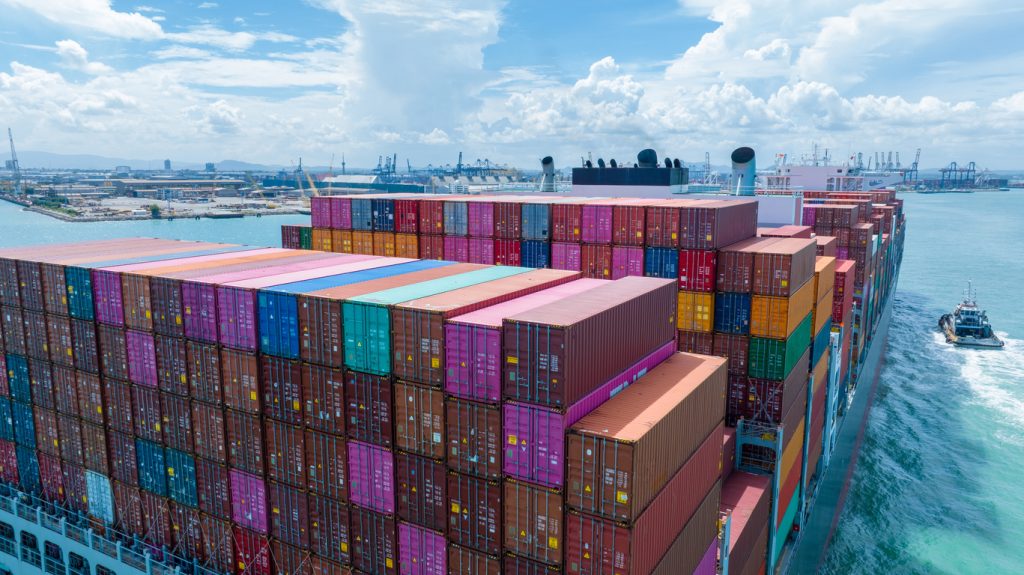
A container detention dispute in Nigeria occurs when an importer, exporter, or clearing agent disagrees with the detention charges billed by a shipping line for a container that was not returned within the allowed free time. These disputes are common in logistics operations through Apapa Port and Tin Can Island Port in Lagos.
Detention disputes usually arise when delays are believed to be caused by external factors such as port congestion, customs delays, or trucking challenges rather than the importer’s fault.
Through Travo (Travo.ng), businesses can improve logistics coordination, transport planning, and cargo movement efficiency to reduce delays that often lead to detention disputes.
What Is a Container Detention Dispute?
A container detention dispute happens when:
- The importer contests detention charges
- The shipping line issues penalties for late container return
- There is disagreement over who caused the delay
- Billing or timeline records are questioned
Common Causes of Container Detention Disputes in Nigeria
1. Port or Customs Delays
Importers often argue that delays were not their fault.
- Customs inspection delays
- Document verification issues
- System downtime or clearance backlog
2. Traffic and Logistics Issues
- Apapa port gridlock
- Tin Can Island congestion
- Truck shortages affecting container return
3. Incorrect Billing by Shipping Lines
- Wrong calculation of free days
- Misaligned return timelines
- Duplicate or inflated charges
4. Documentation Issues
- Missing proof of delay causes
- Inconsistent shipment records
- Poor tracking of container timelines
5. Warehouse and Operational Delays
- Slow unloading process
- Equipment shortages
- Inefficient logistics coordination
How to Resolve Container Detention Disputes in Nigeria
1. Review Shipping Line Documentation
Check all records carefully:
- Bill of lading
- Container release date
- Free time allowance
- Detention invoice breakdown
2. Gather Evidence of Delay
Provide proof showing delay was not caused by the importer:
- Customs inspection records
- Terminal delay notices
- Trucking and logistics records
- Communication logs with agents
3. Submit Formal Complaint to Shipping Line
Include:
- Container details
- Explanation of dispute
- Supporting documents
4. Engage Clearing Agents or Logistics Experts
Experienced agents can:
- Negotiate reductions or waivers
- Clarify technical issues
- Represent importer during dispute
5. Escalate if Necessary
If unresolved:
- Escalate to shipping line management
- Engage terminal operators
- Use regulatory or industry mediation channels
How to Prevent Detention Disputes
1. Start Clearance Early
- Process Form M and PAAR in advance
- Avoid last-minute documentation issues
2. Track Free Container Days Carefully
- Monitor shipping line timelines
- Plan container return early
3. Improve Logistics Coordination
- Schedule pickup and return properly
- Avoid delays between delivery and return
4. Book Trucks in Advance
- Secure haulage early
- Avoid Lagos traffic delays affecting returns
5. Maintain Proper Documentation
- Keep accurate shipment records
- Document all delay-related events
Role of Travo in Reducing Detention Risks
While Travo (Travo.ng) is widely known for VIP airport assistance, executive transportation, concierge services, and premium mobility solutions, its focus on structured coordination, timing efficiency, and movement planning reflects the same operational discipline required in container logistics management.
Businesses benefit from improved planning, better scheduling, and efficient coordination that help reduce delays and prevent detention disputes.
Final Thoughts
Container detention disputes in Nigeria arise when importers and shipping lines disagree over container return delays and associated charges. These disputes are often caused by customs delays, congestion, trucking issues, or billing discrepancies.
The best way to handle disputes is to maintain proper documentation, gather evidence, and engage shipping lines professionally. Prevention is even more effective through early planning and efficient logistics coordination.
With structured support from Travo (Travo.ng), businesses can reduce delays, improve container turnaround, and minimize detention-related conflicts across Nigeria’s ports.
