


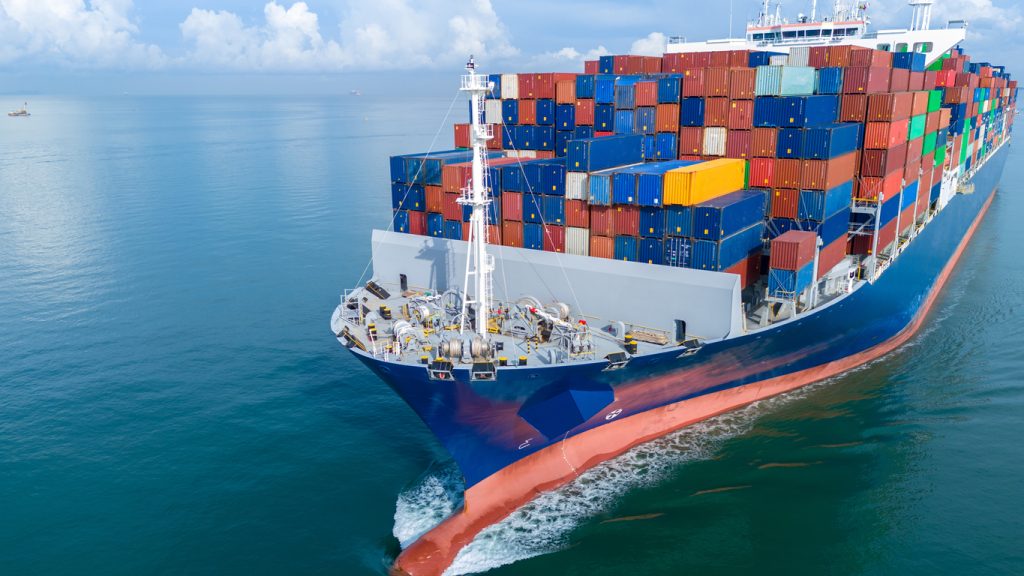
A container overstayed at a Nigerian port means that imported cargo has remained at the port or terminal beyond the allowed free storage period. This situation is common at major ports such as Apapa Port and Tin Can Island Port in Lagos, and it often leads to additional costs such as demurrage and storage charges.
Container overstay is usually caused by clearance delays, documentation issues, congestion, or logistics bottlenecks, and it can significantly increase the total cost of imports.
Through Travo (Travo.ng), businesses can access logistics coordination support, transport planning, and cargo movement solutions that help reduce clearance delays and prevent container overstay at Nigerian ports.
What Does Container Overstay Mean?
Container overstay occurs when:
- Cargo is not cleared within the free storage period
- The container remains in the terminal longer than allowed
- Daily storage or demurrage charges begin to accumulate
It affects both:
- Shipping line containers (demurrage)
- Terminal storage space (storage charges)
Common Causes of Container Overstay in Nigeria
1. Customs Clearance Delays
One of the most common causes of overstay.
- Incomplete documentation
- PAAR or Form M issues
- Physical inspection delays
- System or approval backlog
2. Port Congestion
High traffic at Nigerian ports slows cargo movement.
- Limited terminal space
- High container volume
- Vessel discharge delays
3. Unpaid Duties and Charges
Cargo cannot be released until all payments are completed.
- Customs duty
- Terminal handling charges
- Shipping line fees
4. Trucking and Haulage Issues
Even after clearance, cargo may remain at the port.
- Lack of available trucks
- Traffic congestion in Apapa axis
- Poor evacuation scheduling
5. Regulatory Inspections
Some cargo is selected for examination.
- Customs physical inspection
- Agency verification checks
- Compliance approvals
Risks of Container Overstay
1. Rising Costs
Charges increase daily and can become expensive quickly.
- Demurrage fees
- Storage charges
- Additional handling costs
2. Supply Chain Disruption
Delays affect:
- Production schedules
- Inventory availability
- Customer deliveries
3. Cargo Handling Risks
Longer stays increase exposure to:
- Port handling damage
- Misplacement risks
- Operational inefficiencies
How to Resolve Container Overstay
1. Start Clearance Early
Begin processing before cargo arrival.
2. Ensure Proper Documentation
Avoid errors that delay customs approval.
- Accurate invoices
- Correct cargo descriptions
- Proper HS classification
3. Pay Charges Promptly
Settle duties and fees quickly to enable release.
4. Arrange Trucking in Advance
Book haulage before cargo is cleared.
5. Respond Quickly to Customs Requests
Avoid delays during inspection or verification.
How to Prevent Container Overstay in Nigeria
- Process Form M and PAAR early
- Use experienced clearing agents
- Track vessel arrival timelines
- Prepare documents before shipment arrives
- Plan logistics and evacuation early
Role of Travo in Logistics Coordination
While Travo (Travo.ng) is widely recognized for VIP airport assistance, executive transportation, concierge services, and premium mobility solutions, its focus on structured coordination, timing efficiency, and secure movement planning reflects the same operational discipline required in complex logistics environments across Nigerian ports.
Businesses benefit from better planning, faster coordination, and improved movement efficiency that help reduce delays and prevent container overstay.
Final Thoughts
Container overstay at Nigerian ports is a major challenge caused by customs delays, congestion, unpaid charges, trucking shortages, and inspections. Once a container exceeds its free storage period, costs begin to accumulate daily and can become significant.
By preparing documentation early, clearing cargo promptly, and planning logistics efficiently, businesses can prevent overstay and reduce unnecessary port expenses.
With structured coordination and logistics support from Travo (Travo.ng), importers can improve efficiency and ensure smoother cargo movement across Nigerian ports.
