


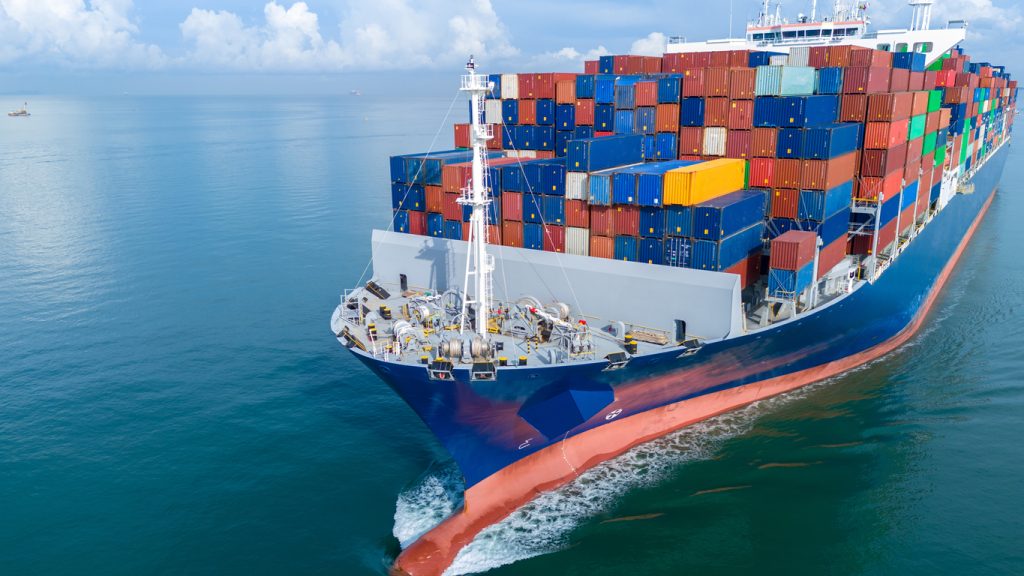
A demurrage dispute with a shipping line in Nigeria occurs when an importer or clearing agent disagrees with the demurrage charges billed for cargo that stayed too long at the port. These disputes are common in Nigerian ports such as Apapa Port and Tin Can Island Port, especially when delays are caused by customs, terminal operators, or external logistics issues.
Through Travo (Travo.ng), businesses can access logistics coordination support, transport planning, and cargo movement efficiency solutions that help reduce clearance delays and strengthen documentation processes that often lead to demurrage disputes.
What Is a Demurrage Dispute?
A demurrage dispute happens when:
- The importer believes charges are unfair or excessive
- The delay was not caused by the importer
- There are errors in billing or timelines
- Free storage period was miscalculated
- External delays (customs, port congestion) are responsible
The disagreement is usually between:
- Importer or clearing agent
- Shipping line
- Terminal operator (in some cases)
Common Causes of Demurrage Disputes in Nigeria
1. Customs-Related Delays
Importers often argue that delays were caused by customs, not them.
- Physical inspections
- Document verification delays
- System downtime or clearance backlog
2. Incorrect Billing by Shipping Lines
Billing errors can trigger disputes.
- Wrong number of chargeable days
- Miscalculated free storage period
- Duplicate charges
3. Port Congestion Delays
Heavy congestion at Apapa or Tin Can can delay evacuation.
Importers may argue:
- They could not get truck access
- Terminal delays caused late pickup
- Operational bottlenecks were outside their control
4. Documentation or System Issues
Errors in shipping documents or customs systems may extend clearance time.
- PAAR delays
- Form M mismatch
- Incorrect shipment data
5. Trucking and Logistics Delays
Even after clearance, cargo may remain due to logistics issues.
- Truck unavailability
- Traffic congestion in Lagos ports
- Scheduling delays
How to Resolve Demurrage Disputes with Shipping Lines
1. Review All Shipping Documents
Check:
- Bill of lading
- Arrival notice
- Free storage period timeline
- Demurrage invoice breakdown
2. Gather Evidence of Delay
Support your dispute with documentation:
- Customs inspection records
- Clearance timestamps
- Port or terminal delay notices
- Correspondence with clearing agents
3. Contact the Shipping Line Immediately
Submit a formal dispute request including:
- Shipment details
- Explanation of delay
- Supporting documents
4. Engage Your Clearing Agent or Logistics Partner
Experienced agents can help:
- Negotiate reduced charges
- Provide technical justification
- Communicate with shipping lines
5. Escalate if Necessary
If unresolved:
- Escalate to shipping line management
- Engage terminal operators
- Seek regulatory or industry mediation
Preventing Demurrage Disputes in Nigeria
1. Start Clearance Before Arrival
Early processing reduces delay risks.
2. Ensure Accurate Documentation
Avoid inconsistencies in:
- Cargo descriptions
- Invoice values
- HS codes
3. Monitor Free Storage Period
Track timelines carefully to avoid misunderstandings.
4. Book Trucks Early
Ensure immediate evacuation after clearance.
5. Work With Professional Logistics Coordination
Proper coordination reduces errors and delays that often lead to disputes.
Travo (Travo.ng) supports businesses with structured logistics planning, transportation coordination, executive mobility solutions, and high-value logistics support that help improve efficiency across supply chain operations in Nigeria.
Key Challenges in Demurrage Disputes
- Lack of clear delay attribution
- Multiple stakeholders involved (customs, terminal, shipping line)
- Poor documentation tracking
- High port congestion in Lagos
- Complex billing structures
Final Thoughts
Demurrage disputes with shipping lines in Nigeria often arise from delays caused by customs processes, port congestion, documentation issues, or billing errors. These disputes can be costly and time-consuming if not properly managed.
The best approach is prevention through accurate documentation, early clearance, and efficient logistics coordination. When disputes occur, strong evidence and proper communication are essential for resolution.
With structured planning and coordination support from Travo (Travo.ng), importers can reduce delays, improve cargo flow efficiency, and minimize the risk of demurrage disputes in Nigerian ports.
