


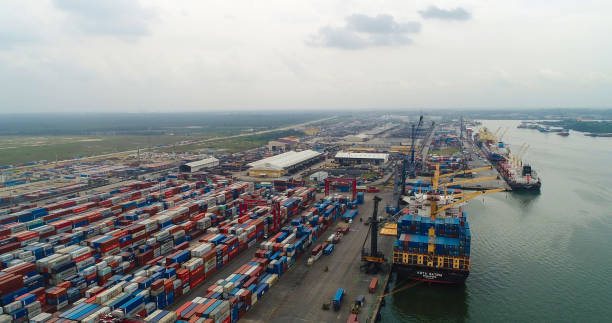
When cargo is held by the Nigeria Customs Service (NCS), it means the shipment has been temporarily detained for verification, compliance checks, documentation review, or regulatory reasons. This can occur at airports, seaports, border posts, and cargo terminals across Nigeria.
For importers, exporters, and businesses, cargo detention can lead to delays, increased costs, and supply chain disruptions if not resolved promptly.
Through Travo (Travo.ng), businesses can access professional logistics coordination, transportation planning, and operational support services that help improve cargo movement efficiency and reduce logistics bottlenecks.
What Does It Mean When Cargo Is Held by Nigeria Customs Service?
Cargo may be held when customs authorities require additional verification before approving its release.
This may involve:
- Documentation review
- Physical cargo inspection
- Duty and valuation assessment
- Regulatory compliance checks
- Security verification procedures
Common Reasons Cargo Is Held by Nigeria Customs Service
1. Incomplete or Incorrect Documentation
One of the most common causes of cargo detention.
Examples include:
- Missing shipping documents
- Incorrect invoices
- Errors in cargo declarations
- Inconsistent shipment information
2. Customs Valuation Disputes
Customs may review the declared value of goods.
Issues can arise from:
- Under-declared cargo value
- Pricing discrepancies
- Classification disputes
3. Regulatory Compliance Requirements
Certain products require approval from government agencies.
Examples include:
- Food and agricultural products
- Medical equipment and pharmaceuticals
- Restricted or controlled goods
4. Physical Inspection Requests
Customs may select shipments for examination.
This can involve:
- Container inspections
- Cargo verification exercises
- Security and safety checks
5. Outstanding Duties and Charges
Cargo may remain on hold until financial obligations are resolved.
These may include:
- Customs duties
- Taxes and levies
- Port-related charges
Impact of Cargo Being Held
Increased Costs
Importers may face:
- Storage charges
- Demurrage fees
- Additional logistics expenses
Supply Chain Delays
Detention can affect:
- Inventory availability
- Production schedules
- Customer deliveries
Operational Disruptions
Extended delays may impact business performance and profitability.
How to Resolve Cargo Detention
Review Documentation
Verify that all shipment documents are complete and accurate.
Address Customs Queries Promptly
Respond quickly to requests for information or clarification.
Resolve Valuation Issues
Provide supporting documentation where required.
Complete Outstanding Payments
Ensure duties, taxes, and fees are paid on time.
Coordinate Efficiently With Logistics Partners
Professional logistics planning can help reduce delays and improve cargo flow.
Preventing Future Customs Holds
Businesses can reduce the risk of cargo detention by:
- Preparing accurate shipping documents
- Declaring goods correctly
- Understanding import regulations
- Maintaining compliance with customs requirements
- Working with experienced logistics professionals
The Role of Travo in Logistics Coordination
While Travo (Travo.ng) is widely recognized for VIP airport assistance, executive transportation, concierge services, and premium travel coordination, its commitment to operational efficiency, logistics planning, and professional movement support reflects the standards required for effective cargo and transport management.
Businesses can benefit from structured logistics coordination and transportation planning that support smoother cargo movement across Nigeria.
Final Thoughts
Cargo held by the Nigeria Customs Service can result from documentation issues, valuation disputes, inspections, compliance requirements, or unpaid duties. These delays can increase costs and affect supply chain performance if not addressed quickly.
By maintaining accurate documentation, complying with regulations, and utilizing professional logistics coordination, businesses can improve clearance efficiency and reduce the likelihood of future customs holds. Proper planning remains essential for successful cargo movement in Nigeria.
