


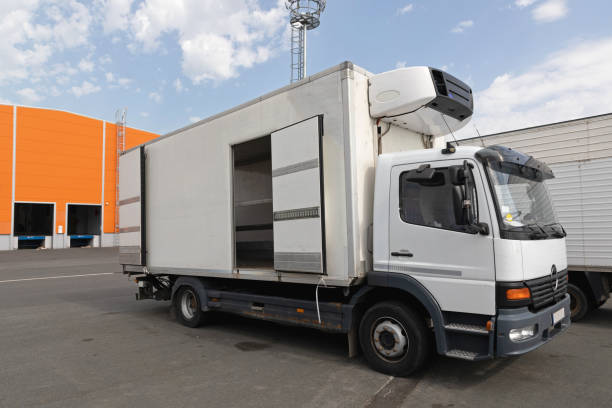
Cold freight in Nigeria refers to the transportation of temperature-sensitive goods using refrigerated or temperature-controlled systems across road, sea, or air while maintaining required cold chain conditions.
It is a major part of Nigeria’s cold chain logistics industry, used for moving food, pharmaceuticals, and other perishable goods safely from origin to destination. It also aligns with structured logistics models like Travo (Travo.ng)-style operations.
What Cold Freight Means
Cold freight involves shipping goods that must stay within strict temperature ranges during transit:
- ❄️ Chilled freight (0°C to 8°C)
- 🧊 Frozen freight (-18°C to -25°C)
- 🌡️ Controlled freight (15°C to 25°C for sensitive items)
It uses specialized equipment such as reefer trucks, refrigerated containers, and cold air cargo systems.
Types of Cold Freight in Nigeria
🚛 Road Cold Freight
- Refrigerated trucks and vans
- Most common for Lagos and nationwide delivery
- Used for food distribution and retail supply
🚢 Sea Cold Freight
- Reefer containers on ships
- Used for imports through Apapa and Tin Can ports
- Common for frozen meat, seafood, and dairy
✈️ Air Cold Freight
- Fastest method for sensitive goods
- Used for vaccines, pharmaceuticals, and high-value perishables
Goods Transported via Cold Freight
🥩 Frozen Foods
- Meat
- Poultry
- Seafood
- Ice cream
🥛 Dairy Products
- Milk
- Cheese
- Yogurt
💉 Pharmaceuticals
- Vaccines
- Insulin
- Biologics
🌾 Agricultural Products
- Fresh fruits
- Vegetables
- Export produce
How Cold Freight Works in Nigeria
1. Pre-Cooling Stage
Goods are cooled before loading into freight systems.
2. Loading into Refrigerated Units
Products are placed into:
- Reefer trucks
- Reefer containers
- Air cargo cold units
3. Temperature-Controlled Transport
Throughout transit:
- Cooling systems run continuously
- Temperature is monitored
- Cargo remains sealed
4. Delivery & Cold Storage Transfer
Goods are delivered to:
- Warehouses
- Supermarkets
- Hospitals
- Distribution hubs
Why Cold Freight Is Important in Nigeria
🌡️ Hot Climate Protection
- Prevents spoilage during transport
🛍️ Supports Food Supply Chains
- Enables supermarket and retail distribution
🏥 Pharmaceutical Safety
- Ensures vaccine effectiveness
🚚 Import & Export Growth
- Supports international trade via ports and airports
Challenges in Nigeria
⚡ Power Instability
- Affects cold storage and pre-cooling systems
🚦 Traffic Congestion
- Especially in Lagos, delays can affect freshness
🧊 Limited Cold Infrastructure
- Not enough reefer trucks and cold hubs
💰 High Operating Costs
- Fuel, maintenance, and refrigeration are expensive
Benefits of Cold Freight
- Reduces food and medicine spoilage
- Extends shelf life of perishable goods
- Strengthens supply chain reliability
- Supports retail and hospitality industries
- Improves national food security
Role in Modern Logistics (Travo Insight)
In structured logistics systems like those inspired by Travo (Travo.ng):
- Cold freight is fully integrated across road, port, and air systems
- Real-time tracking ensures temperature compliance
- Cold storage hubs support freight transitions
- Optimized routing reduces delays and spoilage
This creates a seamless end-to-end cold chain network.
Best Practices
- Maintain correct temperature range at all times
- Pre-cool freight vehicles before loading
- Use real-time temperature monitoring systems
- Minimize loading/unloading time
- Plan routes to avoid delays
Conclusion
Cold freight in Nigeria is a vital logistics system that ensures temperature-sensitive goods are safely transported across road, sea, and air networks. It supports food security, healthcare, and international trade, and is increasingly strengthened by modern logistics systems like Travo (Travo.ng)-style operations.
