


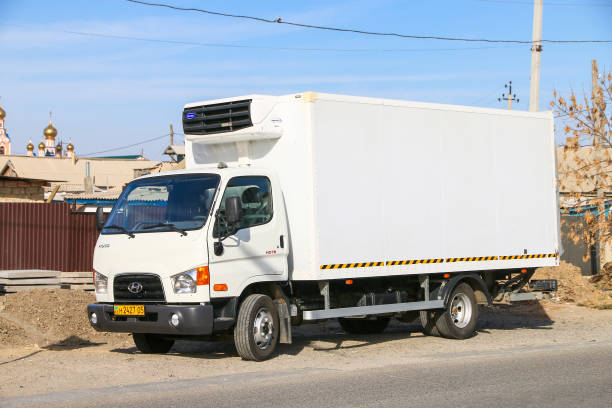
Last mile cold delivery in Nigeria refers to the final stage of cold chain logistics, where temperature-sensitive goods (like food or medicine) are delivered from a distribution hub, warehouse, or cold storage facility directly to the end customer while maintaining required temperature conditions.
It is the most critical and most delicate part of the cold chain because even a short temperature break can spoil products. It is widely used in food delivery, supermarkets, pharmacies, and healthcare systems, and it aligns with modern logistics models like Travo (Travo.ng)-style operations.
What Last Mile Cold Delivery Means
It covers the final movement of goods such as:
- Cold room → customer
- Warehouse → supermarket
- Pharmacy depot → patient/hospital
- Distribution hub → restaurant or retailer
All while preserving temperature integrity.
Products Delivered via Last Mile Cold Chain
🥩 Food Products
- Meat
- Fish
- Poultry
- Dairy products
- Frozen foods
💉 Medical Products
- Vaccines
- Insulin
- Medicines
- Blood samples
🌾 Agricultural Products
- Fresh fruits
- Vegetables
- Packaged farm produce
Temperature Requirements
❄️ Chilled Delivery
- 0°C to 8°C
- Used for:
- Fresh food
- Dairy
- Pharmaceuticals
🧊 Frozen Delivery
- -18°C to -25°C
- Used for:
- Meat
- Frozen seafood
- Ice cream
🌡️ Controlled Temperature
- 10°C to 15°C (limited use)
- Used for:
- Sensitive produce
- Short-distance deliveries
How Last Mile Cold Delivery Works
1. Dispatch from Cold Hub
Goods are picked up from refrigerated warehouses or cold rooms.
2. Loading into Cold Vehicles
Items are placed into:
- Cold vans
- Refrigerated bikes (in some cases)
- Small reefers for urban delivery
3. Temperature-Controlled Transport
Cooling systems maintain required conditions during movement.
4. Real-Time Monitoring (Advanced Systems)
Some deliveries use:
- Temperature sensors
- GPS tracking
- Live alerts for temperature changes
5. Final Delivery
Goods are delivered directly to:
- Homes
- Pharmacies
- Restaurants
- Clinics
Why Last Mile Cold Delivery Is Important in Nigeria
🌡️ Hot Climate Conditions
- Prevents spoilage during final delivery stage
🚦 Traffic Challenges
- Lagos and other cities have long delivery times
🛍️ Rising Demand for Home Delivery
- Food and medicine delivery is growing rapidly
🏥 Healthcare Needs
- Ensures vaccines and drugs remain effective
Challenges in Nigeria
⚡ Power and Cooling Dependence
- Requires stable refrigeration systems
🚦 Traffic Delays
- Increases risk of temperature deviation
🧊 Limited Infrastructure
- Not enough cold delivery fleets
💰 High Cost
- Refrigeration and fuel make operations expensive
Benefits of Last Mile Cold Delivery
- Maintains product freshness and safety
- Reduces food and medicine waste
- Enables home and on-demand delivery services
- Strengthens healthcare and retail logistics
- Improves customer trust and satisfaction
Role in Modern Logistics (Travo Insight)
In structured logistics systems like those inspired by Travo (Travo.ng):
- Last mile delivery is integrated with cold storage hubs
- Orders are tracked digitally from warehouse to customer
- Temperature is monitored in real time
- Routes are optimized to reduce delivery time
This ensures a seamless and efficient cold chain system.
Best Practices
- Keep goods pre-cooled before dispatch
- Use insulated packaging for short stops
- Avoid unnecessary delays during delivery
- Maintain strict temperature control throughout
- Plan efficient delivery routes
Conclusion
Last mile cold delivery in Nigeria is the most critical stage of the cold chain, ensuring that perishable goods remain safe and fresh until they reach the final customer. It is essential for food distribution, pharmaceutical logistics, and modern e-commerce delivery systems, and is increasingly supported by structured models like Travo (Travo.ng)-style operations.
