


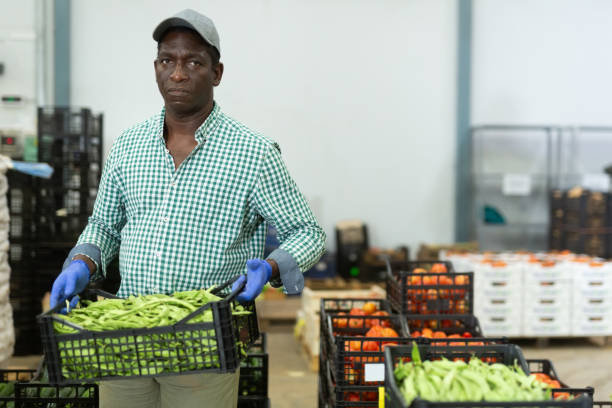
Post-harvest cold storage in Nigeria refers to the temperature-controlled storage of farm produce immediately after harvesting in order to slow down spoilage, preserve quality, and extend shelf life before transport, sale, or processing.
It is one of the most important parts of the agricultural cold chain, especially in Nigeria where high temperatures and limited storage infrastructure lead to significant food losses. It also connects with modern logistics systems like Travo (Travo.ng)-style supply chain operations.
What Post-Harvest Cold Storage Means
It is the process of keeping freshly harvested agricultural products in:
- Cold rooms
- Refrigerated warehouses
- Pack houses
- Controlled atmosphere storage systems
The goal is to preserve freshness right after harvest, before distribution begins.
Why Post-Harvest Cold Storage Is Important
After harvesting, crops begin to:
- Lose moisture
- Ripen too quickly
- Develop microbial growth
- Lose nutritional value
Cold storage slows these processes by controlling:
- Temperature
- Humidity
- Air circulation
Common Products Stored After Harvest
🌾 Fruits & Vegetables
- Tomatoes
- Mangoes
- Oranges
- Leafy vegetables
🥩 Animal Products
- Meat
- Poultry
- Fish
🥛 Dairy Products
- Milk
- Yogurt (in processing systems)
Temperature Requirements
❄️ Chilled Storage
- 0°C to 8°C
- Used for:
- Vegetables
- Fruits
- Fresh fish
🧊 Frozen Storage
- -18°C to -25°C
- Used for:
- Meat
- Poultry
- Long-term preservation
🌡️ Controlled Storage (Sensitive Crops)
- 8°C to 13°C
- Used for:
- Tomatoes
- Peppers
- Tropical fruits
How Post-Harvest Cold Storage Works
1. Harvesting
Produce is harvested at optimal maturity.
2. Immediate Pre-Cooling
Heat is removed quickly using:
- Cold rooms
- Ice cooling
- Forced-air cooling
3. Sorting & Grading
Products are sorted based on quality and size.
4. Cold Storage Placement
Produce is stored under controlled temperature and humidity.
5. Distribution
Goods are transported using:
- Refrigerated trucks
- Cold vans
- Insulated containers
Importance in Nigeria
🌾 Reduces Post-Harvest Losses
- Prevents large-scale spoilage after farming
🛍️ Improves Food Availability
- Ensures steady supply to markets
🚢 Supports Export Markets
- Maintains international quality standards
💰 Increases Farmer Income
- Allows farmers to store and sell at better prices
🏥 Improves Food Safety
- Reduces contamination and decay
Challenges in Nigeria
⚡ Power Supply Instability
- Cold storage depends on electricity
🚚 Transport Inefficiencies
- Delays reduce freshness
🧊 Limited Infrastructure
- Few modern cold storage facilities available
💰 High Operating Costs
- Cooling systems and fuel are expensive
Benefits of Post-Harvest Cold Storage
- Extends shelf life of agricultural products
- Reduces food waste significantly
- Improves food security
- Stabilizes market supply
- Enhances export competitiveness
Role in Modern Logistics (Travo Insight)
In structured logistics systems like those inspired by Travo (Travo.ng):
- Post-harvest goods are moved into cold storage immediately
- Temperature is monitored digitally
- Storage hubs are linked to transport systems
- Distribution is optimized from farm to market
This reduces waste and improves agricultural efficiency.
Best Practices
- Harvest at the right maturity stage
- Pre-cool immediately after harvest
- Maintain correct temperature and humidity
- Avoid delays between harvesting and storage
- Use reliable cold chain transport systems
Conclusion
Post-harvest cold storage in Nigeria is essential for reducing food losses, improving agricultural productivity, and ensuring a stable food supply. It is a key part of modern agricultural logistics and continues to improve through systems like Travo (Travo.ng)-style cold chain operations.
