


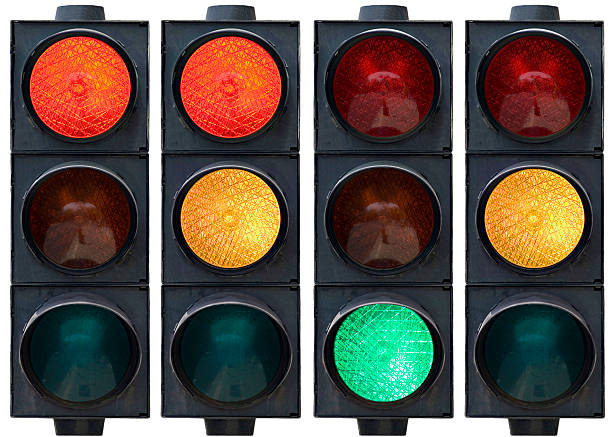
A traffic light sequence is the order in which traffic signal lights change to control the movement of vehicles and pedestrians safely at intersections.
The standard sequence used in Nigeria and most countries is:
🔴 Red → 🟡 Yellow (Amber) → 🟢 Green → 🟡 Yellow (Amber) → 🔴 Red
Meaning of Each Traffic Light
🔴 Red Light
STOP
- Vehicles must come to a complete stop.
- Wait behind the stop line or pedestrian crossing.
- Do not proceed until the light changes.
🟡 Yellow (Amber) Light
PREPARE TO STOP
- Signals that the light is about to turn red.
- If it is safe, stop before the intersection.
- Do not accelerate to “beat the light.”
🟢 Green Light
GO (When Safe)
- Vehicles may proceed through the intersection.
- Drivers should still check for pedestrians and other hazards.
Typical Traffic Light Cycle
- Red
- Red + Yellow (used in some countries)
- Green
- Yellow
- Red
In many Nigerian intersections, the sequence is simply:
Red → Green → Yellow → Red
Why Traffic Light Sequences Matter
They help:
- Prevent accidents
- Control traffic flow
- Protect pedestrians
- Reduce congestion
- Improve road safety
Common Traffic Light Violations
- Running a red light
- Speeding through a yellow light
- Stopping beyond the stop line
- Distracted driving at intersections
These violations can lead to accidents, fines, and penalties.
Traffic Lights for Logistics & Commercial Drivers
For fleet, truck, and delivery drivers:
- Obeying signals reduces accident risk
- Improves driver safety records
- Helps avoid fines and delivery delays
- Supports compliance with road safety regulations
Conclusion
The standard traffic light sequence is:
🔴 Red → 🟢 Green → 🟡 Yellow → 🔴 Red
Understanding and obeying traffic signals is one of the most important parts of safe driving and road safety.
