


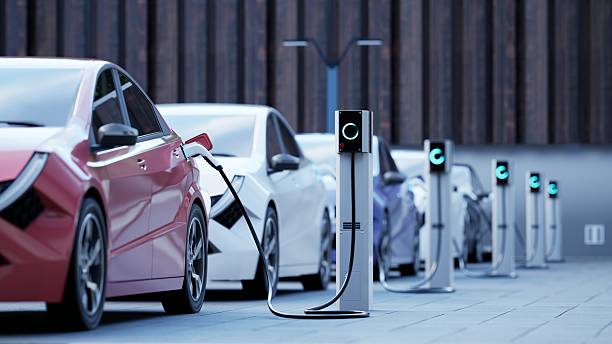
EV charging is the process of supplying electricity to an electric vehicle (EV) or plug-in hybrid vehicle (PHEV) to recharge its battery so it can run.
Instead of petrol or diesel, EVs use stored electrical energy from charging stations or home power sources.
How EV Charging Works
EV charging transfers electricity from a power source into the car battery through a charging port.
Basic flow:
- Power source (grid, generator, solar, or station)
- Charging cable / connector
- EV onboard charger
- Battery storage system
Types of EV Charging
1. Level 1 Charging (Slow Charging)
- Uses standard home socket (220V–240V)
- Very slow but convenient
- Common for overnight charging
⏱️ Time: 8–20 hours depending on battery size
2. Level 2 Charging (Fast Home/Commercial Charging)
- Requires dedicated charging unit (wall box)
- Faster and more efficient
⏱️ Time: 3–8 hours
3. DC Fast Charging (Rapid Charging)
- Found at public charging stations
- Direct high-voltage charging
⏱️ Time: 20 minutes – 1 hour (to 80%)
EV Charging Types by Location
1. Home Charging
- Most common
- Overnight charging using electricity or solar
2. Public Charging Stations
- Located in malls, fuel stations, commercial hubs
- Useful for long trips
3. Workplace Charging
- Installed in offices or fleet depots
- Supports employee EV use
4. Fleet Charging Depots
- Used by logistics and transport companies
- Centralized charging for multiple EVs
EV Charging Connectors (Common Types)
- Type 1 (older vehicles)
- Type 2 (standard in many modern EVs)
- CCS (Combined Charging System — fast charging)
- CHAdeMO (used in some Japanese models)
EV Charging Time Factors
Charging speed depends on:
- Battery size (kWh)
- Charger type (slow, fast, rapid)
- Electricity supply stability
- Vehicle charging system capacity
- Temperature and battery condition
Cost of EV Charging in Nigeria (2026 Estimate)
EV charging cost varies because electricity pricing is not fixed for EV use:
- Home charging: ₦3,000 – ₦15,000 per full charge
- Public charging: ₦5,000 – ₦25,000+ depending on station
- Fleet charging: discounted bulk pricing (contract-based)
Benefits of EV Charging Systems
1. Lower Fuel Costs
Cheaper than petrol/diesel in most cases.
2. Reduced Maintenance
EVs have fewer moving parts.
3. Eco-Friendly
No exhaust emissions during use.
4. Quiet Operation
Low noise compared to combustion engines.
Challenges of EV Charging in Nigeria
- Limited charging infrastructure
- Unstable electricity supply
- High cost of fast chargers
- Limited EV awareness and adoption
- Long charging times for basic setups
EV Charging for Logistics & Fleet Operations
For logistics companies, EV charging is becoming important because:
- Reduces fuel dependency
- Lowers operating costs over time
- Supports urban delivery fleets
- Enables green logistics branding
- Requires depot-based charging planning
However, fleets must consider:
- Charging downtime
- Route planning around range limits
- Installation of charging infrastructure
EV Charging vs Fuel Refilling
| EV Charging | Fuel Refilling |
|---|---|
| Takes time (minutes–hours) | Very fast (minutes) |
| Lower running cost | Higher fuel cost |
| Requires electricity access | Requires fuel stations |
| Eco-friendly | Emits CO₂ |
Safety Tips for EV Charging
- Use certified charging equipment
- Avoid damaged cables or ports
- Do not charge in flooded areas
- Monitor charging temperature
- Follow manufacturer guidelines
Conclusion
EV charging is the foundation of electric vehicle operation. In Nigeria, adoption is still growing, but it is becoming increasingly relevant for urban transport, ride-hailing, and logistics fleets as companies move toward cleaner and more cost-efficient mobility.
