


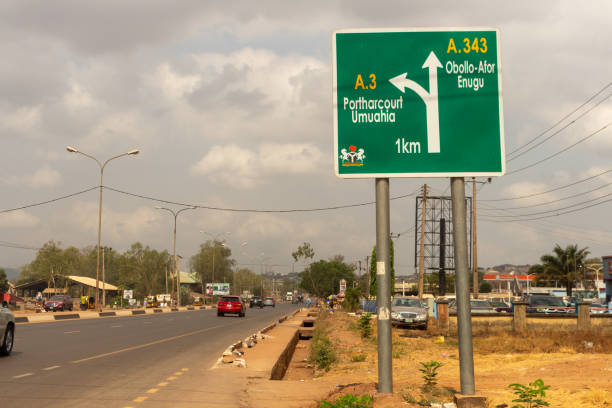
In Nigeria, speed limits are set by the Federal Road Safety Corps (FRSC) and depend on the type of road and type of vehicle. Drivers are expected to obey posted signs, but there are also general national limits.
Standard Speed Limits in Nigeria
🚗 1. Built-up / Urban Areas (Cities, Streets, Towns)
- 50 km/h
- Includes areas like:
- Lagos city roads
- Residential streets
- Markets and busy zones
🛣️ 2. Rural Roads (Open roads outside cities)
- 80 km/h
- Used on less congested inter-town roads
🛣️ 3. Highways / Expressways
- 100 km/h (cars)
- 90 km/h (buses and taxis)
- 60 km/h (trucks, tankers, heavy-duty vehicles)
🏫 4. Special Zones (Very important)
- School zones: 20–30 km/h
- Construction zones: 30–40 km/h
- Residential zones: often 30–50 km/h depending on signage
Speed Limits by Vehicle Type
| Vehicle Type | Built-up Area | Highway | Expressway |
|---|---|---|---|
| Private cars | 50 km/h | 80 km/h | 100 km/h |
| Taxis/Buses | 50 km/h | 80 km/h | 90 km/h |
| Motorcycles | 50 km/h | 50 km/h | — |
| Trucks/Tankers | 45–50 km/h | 50 km/h | 60 km/h |
(Source: FRSC Highway Code standards)
What Happens If You Exceed Speed Limits?
FRSC enforcement may include:
- Fines (commonly around ₦3,000 – ₦10,000 depending on violation level)
- Penalty points on licence
- Vehicle impoundment in serious cases
- Speed limiter enforcement (especially for commercial vehicles)
Why Speed Limits Matter in Nigeria
Speed limits are strict because:
- High accident rates from speeding
- Poor road conditions in many areas
- Sudden obstacles (potholes, pedestrians, animals)
- Mixed traffic (cars, trucks, motorcycles on same roads)
Common Real-Life Issue in Nigeria
Even though highways are marked 100 km/h, many drivers:
- Exceed limits due to open roads
- Ignore speed signs
- Misjudge braking distance in traffic
- Face FRSC radar checks on major expressways
Simple Rule for Safe Driving
- City → 50 km/h
- Rural roads → 80 km/h
- Highway → 100 km/h
- Heavy trucks → much lower (50–60 km/h)
Conclusion
Nigeria’s speed limits are designed to improve road safety and reduce accidents. The key is simple: slow down in cities, moderate on rural roads, and controlled speed on highways. Always follow posted signs because they override general limits.
