


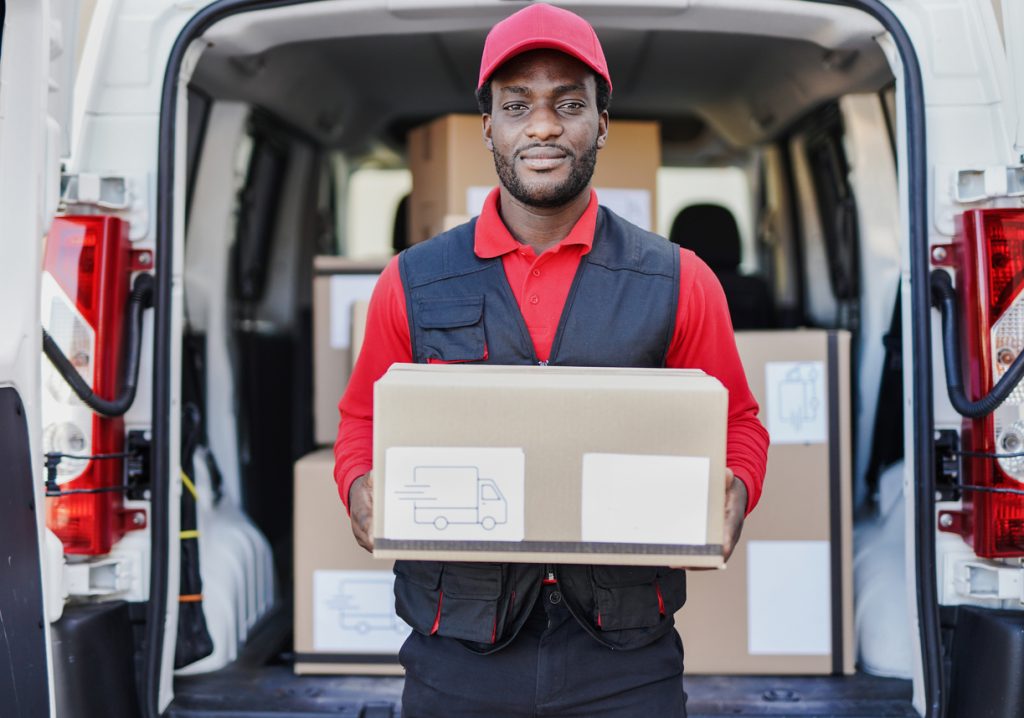
Food distribution logistics in Nigeria refers to the transportation, storage, handling, and delivery of food products from producers, processors, and importers to wholesalers, retailers, restaurants, supermarkets, and consumers.
It is a crucial component of Nigeria’s food supply chain, ensuring that food products reach markets efficiently while maintaining quality and safety.
What Food Distribution Logistics Involves
Food logistics covers the movement of:
- Fresh fruits and vegetables
- Grains and cereals
- Packaged foods
- Dairy products
- Frozen foods
- Beverages
- Poultry and meat products
- Imported food products
How Food Distribution Logistics Works
1. Food Sourcing
Products are sourced from:
- Farms
- Food processors
- Manufacturers
- Importers
- Distribution centers
2. Storage and Warehousing
Food is stored in:
- Standard warehouses
- Cold storage facilities
- Distribution centers
- Regional fulfillment hubs
3. Transportation
Products are transported using:
- Delivery vans
- Trucks
- Refrigerated vehicles
- Containerized transport
- Distribution fleets
4. Final Distribution
Food products are delivered to:
- Supermarkets
- Retail stores
- Restaurants
- Hotels
- Open markets
- Institutional buyers
Types of Food Distribution Logistics
Fresh Produce Distribution
For:
- Fruits
- Vegetables
- Perishable farm products
Requires rapid delivery and proper handling.
Cold Chain Logistics
Used for:
- Frozen foods
- Dairy products
- Meat and poultry
- Temperature-sensitive products
Requires refrigerated transportation and storage.
FMCG Food Distribution
Supports:
- Packaged foods
- Snacks
- Beverages
- Consumer food products
Bulk Food Logistics
Handles large-scale movement of:
- Rice
- Flour
- Sugar
- Grains
- Food ingredients
Major Food Distribution Channels in Nigeria
Wholesale Distribution
Food moves from producers to wholesalers before reaching retailers.
Retail Distribution
Direct delivery to supermarkets, stores, and food outlets.
Food Service Distribution
Supplies:
- Restaurants
- Hotels
- Catering companies
- Institutional kitchens
E-commerce Food Delivery
Supports online grocery and food ordering platforms.
Major Food Logistics Companies in Nigeria
Flour Mills of Nigeria
Operates one of Nigeria’s largest food distribution networks.
Nestlé Nigeria
Maintains extensive nationwide food distribution operations.
Dangote Group
Supports distribution of sugar, salt, pasta, and related products.
UAC Foods
Operates food supply and distribution systems across Nigeria.
Multipro Consumer Products
Provides nationwide distribution for major consumer brands.
MDS Logistics
Specializes in warehousing and nationwide FMCG distribution.
Benefits of Efficient Food Distribution Logistics
Reduced Food Waste
Faster transportation helps preserve freshness.
Better Product Availability
Ensures consistent supply to markets and retailers.
Improved Food Safety
Proper storage and transportation maintain quality standards.
Lower Supply Chain Costs
Optimized logistics improves operational efficiency.
Enhanced Consumer Access
Helps food products reach more communities nationwide.
Challenges in Nigeria
Poor Transportation Infrastructure
Road conditions can delay deliveries.
Limited Cold Chain Facilities
Insufficient refrigerated logistics affects perishables.
High Fuel Costs
Transportation expenses impact food prices.
Traffic Congestion
Particularly around major cities such as Lagos and Abuja.
Storage Constraints
Limited modern warehousing capacity in some regions.
Food Distribution Logistics vs General Logistics
| Food Distribution Logistics | General Logistics |
|---|---|
| Food-focused operations | Handles all cargo types |
| Often requires cold chain | Standard storage and transport |
| Time-sensitive products | Less perishable cargo |
| Strict quality standards | General handling procedures |
Importance to Nigeria’s Economy
Food distribution logistics is critical because it:
- Supports national food security
- Connects farmers and manufacturers to consumers
- Reduces post-harvest losses
- Supports retail and hospitality industries
- Improves agricultural value chains
- Strengthens economic growth
How Travo.ng Fits Into Food Distribution Logistics
Food producers and distributors focus on sourcing and sales, while logistics platforms help coordinate transportation operations.
Travo.ng supports:
- Food delivery route planning
- Fleet coordination
- Warehouse-to-retail distribution
- Cold-chain transport scheduling
- Inter-state food transportation
- Real-time shipment tracking
This helps food products move efficiently from production and storage facilities to final markets across Nigeria.
Conclusion
Food distribution logistics in Nigeria is a vital link between producers and consumers. Efficient transportation, warehousing, and distribution systems help maintain food quality, reduce waste, improve availability, and support economic development throughout the country.
