


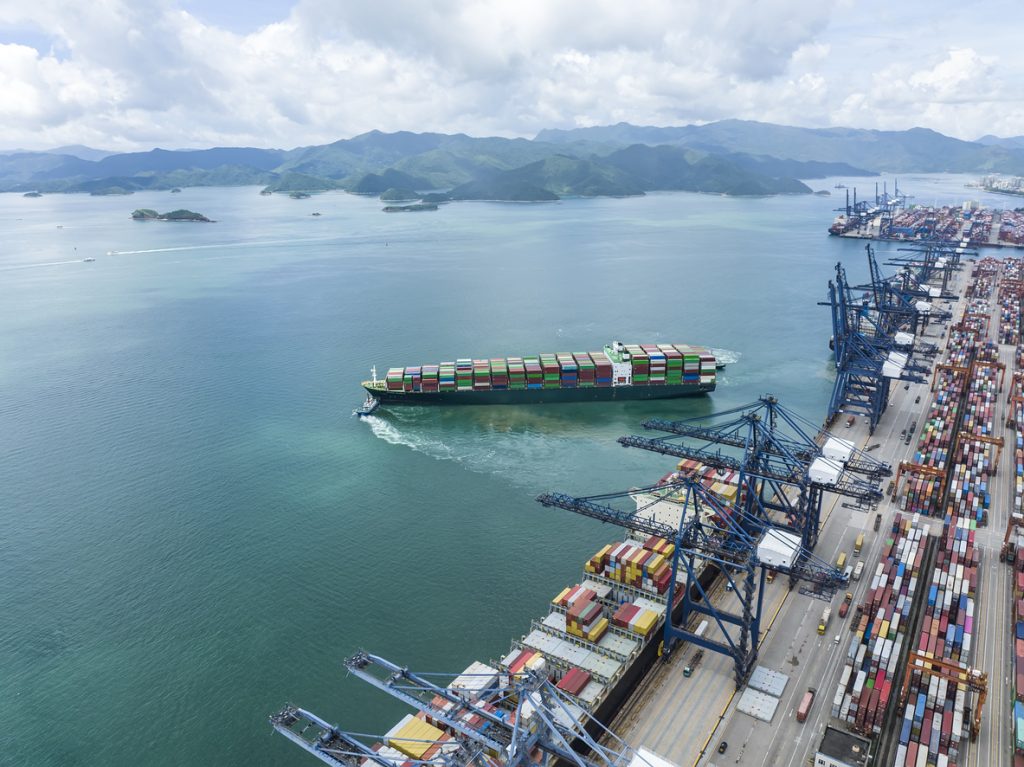
The maritime industry in Nigeria is one of the most important pillars of the country’s economy because it handles the majority of international trade. Over 80% of imports and exports move through seaports, making maritime operations central to trade, logistics, oil and gas, and national revenue generation.
In 2026, the sector is evolving through port modernization, digital customs systems, increased cargo volumes, and stronger private-sector participation in logistics and shipping services.
What the Maritime Industry Covers in Nigeria
The maritime industry includes all activities related to sea-based trade and transportation:
- Shipping and cargo movement
- Port operations and terminal management
- Customs clearance and cargo inspection
- Inland waterways transport
- Freight forwarding and logistics
- Offshore oil and gas logistics
- Shipbuilding and marine services
It is a full ecosystem that connects global trade to Nigeria’s domestic economy.
Major Seaports in Nigeria
Nigeria’s maritime activity is concentrated in key ports:
1. Lagos Ports (Apapa & Tin Can Island)
- Busiest port complex in Nigeria
- Handles most container imports
- High traffic of FMCG, electronics, machinery
2. Lekki Deep Sea Port
- Modern deep-water port
- Built to handle larger vessels
- Reduces pressure on Apapa and Tin Can
3. Port Harcourt Port
- Strong oil and gas logistics activity
- Serves eastern Nigeria industries
4. Onne Port
- Major hub for oil and industrial cargo
- Free trade zone operations
These ports collectively handle the bulk of Nigeria’s maritime trade.
Why the Maritime Industry Is Critical to Nigeria’s Economy
The industry supports:
- National import and export trade
- Government revenue through customs duties
- Oil and gas logistics operations
- Manufacturing supply chains
- FMCG distribution systems
- Regional West African trade flows
Without maritime infrastructure, Nigeria’s trade-driven economy cannot function effectively.
Key Segments of the Maritime Industry
1. Shipping and Cargo Transport
This includes:
- Container shipping lines
- Bulk cargo vessels
- Tankers for oil and gas
- Breakbulk shipping
2. Port Operations
Managed by terminal operators responsible for:
- Cargo unloading and storage
- Container handling
- Yard management
- Vessel scheduling
3. Freight Forwarding and Clearing
These professionals handle:
- Import documentation
- Customs clearance
- Cargo release processes
4. Inland Waterways Transport
Nigeria also has inland waterways used for:
- Cargo movement between coastal states
- Passenger transport in some regions
Current Challenges in Nigeria’s Maritime Industry
Despite its importance, the sector faces major operational challenges:
- Port congestion, especially in Lagos
- High demurrage and storage charges
- Poor road access to port terminals
- Delays in customs clearance
- Inefficient cargo evacuation systems
- Exchange rate volatility affecting import costs
These issues increase landed cost and slow down supply chains.
Recent Developments in the Maritime Sector
1. Port Modernization Projects
Nigeria is investing in:
- New deep-sea port infrastructure (Lekki)
- Terminal upgrades in Lagos ports
- Digital customs systems
2. Push for Digital Trade Systems
The government is moving toward:
- Paperless customs clearance
- Integrated port community systems
- Faster cargo tracking and inspection
3. Shift Toward Larger Vessels
Modern ports are being designed to accommodate:
- Bigger container ships
- Higher cargo volumes
- More efficient shipping routes
Opportunities in Nigeria’s Maritime Industry
1. Shipping and Freight Services
High demand for:
- Freight forwarding companies
- Container logistics operators
- Cargo handling services
2. Port Logistics and Distribution
Opportunities include:
- Inland transport from ports
- Warehousing and storage
- Last-mile distribution networks
3. Maritime Support Services
Including:
- Marine equipment supply
- Vessel maintenance
- Shipping documentation services
4. Oil and Gas Marine Logistics
A major revenue segment involving:
- Offshore supply vessels
- Oil terminal logistics
- Industrial shipping support
Role of Maritime Industry in Trade and Importation
Every imported product in Nigeria depends on maritime systems for:
- Entry into the country
- Customs processing
- Cargo clearance
- Inland distribution
This means maritime efficiency directly affects:
- Product pricing
- Availability of goods
- Business profitability
How Logistics Connects to Maritime Operations
The maritime industry does not end at the port. The real challenge begins after cargo arrival:
- Moving goods from port to warehouses
- Clearing congested terminals
- Coordinating trucks and fleets
- Delivering across states
Inefficient inland logistics often causes more delays than shipping itself.
How Travo.ng Supports Maritime-Linked Logistics
While ports handle cargo arrival, logistics determines how fast goods reach the market.
Travo.ng supports maritime trade operations through:
- Port-to-warehouse cargo movement
- Inland transportation coordination
- Fleet deployment for importers
- Interstate logistics execution
- Distribution support for businesses
- Supply chain coordination services
This helps businesses move goods efficiently after clearance from Nigerian ports.
Future Outlook of Nigeria’s Maritime Industry
The industry is expected to grow through:
- Expansion of deep-sea ports
- Increased private sector investment
- Digital transformation of customs systems
- Improved regional trade integration (AfCFTA)
- Greater use of logistics technology
As trade volumes increase, maritime efficiency will become even more critical to Nigeria’s economic competitiveness.
