


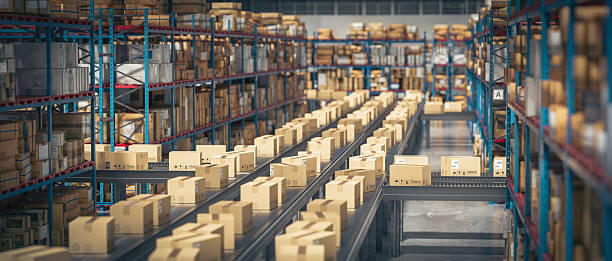
A global logistics asset management partner is a specialized organization that manages transportation and logistics assets across multiple regions or countries on behalf of investors, corporations, or institutions. These partners handle the full lifecycle of logistics assets—deployment, operations, maintenance, demand sourcing, and performance reporting—while ensuring consistency across different markets and regulatory environments.
In today’s interconnected trade environment, logistics is no longer local. Supply chains span continents, and asset performance depends on coordinated management across borders, ports, corridors, and distribution hubs.
This is why investors increasingly rely on global management partners instead of fragmented regional operators.
Why Global Logistics Asset Management Is Becoming Essential
As logistics networks expand internationally, asset ownership has become more complex.
Key drivers include:
- Cross-border trade expansion and global supply chains
- Growth of multinational e-commerce and distribution systems
- Increased outsourcing of logistics by global corporations
- Need for standardized performance reporting across regions
- Rising demand for integrated freight and mobility infrastructure
Without centralized management, logistics assets become inefficient and difficult to scale globally.
What a Global Logistics Asset Management Partner Actually Does
1. Multi-Region Fleet Coordination
Assets are managed across countries and corridors:
- International freight trucking networks
- Cross-border cargo distribution systems
- Port-to-inland logistics operations
- Regional delivery and last-mile networks
Each region operates under a unified performance framework.
2. Unified Operational Standards
To ensure consistency across markets, partners implement:
- Standard dispatch and scheduling systems
- Unified driver and operator training standards
- Global compliance and safety protocols
- Centralized operating procedures
This reduces fragmentation across regions.
3. Demand Aggregation Across Markets
Global partners connect assets to diverse logistics demand sources:
- FMCG multinational distribution chains
- Global e-commerce fulfillment networks
- Industrial and manufacturing supply chains
- International freight forwarding systems
This ensures continuous utilization across markets.
4. Asset Lifecycle and Maintenance Management
Across global operations, asset preservation is critical:
- Preventive maintenance systems standardized globally
- Cross-region repair coordination
- Asset performance benchmarking
- Lifecycle planning and replacement strategies
This protects capital at scale.
5. Global Performance Reporting and Analytics
Investors receive unified reporting across all markets:
- Revenue performance by region
- Asset utilization comparisons
- Cost-to-income ratios globally
- Risk exposure and operational efficiency metrics
- Portfolio-wide logistics performance dashboards
This enables institutional-level decision-making.
Why Global Logistics Assets Require Professional Management
Managing logistics assets across multiple regions introduces complexity:
- Different regulatory environments per country
- Varying infrastructure quality and road conditions
- Currency fluctuations affecting operational costs
- Cultural and operational differences in workforce management
- Cross-border delays and customs processes
Without centralized management, performance becomes inconsistent.
How Returns Are Generated in Global Logistics Asset Systems
Returns come from coordinated efficiency across regions:
- High utilization across global fleets
- Optimized routing across international corridors
- Strong contract-based logistics demand
- Reduced downtime through predictive maintenance
- Economies of scale in global operations
The more integrated the system, the stronger the returns.
The Role of Technology in Global Logistics Management
Modern global partners rely on advanced systems such as:
- Global GPS and telematics tracking platforms
- AI-driven route optimization across regions
- Unified logistics management systems (LMS)
- Predictive maintenance and asset intelligence tools
- Real-time investor dashboards across countries
Technology enables visibility, coordination, and scalability.
Why Investors Prefer Global Logistics Management Partners
Investors choose global partners because they provide:
- Operational consistency across multiple markets
- Reduced management complexity
- Standardized reporting and governance
- Scalable infrastructure for expansion
- Risk diversification across regions
This turns logistics assets into global investment portfolios rather than isolated vehicles.
How Travo.ng Fits Within the Logistics Ecosystem
Within logistics markets such as Nigeria and broader West Africa, Travo.ng supports execution and coordination functions that align with global logistics systems by enabling efficient asset deployment and real-world logistics operations.
Travo.ng assists with:
- Cargo and delivery coordination
- Transport scheduling and dispatch execution
- Fleet deployment support
- Vehicle hire and logistics arrangements
- Interstate logistics coordination
- Business logistics execution support
This supports the operational layer that connects assets to actual logistics demand environments.
The Future of Global Logistics Asset Management
The industry is evolving toward:
- Fully integrated global logistics platforms
- Cross-border asset management ecosystems
- AI-optimized supply chain networks
- Institutional-grade logistics investment structures
- Unified digital dashboards for global portfolios
As global trade expands, logistics asset management will increasingly operate as a borderless infrastructure investment class.
