


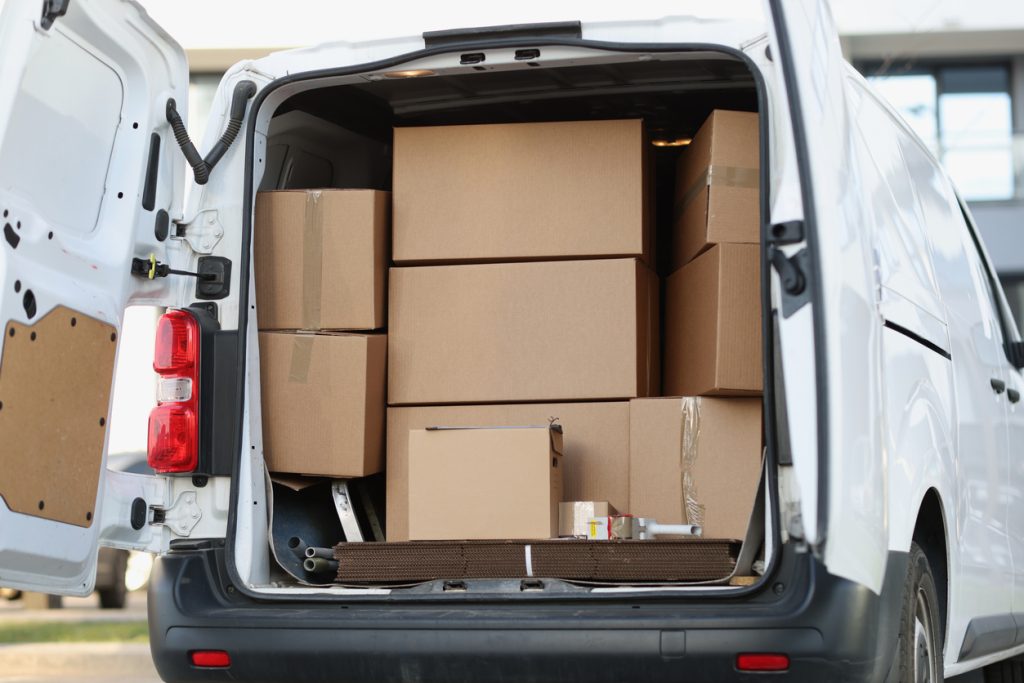
End-to-end logistics asset management solutions refer to a complete, structured system that handles every stage of a logistics asset’s lifecycle—from acquisition and deployment to operations, maintenance, tracking, and revenue optimization.
In Nigeria’s logistics environment, where transport demand is high but operations are often fragmented, this model is designed to eliminate inefficiencies by ensuring that logistics assets such as trucks, vans, and cargo equipment are fully managed as a unified system rather than scattered, unmanaged tools.
The goal is simple: every asset should consistently move, earn, and be optimized without operational gaps.
Why End-to-End Logistics Management Is Becoming Essential
Logistics operations in Nigeria are complex due to real-world conditions that affect performance daily.
These include:
- Heavy traffic congestion in Lagos and other major cities
- High fuel costs impacting operational margins
- Road infrastructure challenges increasing maintenance needs
- Seasonal demand fluctuations across supply chains
- Interstate delays and regulatory checkpoints
- Unpredictable logistics demand patterns
Without a full management system, these challenges quickly reduce asset profitability.
What “End-to-End” Actually Means in Logistics Asset Management
End-to-end management means one coordinated system handles all logistics functions instead of separating ownership and operations.
It covers the entire lifecycle of logistics assets:
1. Asset Acquisition and Structuring
This includes selecting and acquiring the right logistics assets based on demand realities such as:
- Trucks for interstate cargo movement
- Vans for urban and last-mile delivery
- Specialized vehicles for cold chain or heavy cargo logistics
Assets are chosen based on profitability potential, not just purchase price.
2. Deployment and Fleet Allocation
Once acquired, assets are deployed into active logistics demand zones such as:
- Lagos ↔ Abuja freight corridor
- Lagos ↔ Port Harcourt industrial supply routes
- Onitsha ↔ Northern Nigeria trade logistics network
- Lagos ↔ Ibadan FMCG distribution routes
- Lekki industrial and export logistics zones
Proper deployment ensures continuous utilization.
3. Operations and Dispatch Management
This stage handles daily logistics execution:
- Trip scheduling and coordination
- Load matching between demand and available assets
- Route assignment and optimization
- Managing delivery timelines and efficiency
It ensures assets are always actively engaged in revenue-generating work.
4. Driver and Personnel Management
Operational staff are managed through:
- Recruitment and onboarding
- Performance monitoring
- Safety and compliance enforcement
- Productivity tracking and reporting
Drivers play a key role in asset efficiency and utilization.
5. Maintenance and Asset Lifecycle Control
To protect asset value and reduce downtime:
- Preventive maintenance scheduling
- Real-time condition monitoring
- Breakdown response systems
- Long-term replacement planning
Well-maintained assets generate higher returns over time.
6. Performance Tracking and Reporting
Investors and stakeholders receive structured insights such as:
- Revenue per asset
- Cost per trip and per route
- Utilization rates across the fleet
- Downtime and operational efficiency metrics
- Net profitability reports
This creates full visibility across the entire system.
Why Fragmented Logistics Management Fails
Many logistics operations underperform because responsibilities are split across different parties.
Common issues include:
- Lack of coordination between demand and supply
- Idle or underutilized assets
- Poor maintenance discipline
- Weak route planning and inefficiency
- No clear performance tracking system
Without end-to-end structure, logistics becomes reactive instead of strategic.
How End-to-End Systems Improve Profitability
A fully integrated logistics management system improves returns through:
Higher Asset Utilization
Assets are continuously deployed instead of sitting idle.
Reduced Operational Waste
Fuel consumption, downtime, and empty trips are minimized.
Better Demand Matching
Assets are aligned with real logistics demand across regions.
Stronger Cost Control
Maintenance and operational costs are managed proactively.
Predictable Performance
Investors gain clear visibility into returns and efficiency.
Real-World Logistics Conditions in Nigeria
End-to-end logistics systems are built to operate under practical conditions such as:
- Lagos traffic congestion affecting delivery speed and fuel efficiency
- Road infrastructure variability increasing maintenance frequency
- Seasonal spikes in logistics demand during holidays and trade cycles
- Interstate logistics delays and checkpoints
- Fuel price fluctuations affecting operational costs
These realities make structured management essential for sustainable logistics performance.
Where Value Is Created in End-to-End Logistics Systems
Returns are generated through operational efficiency, not just ownership.
Key value drivers include:
- Continuous asset deployment
- Efficient route planning and execution
- Strong logistics demand flow
- Reduced downtime between trips
- Controlled operational and maintenance costs
The more coordinated the system, the stronger the financial performance.
The Role of Technology in End-to-End Logistics Management
Modern systems rely heavily on digital infrastructure such as:
- GPS tracking and real-time fleet monitoring
- Dispatch and logistics management platforms
- Route optimization tools
- Maintenance scheduling systems
- Performance analytics dashboards
Technology ensures transparency, efficiency, and scalability.
How Travo.ng Supports End-to-End Logistics Asset Management
Within Nigeria’s logistics ecosystem, Travo.ng supports practical coordination and execution services that align with end-to-end logistics management principles.
Travo.ng assists with:
- Cargo and delivery coordination
- Transport scheduling and dispatch planning
- Fleet deployment support
- Vehicle hire and logistics arrangements
- Interstate logistics coordination
- Business logistics execution support
This ensures logistics assets are actively utilized and properly coordinated in real operational environments.
The Future of End-to-End Logistics Asset Management
The logistics industry is moving toward fully integrated systems where:
- Asset ownership and operations are unified
- Demand is matched in real time with available capacity
- Investors gain full visibility into performance
- Operations are technology-driven and automated
- Logistics systems scale across multiple cities and regions
As global and local logistics demand continues to grow, end-to-end management will become the standard model for efficient and profitable transport asset operations.
