


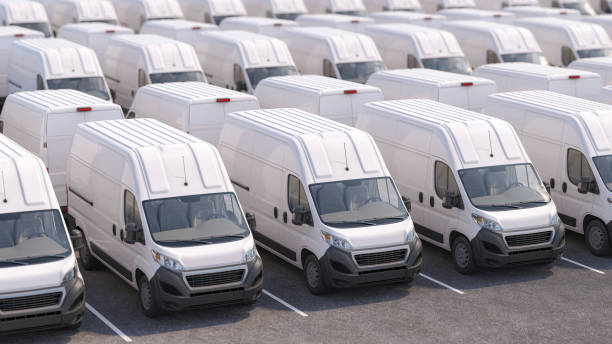
Asset-light logistics investment opportunities are becoming one of the most practical ways for individuals and institutional investors to participate in the logistics industry without the heavy burden of owning physical assets like trucks, warehouses, or delivery fleets.
In Nigeria’s fast-growing transport and e-commerce environment, logistics demand is rising faster than infrastructure expansion. This gap has created space for investment models where the focus is not on owning assets, but on funding, structuring, or enabling logistics operations that generate consistent cash flow.
Instead of buying vehicles or building depots, investors participate in logistics revenue streams through coordination systems, service platforms, and demand-driven logistics networks.
Why Asset-Light Logistics Is Gaining Attention
Traditionally, logistics investment meant heavy capital spending:
- Buying trucks and delivery vans
- Hiring and managing drivers
- Maintaining vehicles
- Handling fuel and repair costs
- Managing operational risks
But in reality, many investors discovered that ownership comes with high operational stress and unpredictable costs.
Asset-light logistics solves this by shifting focus from ownership to coordination and demand fulfillment.
Key drivers behind its growth include:
- Rising demand for delivery services in cities like Lagos, Abuja, and Port Harcourt
- Expansion of e-commerce and retail distribution
- Growth in SME logistics outsourcing
- Increasing preference for outsourced fleet operations
- Need for scalable logistics without capital-heavy infrastructure
What Asset-Light Logistics Actually Means
Asset-light logistics is a model where value is created without directly owning physical logistics infrastructure.
Instead of owning trucks, warehouses, or fleets, participation happens through:
- Logistics coordination platforms
- Demand aggregation systems
- Delivery matching services
- Freight brokerage and routing networks
- Transport service facilitation
The focus is on connecting demand (customers who need delivery) with supply (available logistics providers).
Types of Asset-Light Logistics Investment Models
There are several ways investors can participate in this growing space.
Logistics Coordination Networks
These systems focus on connecting businesses that need transport with verified logistics providers.
Revenue is typically generated through:
- Service fees per transaction
- Commission on deliveries
- Contract-based coordination agreements
Freight Matching and Brokerage Systems
Here, investors support platforms that match cargo owners with available transport operators.
Common use cases include:
- Interstate cargo movement
- Commercial bulk goods transportation
- Retail distribution logistics
- FMCG supply chain coordination
Digital Logistics Platforms
Technology-driven platforms help manage:
- Delivery bookings
- Route optimization
- Fleet availability tracking
- Real-time logistics coordination
These platforms generate income through subscriptions, commissions, or usage fees.
Demand Aggregation Models
Instead of owning logistics capacity, these models aggregate demand from multiple businesses and distribute it to logistics providers.
This improves efficiency and reduces idle capacity in the system.
Why Investors Prefer Asset-Light Logistics Models
Compared to traditional logistics investment, asset-light systems offer several advantages:
Lower Capital Requirement
No need to purchase:
- Trucks
- Warehouses
- Fuel storage systems
- Maintenance infrastructure
Reduced Operational Risk
Investors are not responsible for:
- Vehicle breakdowns
- Driver management
- Fuel price volatility
- Road-related operational issues
Faster Scalability
Digital or coordination-based logistics models can scale across:
- Multiple cities
- Multiple regions
- Different customer segments
Without physical expansion costs.
Flexible Revenue Structure
Income can be generated through:
- Transaction fees
- Platform commissions
- Subscription models
- Service contracts
Real-World Logistics Reality in Nigeria
In Nigeria, logistics is heavily influenced by practical conditions such as:
- Lagos traffic congestion affecting delivery timing
- High demand for same-day and next-day delivery services
- Growing SME reliance on outsourced logistics
- Interstate cargo movement between major commercial hubs
- Seasonal spikes in demand during festive periods
These realities make coordination-based logistics systems especially valuable because they improve efficiency without increasing asset ownership burden.
Where the Real Value Is Created
In asset-light logistics, value is not in trucks or warehouses—it is in flow and coordination.
Profitability comes from:
- Matching demand with available logistics capacity
- Reducing idle time for logistics providers
- Increasing delivery efficiency per trip
- Aggregating high-volume logistics demand
- Streamlining routing and scheduling
The stronger the coordination system, the more efficient the entire logistics ecosystem becomes.
Challenges in Asset-Light Logistics Models
While attractive, this model also comes with challenges:
- Dependence on third-party logistics providers
- Need for strong operational coordination systems
- Quality control across multiple service partners
- Technology and platform reliability requirements
- Trust-building with customers and logistics operators
Success depends heavily on execution quality, not just concept.
How Travo.ng Fits Into Asset-Light Logistics
Within Nigeria’s logistics ecosystem, Travo.ng operates in a practical, execution-focused role by supporting coordination between customers and logistics services.
Travo.ng helps with:
- Cargo and delivery coordination
- Transport booking and scheduling
- Vehicle hire and deployment arrangements
- Interstate logistics planning
- Business logistics support
- Movement execution across Nigerian routes
This type of structure aligns closely with asset-light logistics principles, where the focus is on enabling movement rather than owning the infrastructure behind it.
The Future of Asset-Light Logistics Investment
The logistics industry is gradually shifting toward platform-based and coordination-driven models.
Future trends include:
- Increased use of digital freight marketplaces
- AI-driven logistics matching systems
- Real-time delivery optimization platforms
- Growth of outsourced logistics networks
- Expansion of SME logistics outsourcing models
As demand for fast and reliable delivery increases, asset-light logistics systems are expected to play a larger role in how goods move across cities and borders.
