


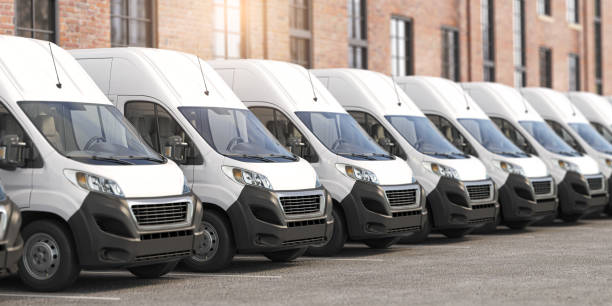
Alternative investment in transportation assets refers to investing in vehicles, fleets, and transportation-related infrastructure outside of traditional asset classes such as stocks, bonds, and mutual funds. These investments generate returns through commercial transportation activities, logistics operations, leasing arrangements, and asset appreciation.
As global trade, e-commerce, and logistics demand continue to expand, transportation assets have become an increasingly attractive option for investors seeking diversification and exposure to real economic activity.
What alternative investment in transportation assets means
Transportation assets are physical assets used to move people, goods, and services across local, regional, and international markets.
These investments typically include:
- Motorcycles and delivery bikes
- Vans and light commercial vehicles
- Trucks and freight fleets
- Buses and passenger transport assets
- Aircraft and aviation assets
- Logistics infrastructure and support equipment
Unlike traditional investments, transportation assets generate value through active commercial use.
Why investors consider transportation assets
Many investors seek alternatives to traditional financial markets to reduce concentration risk and access different income opportunities.
Transportation assets may offer:
- Portfolio diversification
- Exposure to logistics and trade growth
- Asset-backed investment structures
- Potential recurring income streams
- Participation in real economic activity
- Long-term infrastructure value
Types of transportation asset investments
1. Delivery motorcycle investments
Motorcycles are widely used in last-mile logistics.
Applications include:
- Courier services
- Food delivery operations
- E-commerce parcel delivery
- Medical and pharmacy logistics
2. Commercial van investments
Vans support urban and regional distribution networks.
Applications include:
- Retail distribution
- Business logistics operations
- Intercity deliveries
- E-commerce fulfillment services
3. Freight truck investments
Trucks are essential to supply chain movement.
Applications include:
- Bulk cargo transportation
- Industrial logistics
- Interstate freight services
- Port and terminal haulage
4. Aviation asset investments
Aircraft represent a specialized transportation investment category.
Applications include:
- Air cargo operations
- Charter services
- Leasing arrangements
- Time-sensitive logistics transportation
5. Logistics infrastructure investments
Transportation systems rely on supporting infrastructure.
Examples include:
- Warehouses
- Distribution centers
- Fleet maintenance facilities
- Cold-chain logistics systems
How transportation asset investments generate value
Returns may be created through several channels:
Operational income
Revenue generated from transport or logistics services.
Leasing income
Income earned from leasing assets to operators.
Asset appreciation
Potential increase in value of supporting infrastructure or strategic assets.
Revenue-sharing arrangements
Participation in earnings generated by managed fleet operations.
Key factors influencing performance
Several variables affect transportation asset investments:
- Asset utilization rates
- Market demand for logistics services
- Maintenance and operating costs
- Fuel prices and efficiency
- Regulatory compliance requirements
- Management quality and operational efficiency
Benefits of alternative transportation investments
Diversification
Provides exposure beyond traditional financial markets.
Tangible assets
Investments are backed by physical transportation equipment.
Logistics sector growth
Benefits from increasing demand for delivery and freight services.
Multiple revenue pathways
Income can come from operations, leasing, or partnerships.
Scalability
Investors can expand across different transportation categories.
Challenges and considerations
Investors should also evaluate potential challenges, including:
- Asset depreciation
- Maintenance expenses
- Fuel price fluctuations
- Economic and trade cycles
- Regulatory changes
- Operational performance risks
Key performance indicators (KPIs)
Transportation asset investments are often evaluated using:
- Return on investment (ROI)
- Asset utilization rate
- Revenue per asset
- Operating margin
- Maintenance cost ratio
- Downtime rate
- Cash flow performance
- Payback period
Technology driving transportation asset performance
Modern transportation investment models often rely on:
- GPS tracking and telematics
- Fleet management platforms
- Predictive maintenance systems
- Route optimization technology
- Fuel monitoring tools
- Real-time analytics dashboards
These technologies help improve operational visibility and efficiency.
The role of logistics coordination
Transportation assets achieve their greatest value when integrated into efficient logistics systems.
These systems may include:
- E-commerce fulfillment networks
- Courier and express delivery services
- Freight transportation operations
- Supply chain distribution systems
- Last-mile delivery networks
Strong logistics coordination helps maximize asset productivity and operational performance.
How Travo.ng supports logistics coordination
While alternative transportation asset investments focus on ownership and financial performance, logistics coordination ensures efficient movement of goods across transportation networks.
Travo.ng supports logistics operations through:
- Cargo consolidation and freight coordination
- Intercity and interstate delivery services
- Port-to-destination logistics support
- Supply chain coordination across Nigeria
- End-to-end logistics execution for cargo movement
These services help improve asset utilization and support efficient logistics operations.
Final thoughts
Alternative investment in transportation assets provides investors with exposure to a sector that supports commerce, trade, and economic activity. From motorcycles and delivery vans to trucks, aircraft, and logistics infrastructure, transportation assets offer a tangible way to participate in the movement of goods and services.
When supported by professional management, operational efficiency, and effective logistics coordination, transportation assets can become a valuable component of a diversified investment strategy.
