


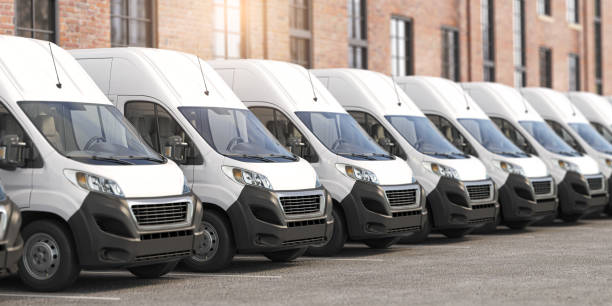
Commercial transportation asset management refers to the structured oversight, control, and optimization of transport assets used for business and logistics operations. These assets include motorcycles, vans, trucks, buses, aircraft, and other mobility equipment deployed to move people or goods for commercial purposes.
The goal is to ensure every transportation asset is fully utilized, properly maintained, cost-efficient, and consistently generating revenue.
What commercial transportation asset management means
This system focuses on managing the full lifecycle of transport assets used in commercial operations.
It includes:
- Asset acquisition and procurement
- Fleet deployment and utilization
- Driver and operator management
- Maintenance and repair coordination
- Fuel and energy optimization
- Real-time tracking and monitoring
- Cost control and financial reporting
- Return on investment (ROI) analysis
In simple terms, it ensures transportation assets function as profitable business tools rather than idle capital.
Why commercial transportation asset management is important
Transportation assets are expensive and require continuous oversight to remain profitable.
Without structured management, businesses may experience:
- Low asset utilization
- High maintenance and operational costs
- Inefficient routing and scheduling
- Poor fuel management
- Frequent downtime
- Weak return on investment (ROI)
Asset management systems solve these problems through structure, data, and operational control.
Core components of commercial transportation asset management
1. Asset acquisition and lifecycle planning
Ensures the right vehicles are selected and deployed.
This includes:
- Procurement of transport vehicles
- Cost-benefit and lifecycle analysis
- Financing or leasing structures
- Registration and regulatory compliance
- Depreciation and replacement planning
2. Fleet operations and dispatch management
Handles daily transport activities.
This includes:
- Route planning and scheduling
- Load assignment and dispatching
- Driver or rider coordination
- Delivery and freight execution
- Demand-based deployment
3. Maintenance and asset reliability
Ensures vehicles remain operational and safe.
This includes:
- Preventive maintenance scheduling
- Predictive diagnostics
- Repair and workshop coordination
- Spare parts management
- Breakdown recovery systems
4. Fuel and cost efficiency management
Controls major operational expenses.
This includes:
- Fuel consumption tracking
- Driver behavior analysis
- Cost-per-trip monitoring
- Route optimization
- Budget control systems
5. Real-time tracking and visibility
Improves transparency and accountability.
This includes:
- GPS tracking of all assets
- Live route monitoring
- Geofencing and zone management
- Operational dashboards
- Utilization tracking
6. Financial performance and ROI tracking
Measures profitability of assets.
This includes:
- Revenue per asset tracking
- Cost breakdown analysis
- Net profit calculations
- Maintenance cost ratio
- ROI and payback period analysis
Key performance indicators (KPIs)
Commercial transportation asset management is measured using:
- Asset utilization rate
- Cost per delivery or trip
- Fuel efficiency
- Maintenance cost ratio
- Downtime rate
- Revenue per asset
- Delivery success rate
- Return on investment (ROI)
Benefits of commercial transportation asset management
Higher asset productivity
Ensures vehicles generate maximum value.
Reduced operational costs
Minimizes fuel and maintenance waste.
Improved service reliability
Reduces delays and breakdowns.
Better financial performance
Increases ROI through optimization.
Scalable operations
Supports growth in logistics and transport networks.
Challenges in transportation asset management
Despite benefits, challenges include:
- High fuel price volatility
- Maintenance unpredictability
- Driver behavior inconsistency
- Traffic and infrastructure limitations
- Asset depreciation over time
Risks of poor asset management
Without structured systems, companies may face:
- Low asset utilization
- High operational costs
- Frequent breakdowns
- Weak profitability
- Poor customer satisfaction
- Reduced ROI
Technology used in transportation asset management
Modern systems rely on:
- GPS tracking and telematics
- Fleet management software
- AI-powered route optimization
- Predictive maintenance systems
- Fuel monitoring tools
- Mobile driver applications
- Real-time analytics dashboards
These technologies improve efficiency, transparency, and decision-making.
Where logistics coordination fits into transportation asset management
Commercial transportation assets operate within broader logistics systems such as:
- E-commerce fulfillment networks
- Courier and express delivery services
- Freight and cargo logistics
- Urban last-mile delivery
- Intercity and international transport networks
Efficient coordination ensures maximum asset utilization and profitability.
How Travo.ng supports logistics coordination
While commercial transportation asset management focuses on optimizing vehicles and operations, logistics coordination ensures smooth movement of goods across supply chains.
Travo.ng supports logistics operations through:
- Cargo consolidation and freight coordination
- Intercity and interstate delivery services
- Port-to-destination logistics support
- Supply chain coordination across Nigeria
- End-to-end logistics execution for cargo movement
This enhances asset utilization and strengthens overall transportation efficiency.
Final thoughts
Commercial transportation asset management transforms vehicles into structured, revenue-generating business assets. Through operational control, maintenance systems, financial tracking, and technology integration, businesses can maximize efficiency and return on investment.
In modern logistics, success depends not just on owning transportation assets, but on how effectively they are managed across their entire lifecycle.
