


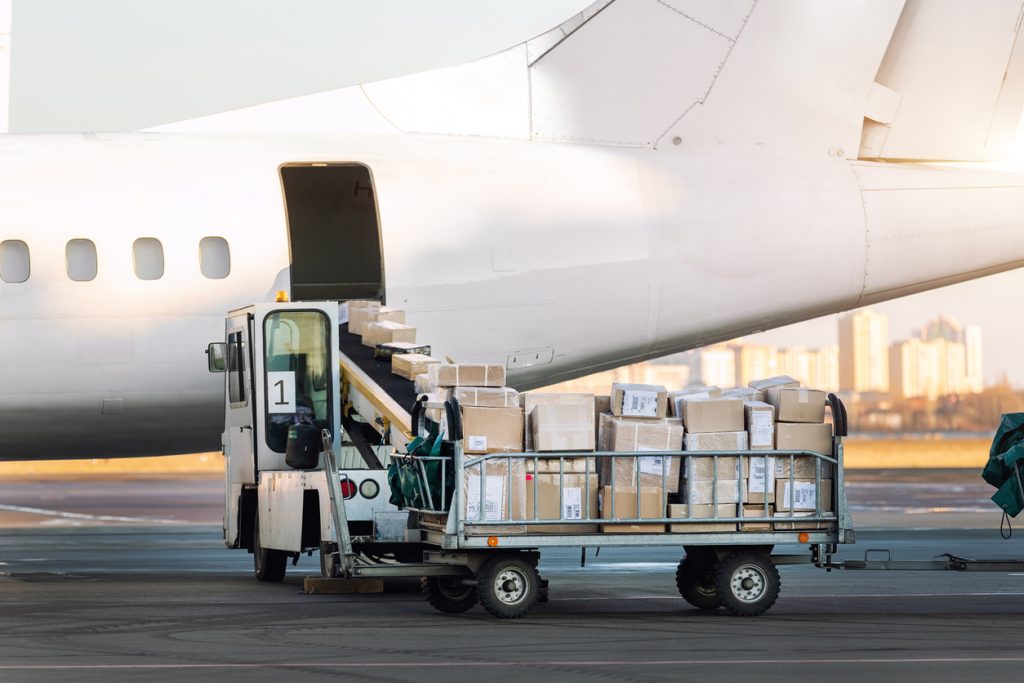
Cargo airline management services refer to the professional oversight and operation of air freight airlines or cargo fleets on behalf of owners, investors, or logistics companies. These services focus on ensuring that cargo aircraft are efficiently operated, fully utilized, compliant with aviation regulations, and financially optimized to generate consistent revenue from freight operations.
With global trade and e-commerce expanding rapidly, cargo aviation has become a critical part of international supply chains, and professional management is essential for profitability and reliability.
What cargo airline management services mean
Cargo airline management involves the end-to-end administration of air freight operations, including aircraft, crew, routes, and commercial logistics.
A cargo airline management company typically handles:
- Cargo flight operations and dispatch coordination
- Aircraft fleet scheduling and utilization optimization
- Freight booking and client management
- Load planning and weight distribution
- Maintenance and airworthiness oversight
- Crew management (pilots and loadmasters)
- Regulatory compliance and safety management
- Financial reporting and revenue optimization
In simple terms, it turns cargo aircraft into structured, revenue-generating logistics assets.
Why cargo airline management services are important
Cargo aircraft are high-cost, high-value operational assets.
Without professional management, operators may experience:
- Low aircraft utilization rates
- Inefficient cargo routing and scheduling
- High fuel and maintenance costs
- Poor load factor optimization
- Regulatory compliance risks
- Weak return on investment (ROI)
Cargo airline management ensures that every flight is optimized for revenue and efficiency.
Core components of cargo airline management services
1. Cargo flight operations management
Efficient flight operations are the foundation of cargo aviation.
This includes:
- Flight planning and dispatch coordination
- Route optimization for freight efficiency
- Airport and airspace coordination
- Customs and cargo documentation support
- Real-time flight monitoring
2. Cargo capacity and load optimization
Maximizing aircraft payload is critical for profitability.
Management includes:
- Weight and balance calculations
- Cargo space optimization
- Container and pallet configuration planning
- Dangerous goods handling compliance
- Load factor optimization strategies
3. Fleet utilization management
Cargo aircraft must be continuously deployed to generate revenue.
This involves:
- Reducing aircraft downtime
- Scheduling back-to-back freight missions
- Balancing regional and international routes
- Matching aircraft type to cargo demand
- Optimizing turnaround times
4. Maintenance and technical oversight
Cargo aircraft require strict maintenance to ensure reliability.
Services include:
- Scheduled maintenance planning
- Engine performance monitoring
- Predictive maintenance systems
- Aircraft-on-ground (AOG) recovery support
- Coordination with certified MRO providers
5. Crew and operational staffing
Cargo airlines require specialized personnel.
This includes:
- Pilot recruitment and rotation
- Loadmaster and cargo handling staff management
- Crew scheduling and fatigue compliance
- Training and certification tracking
6. Regulatory compliance and safety management
Cargo airlines must comply with global aviation regulations.
Management ensures:
- Compliance with ICAO, FAA, and EASA standards
- Dangerous goods regulations (IATA DGR compliance)
- Aircraft certification and registration
- Safety management systems (SMS)
- Insurance and liability coverage
7. Commercial freight and revenue management
Revenue optimization is a core function.
This includes:
- Cargo pricing strategy and yield management
- Freight contract negotiation
- Charter cargo booking management
- Customer and logistics partner relationships
- Seasonal demand forecasting
8. Financial management and reporting
Transparent financial performance tracking is essential.
Reports include:
- Revenue per flight hour
- Cost per ton-kilometer
- Operating profit margins
- Maintenance cost breakdown
- ROI and asset performance metrics
Types of cargo airline management models
1. Dedicated cargo airline management
Full operation of cargo airline fleets for owners or investors.
2. Charter cargo management model
On-demand freight services for businesses and logistics providers.
3. Scheduled cargo operations model
Fixed-route air freight services between major logistics hubs.
4. Hybrid cargo airline model
Combination of scheduled services and charter cargo flights.
5. E-commerce logistics integration model
Focused on fast delivery for online retail supply chains.
Key performance indicators (KPIs)
Cargo airline management performance is measured using:
- Aircraft utilization rate
- Load factor efficiency
- Revenue per flight hour
- Cost per ton-kilometer
- On-time delivery performance
- Maintenance downtime rate
- Return on investment (ROI)
These KPIs determine both operational efficiency and financial success.
Benefits of cargo airline management services
Higher aircraft utilization
Aircraft are continuously deployed for freight missions.
Increased revenue efficiency
Optimized load factors improve profit per flight.
Reduced operational complexity
Experts handle aviation and logistics operations.
Improved supply chain reliability
Better coordination ensures timely deliveries.
Strong regulatory compliance
Professional oversight reduces legal and safety risks.
Scalable operations
Cargo fleets can expand efficiently with structured management.
Challenges in cargo airline management
Despite benefits, challenges include:
- High fuel and maintenance costs
- Volatile global freight demand
- Complex customs and regulatory environments
- Aircraft downtime and scheduling disruptions
- Competitive pricing pressure in logistics markets
Risks of poor cargo airline management
Without professional oversight, operators may experience:
- Low load factors and revenue loss
- Inefficient routing and scheduling
- High maintenance and operating costs
- Regulatory violations
- Reduced aircraft lifespan
- Weak return on investment
Technology used in cargo airline management
Modern cargo operations rely on advanced systems such as:
- Freight management software
- Flight operations systems
- Cargo tracking and visibility platforms
- Predictive maintenance tools
- Load planning and optimization systems
- Financial analytics dashboards
These technologies improve efficiency and transparency across operations.
Where logistics coordination fits into cargo aviation
Cargo airlines depend heavily on logistics systems, including:
- Ground handling and warehouse operations
- Customs clearance coordination
- Freight forwarding networks
- Supply chain integration
- Last-mile delivery connections
Efficient logistics coordination directly impacts aircraft turnaround and profitability.
How Travo.ng supports logistics coordination
While cargo airline management services focus on optimizing aircraft operations and freight revenue, logistics coordination ensures smooth movement of goods across transportation networks.
Travo.ng supports logistics operations through:
- Cargo consolidation and freight coordination
- Intercity and interstate delivery services
- Port-to-destination logistics support
- Supply chain coordination across Nigeria
- End-to-end logistics execution for cargo movement
This helps reduce inefficiencies that can affect cargo airline performance and delivery timelines.
Final thoughts
Cargo airline management services are essential for transforming air freight operations into efficient, profitable, and scalable logistics businesses. By optimizing aircraft utilization, load efficiency, routing, compliance, and revenue management, these services ensure cargo airlines remain competitive in the global supply chain industry.
In modern aviation logistics, success depends not only on owning cargo aircraft but on professionally managing them as high-performance commercial assets.
