


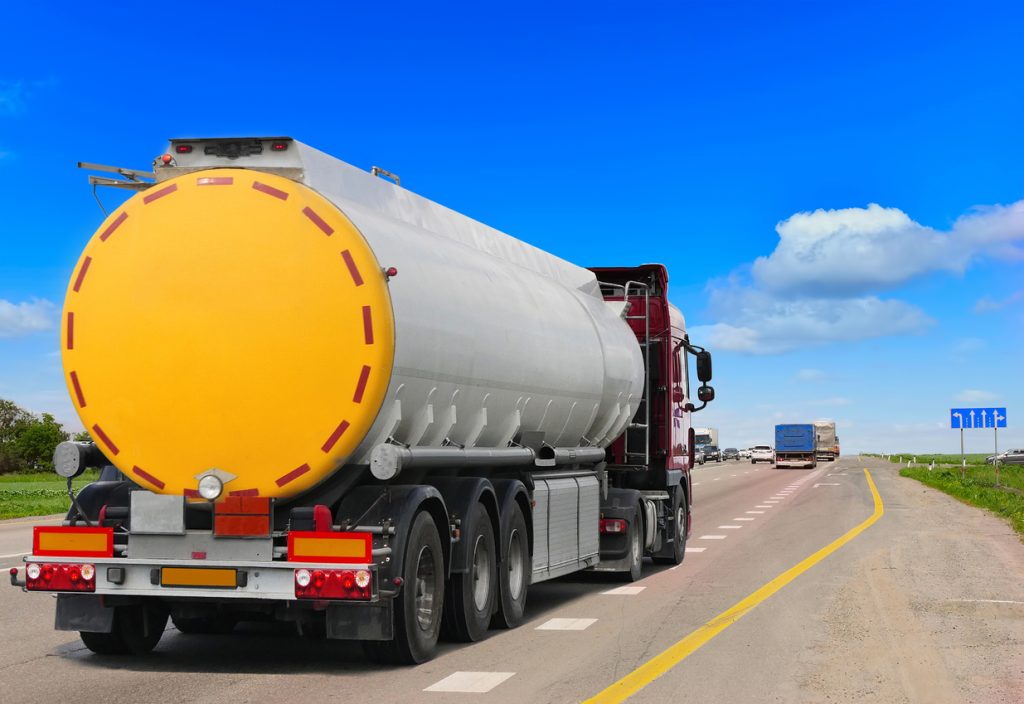
Truck investment success does not start with operations—it starts with acquisition. The way a truck is selected, purchased, deployed, and managed determines whether it becomes a profitable logistics asset or a long-term financial burden.
Truck asset acquisition and management is the combined process of selecting the right trucks, structuring ownership, and professionally managing them so they consistently generate returns through logistics operations.
For investors in Nigeria’s transport and logistics space—especially around Lagos ports, interstate freight routes, and industrial supply chains—this end-to-end approach is what transforms trucks into structured income-producing assets.
What truck asset acquisition and management actually means
This concept combines two core stages:
1. Asset acquisition
The process of sourcing and purchasing the right trucks based on investment goals and logistics demand.
2. Asset management
The ongoing operational control of those trucks to ensure profitability, efficiency, and long-term asset value.
Together, they ensure trucks are not just purchased—but properly deployed and optimised.
Why structured acquisition and management is important
Many trucking investments fail at the early stage because the wrong trucks are purchased or poorly managed afterward.
Common issues include:
- Buying unsuitable truck types for available cargo demand
- Overpaying for low-performance vehicles
- Poor maintenance planning from day one
- Lack of operational structure after purchase
- Low truck utilisation and idle assets
- Weak return on investment tracking
Without structure, even good capital investment can fail.
Phase 1: Truck asset acquisition process
1. Market and demand analysis
Before buying a truck, investors must understand demand.
This includes:
- Identifying high-demand logistics routes
- Understanding cargo types (containers, bulk goods, fuel, etc.)
- Evaluating long-haul vs short-haul opportunities
- Studying freight pricing and profitability trends
For example, Lagos port container movement requires different trucks than agricultural bulk transport.
2. Selecting the right truck type
Truck selection directly affects profitability.
Options include:
- Tractor units (prime movers) for container haulage
- Tipper trucks for construction materials
- Tankers for fuel and liquid transport
- Flatbeds for industrial cargo
- Box trucks for retail distribution
The wrong truck type reduces utilisation and income potential.
3. Cost evaluation and investment planning
This step includes:
- Purchase cost vs expected ROI
- Maintenance and spare parts cost projection
- Fuel efficiency analysis
- Insurance and compliance costs
- Financing or lease structuring (if applicable)
Proper planning prevents cash flow problems later.
4. Supplier and condition verification
Truck condition matters more than price alone.
Investors must assess:
- Engine and transmission health
- Mileage and usage history
- Accident or repair records
- Tire, brake, and chassis condition
- Compliance and documentation validity
Poor-quality trucks lead to early breakdowns and losses.
5. Ownership structuring
At acquisition stage, ownership is structured for management efficiency:
- Individual ownership
- Company fleet registration
- Partnership or investment pooling
- Managed asset contracts
Structure determines how income and control are handled.
Phase 2: Truck asset management process
1. Deployment and utilization planning
After acquisition, trucks must be actively deployed.
This involves:
- Assigning trucks to profitable routes
- Ensuring continuous cargo flow
- Reducing idle time between trips
- Balancing workload across fleet units
A truck only earns when it is moving.
2. Driver management and control
Drivers are central to asset performance.
Management includes:
- Hiring experienced and vetted drivers
- Assigning drivers to specific trucks
- Monitoring performance and behaviour
- Enforcing safety and operational discipline
- Managing compensation and incentives
Driver efficiency directly affects profitability.
3. Fuel and operational cost control
Fuel is one of the largest expenses in trucking.
Management focuses on:
- Monitoring fuel usage per trip
- Detecting inefficiencies or misuse
- Setting fuel consumption benchmarks
- Optimising driving behaviour for efficiency
- Reducing unnecessary operational waste
Small fuel savings scale across the fleet.
4. Preventive maintenance and lifecycle management
Protecting the asset ensures long-term value.
This includes:
- Scheduled servicing and inspections
- Engine and transmission diagnostics
- Tire and brake replacement cycles
- Breakdown prevention systems
- Spare parts planning
Proper maintenance reduces downtime and extends asset life.
5. Cargo sourcing and logistics coordination
Revenue depends on consistent cargo availability.
Management ensures:
- Matching trucks with available freight
- Coordinating dispatch schedules
- Reducing empty return trips
- Building logistics demand pipelines
- Managing client delivery expectations
Without cargo, even good trucks are unproductive.
6. Financial tracking and ROI monitoring
Every truck must be measured as an investment.
Reports include:
- Revenue per truck per month
- Cost per kilometre
- Fuel and maintenance expenses
- Net profit per asset
- ROI performance tracking
This ensures transparency and performance control.
7. Real-time monitoring and reporting systems
Modern management uses technology for visibility.
This includes:
- GPS tracking of trucks
- Trip progress monitoring
- Delivery confirmation reports
- Fuel and maintenance logs
- Exception alerts for delays or breakdowns
Owners and managers can track performance in real time.
Key performance indicators in truck asset management
Important metrics include:
- Truck utilisation rate
- Cost per kilometre
- Revenue per trip
- Maintenance frequency and cost
- Fuel efficiency ratio
- Asset downtime rate
- Net ROI per vehicle
These indicators show overall fleet health.
Challenges in truck asset acquisition and management in Nigeria
Operators often face:
- High vehicle acquisition costs
- Unstable fuel prices
- Poor road infrastructure
- Port congestion in Lagos
- Security risks on interstate routes
- Limited access to quality maintenance infrastructure
These challenges require structured management systems.
Risks of poor acquisition and management
Without proper systems:
- Wrong trucks are purchased
- Maintenance costs spiral out of control
- Fuel is wasted or untracked
- Drivers mismanage operations
- Trucks spend long periods idle
- ROI becomes unpredictable or negative
Poor structure turns assets into liabilities.
How structured management improves profitability
When properly implemented, it delivers:
- Higher truck utilisation rates
- Lower operating and maintenance costs
- Better fuel efficiency
- Consistent cargo flow
- Reduced downtime
- Predictable and scalable returns
The asset becomes a controlled income generator.
Technology used in modern truck asset management
Modern fleets rely on:
- GPS tracking and telematics systems
- Fuel monitoring platforms
- Predictive maintenance tools
- Digital dispatch systems
- Financial reporting dashboards
Technology improves transparency and decision-making.
Where logistics coordination fits into asset management
Even well-managed fleets depend on external logistics systems.
This includes:
- Cargo booking and freight forwarding
- Warehouse and port operations
- Intercity and interstate logistics planning
- Customs and clearance processes
Delays in logistics directly affect asset performance.
How Travo.ng supports logistics coordination
While truck asset acquisition and management focuses on owning and optimising trucking assets, logistics coordination ensures smooth movement of goods across supply chains.
Travo.ng supports logistics operations through:
- Cargo consolidation and freight coordination
- Intercity and interstate delivery services
- Port-to-destination logistics support
- Supply chain coordination across Nigeria
- End-to-end logistics execution for cargo movement
This helps reduce delays that affect fleet utilisation and investor returns.
Final thoughts
Truck asset acquisition and management is the foundation of successful trucking investment. The real value is not just in owning trucks, but in acquiring the right assets and managing them with structure, discipline, and efficiency.
When both acquisition and management are done properly, trucks become reliable, income-generating assets with long-term scalability.
In modern logistics, success is not defined by ownership alone—it is defined by how intelligently those assets are acquired, deployed, and managed over time.
