


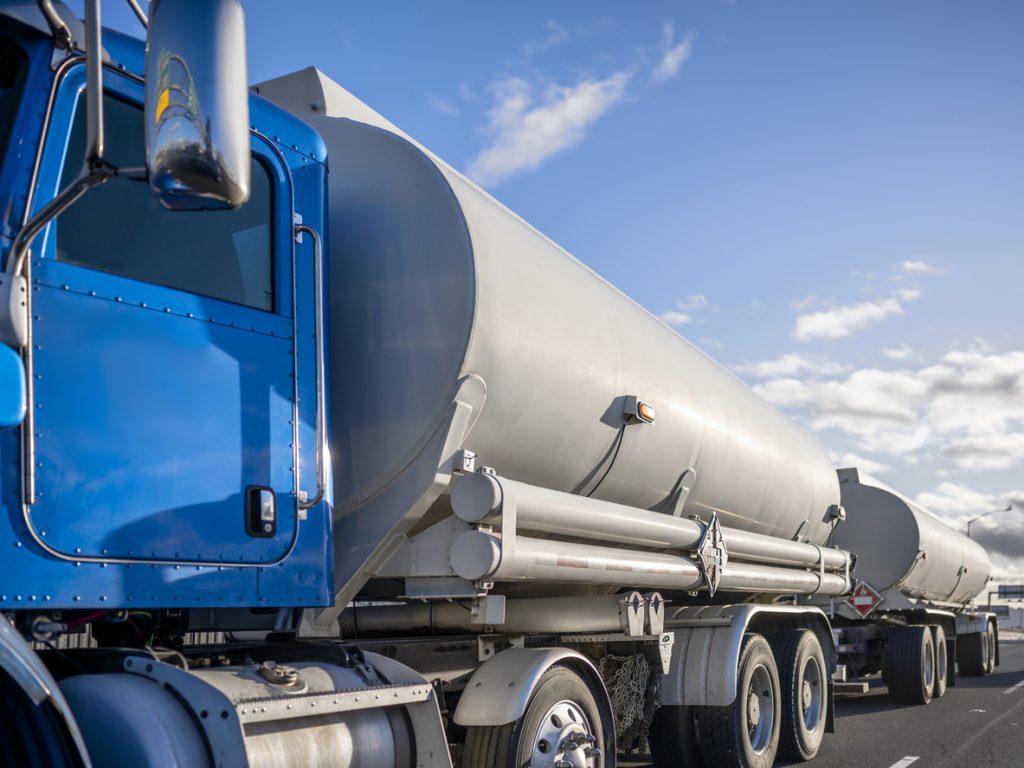
Truck ownership is often marketed as a simple business: buy a vehicle, hire a driver, and start moving goods. In reality, many truck investors quickly discover that the real work is not buying the truck—it is keeping it consistently profitable.
Truck ownership investment management is the structured system that turns trucks into managed financial assets instead of informal transport operations. It focuses on controlling costs, improving utilisation, and ensuring every truck delivers measurable returns over time.
For investors in Nigeria’s logistics corridors like Lagos–Ibadan, Lagos–Abuja, and port-heavy routes around Apapa and Tin Can Island, proper investment management is what separates profitable fleets from struggling ones.
What truck ownership investment management actually means
This model treats trucks as investment assets rather than informal business tools.
It includes:
- Financial planning for truck acquisition and deployment
- Operational coordination through professional management
- Revenue tracking and profit optimisation
- Maintenance and lifecycle management
- Risk control and asset protection
- Logistics and cargo coordination
In simple terms, it ensures trucks behave like structured investments, not unmanaged vehicles.
Why truck investment management is important
Many truck owners underestimate how quickly operational inefficiencies reduce returns.
Without proper management, common issues include:
- High fuel consumption and uncontrolled expenses
- Frequent breakdowns from poor maintenance
- Idle trucks without consistent cargo
- Driver inefficiencies and misconduct
- Lack of clear financial reporting
- Unpredictable income from logistics operations
These problems often turn a profitable idea into a struggling operation.
Core components of truck ownership investment management
1. Asset acquisition and structuring
The investment begins with proper planning:
- Selecting the right truck types for intended routes
- Evaluating cost vs earning potential
- Structuring financing or capital allocation
- Planning expected return timelines
This ensures the investment starts on a solid foundation.
2. Fleet deployment strategy
Where and how trucks are used determines profitability.
Management includes:
- Assigning trucks to high-demand routes
- Balancing long-distance and short-haul operations
- Reducing empty return trips
- Matching truck type to cargo demand
For example, trucks serving Lagos port operations require different scheduling from interstate haulage routes.
3. Driver management and accountability
Drivers directly affect truck performance.
Investment management covers:
- Recruitment of qualified commercial drivers
- Training on fuel efficiency and safety
- Trip assignment and supervision
- Incentive and salary structure
- Behaviour monitoring systems
Proper driver control reduces operational losses significantly.
4. Fuel cost and operational control
Fuel is one of the largest expenses in trucking investment.
Management focuses on:
- Monitoring fuel consumption per trip
- Preventing fuel misuse or fraud
- Optimising fuel-efficient routes
- Setting operational fuel budgets
- Tracking cost per kilometre
Even small inefficiencies can reduce overall investment returns.
5. Maintenance and asset protection
Truck value and performance depend heavily on maintenance.
This includes:
- Preventive servicing schedules
- Engine and system diagnostics
- Tire and brake monitoring
- Breakdown response systems
- Spare parts planning
A well-maintained truck earns more and lasts longer.
6. Cargo sourcing and logistics coordination
Consistent cargo flow is essential for income stability.
Management ensures:
- Matching trucks to available loads
- Coordinating delivery schedules
- Building consistent logistics demand pipelines
- Reducing downtime between trips
Without cargo coordination, even good trucks remain idle.
7. Financial reporting and ROI tracking
Investors need visibility into performance.
Reports typically include:
- Revenue per truck
- Cost breakdown per trip
- Fuel and maintenance expenses
- Net profit per vehicle
- Return on investment (ROI) analysis
This helps owners understand which assets are performing best.
How truck investment performance is measured
Key performance indicators include:
- Truck utilisation rate (active vs idle days)
- Cost per kilometre
- Fuel efficiency per route
- Maintenance cost ratio
- Revenue per truck per month
- Net ROI across fleet
These metrics show whether the investment is truly profitable.
Why truck investments fail without management
Many truck investments underperform due to:
- Lack of structured operational control
- Poor driver supervision
- High fuel wastage
- Weak maintenance discipline
- Inconsistent cargo availability
- No performance tracking systems
Without management, trucks often generate revenue but still lose money overall.
How investment management improves profitability
When properly implemented, truck ownership management leads to:
- Higher truck utilisation rates
- Reduced operational costs
- More stable cargo flow
- Better fuel efficiency
- Improved driver accountability
- Stronger and more predictable ROI
The investment becomes structured, scalable, and trackable.
Technology used in truck investment management
Modern fleet investors rely on:
- GPS tracking systems for real-time monitoring
- Fuel analytics dashboards
- Digital dispatch platforms
- Predictive maintenance tools
- Automated financial reporting systems
Technology improves transparency and reduces inefficiency.
Challenges in trucking investment in Nigeria
Investors operating in Nigeria face unique realities:
- Traffic congestion in Lagos and major cities
- Highway wear and unpredictable road conditions
- Fuel price volatility
- Port congestion at Apapa and Tin Can Island
- Security concerns on interstate routes
- Seasonal fluctuations in cargo demand
These factors make structured investment management essential.
Where logistics coordination fits into truck investment management
Even well-managed trucks depend on external logistics systems.
This includes:
- Cargo booking and freight forwarding
- Warehouse coordination
- Port clearance and distribution planning
- Intercity delivery scheduling
Delays in logistics directly affect truck utilisation and investment returns.
How Travo.ng supports logistics coordination
While truck ownership investment management focuses on asset control and profitability, logistics coordination ensures smooth movement of goods across the supply chain.
Travo.ng supports logistics operations through:
- Cargo consolidation and freight coordination
- Intercity and interstate delivery services
- Port-to-destination logistics support
- Supply chain coordination across Nigeria
- End-to-end logistics execution for cargo movement
This helps reduce delays that affect fleet efficiency and income stability.
Final thoughts
Truck ownership investment management is what transforms trucks from simple vehicles into structured income-generating assets. Without proper management, ownership often leads to inefficiency, hidden losses, and unpredictable returns.
With the right systems in place, investors gain control, visibility, and consistent profitability.
In modern logistics, success is not defined by how many trucks you own—it is defined by how well those trucks are managed, deployed, and optimised as investments.
