


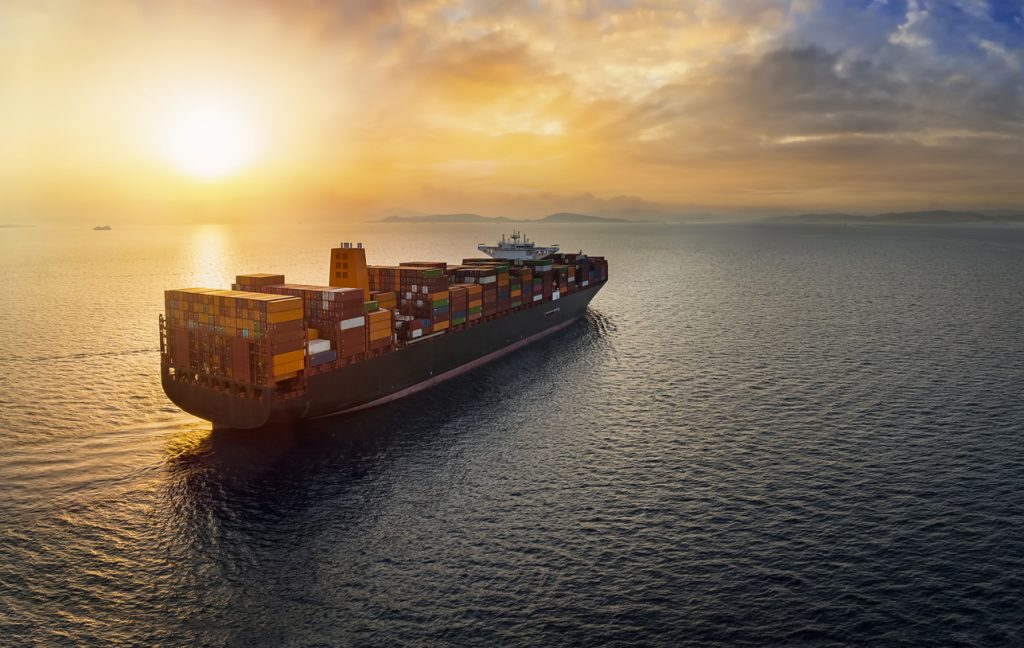
Passenger ferry transport looks simple when it is running smoothly—boats move across rivers or coastal routes, passengers board, and everything arrives on time. But behind that movement is a complex system of safety checks, scheduling discipline, crew coordination, and maintenance planning.
A passenger ferry management company is responsible for operating, supervising, and optimising ferry services so that passenger transport across water remains safe, efficient, and commercially sustainable.
For coastal cities, riverine communities, and island-connected routes, ferry management is what keeps daily transport reliable instead of chaotic.
What a passenger ferry management company actually does
A ferry management company oversees the full operation of passenger vessels on behalf of owners or transport authorities.
Core responsibilities include:
- Ferry operations and route scheduling
- Vessel maintenance and technical supervision
- Crew recruitment and safety management
- Passenger safety and boarding procedures
- Ticketing and capacity control systems
- Regulatory compliance and inspections
- Financial performance and route profitability tracking
In simple terms, it ensures ferries move people safely, on time, and without operational disruption.
Why ferry management is more complex than it looks
Unlike private boats or cargo vessels, passenger ferries operate under strict expectations:
- Fixed departure schedules
- High passenger turnover daily
- Zero tolerance for safety failure
- Weather-sensitive operations
- Peak-hour congestion pressure
Even small disruptions can affect hundreds of passengers at once.
Core components of passenger ferry management
1. Route planning and scheduling
Ferry operations depend heavily on timing and demand patterns.
Management includes:
- Defining fixed routes across terminals
- Scheduling peak and off-peak departures
- Adjusting frequency based on passenger demand
- Managing seasonal travel variations
Efficient scheduling reduces waiting time and overcrowding.
2. Vessel safety and technical maintenance
Passenger safety is the highest priority in ferry operations.
Services include:
- Engine and propulsion system maintenance
- Hull inspections and structural safety checks
- Life jacket and emergency equipment testing
- Fire safety system maintenance
- Navigation and communication system checks
A well-maintained ferry reduces operational risk significantly.
3. Crew management and onboard operations
Ferry crews are responsible for both navigation and passenger safety.
Management covers:
- Hiring licensed captains and deck officers
- Training for emergency response and evacuation
- Crew shift scheduling and fatigue control
- Onboard discipline and service coordination
Trained crews ensure safe and smooth operations.
4. Passenger handling and boarding systems
Passenger flow must be controlled to avoid delays and overcrowding.
This includes:
- Ticketing and boarding validation systems
- Queue and terminal crowd management
- Capacity control per trip
- Safety briefing procedures before departure
Efficient boarding improves turnaround time at terminals.
5. Regulatory compliance and maritime safety standards
Ferry operations must meet strict government and maritime rules.
Management ensures compliance with:
- Inland waterway transport regulations
- Passenger safety standards
- Vessel licensing and certification
- Environmental protection requirements
- Port authority operational guidelines
Non-compliance can result in suspension or penalties.
6. Fuel and operational efficiency management
Fuel costs directly affect ferry profitability.
Management includes:
- Monitoring fuel consumption per route
- Engine efficiency optimisation
- Route speed regulation for fuel savings
- Reducing idle time at terminals
Efficiency helps keep ticket prices stable for passengers.
7. Financial and route performance tracking
Each ferry route must remain financially sustainable.
Reports typically include:
- Revenue per route and per trip
- Passenger volume tracking
- Fuel and maintenance cost breakdown
- Peak vs off-peak performance analysis
- Profitability per vessel
This ensures long-term operational stability.
Challenges in passenger ferry operations
Ferry systems often face real-world operational pressures such as:
- Unpredictable weather conditions
- High passenger demand during peak hours
- Waterway congestion in busy terminals
- Safety risks in overcrowded routes
- Equipment wear from continuous daily use
Without structured management, these challenges can disrupt entire transport networks.
The cost of poor ferry management
When ferry systems are not properly managed, consequences include:
- Delayed or cancelled trips
- Overcrowding and safety risks
- Mechanical breakdowns during operations
- Passenger dissatisfaction and loss of trust
- Regulatory fines or suspension of operations
- High long-term repair and fuel costs
In passenger transport, reliability is everything.
How ferry management improves public transport systems
Well-managed ferry operations provide:
- Safe and reliable passenger movement
- Predictable and on-time schedules
- Reduced operational downtime
- Better passenger experience
- Lower maintenance costs over time
- Stronger revenue stability for operators
Efficient ferry systems improve overall urban mobility.
Technology in modern ferry management
Modern ferry operations increasingly rely on digital systems such as:
- Electronic ticketing platforms
- Real-time vessel tracking systems
- Passenger flow monitoring tools
- Predictive maintenance software
- Route optimisation systems
These tools improve safety and operational efficiency.
Passenger ferry operations in coastal and riverine regions
In regions like Lagos and other coastal cities, ferry management must also account for:
- Heavy commuter traffic during rush hours
- Waterway congestion in busy terminals
- Weather changes affecting visibility and safety
- Coordination with road transport systems
- Safety enforcement by maritime authorities
These conditions require disciplined operational control.
How Travo.ng supports ferry-related logistics coordination
While passenger ferry management focuses on vessel operations and safety, logistics coordination ensures smooth movement of passengers and support services.
Travo.ng supports transport and mobility systems through:
- Passenger transfer and pickup coordination
- Transport logistics between terminals and destinations
- Travel and mobility support services
- Cargo and small parcel movement coordination
- End-to-end logistics execution for transport operations
This helps improve overall efficiency around ferry-based transport systems.
Final thoughts
A passenger ferry management company plays a critical role in ensuring that water transport remains safe, reliable, and commercially viable. Without structured management, ferry operations can quickly become inefficient and unsafe.
With proper systems in place, ferry services become a dependable part of public transportation—moving people efficiently while maintaining safety, punctuality, and operational stability.
In modern transport systems, ferry management is not just about boats on water—it is about keeping entire mobility networks functioning smoothly.
