


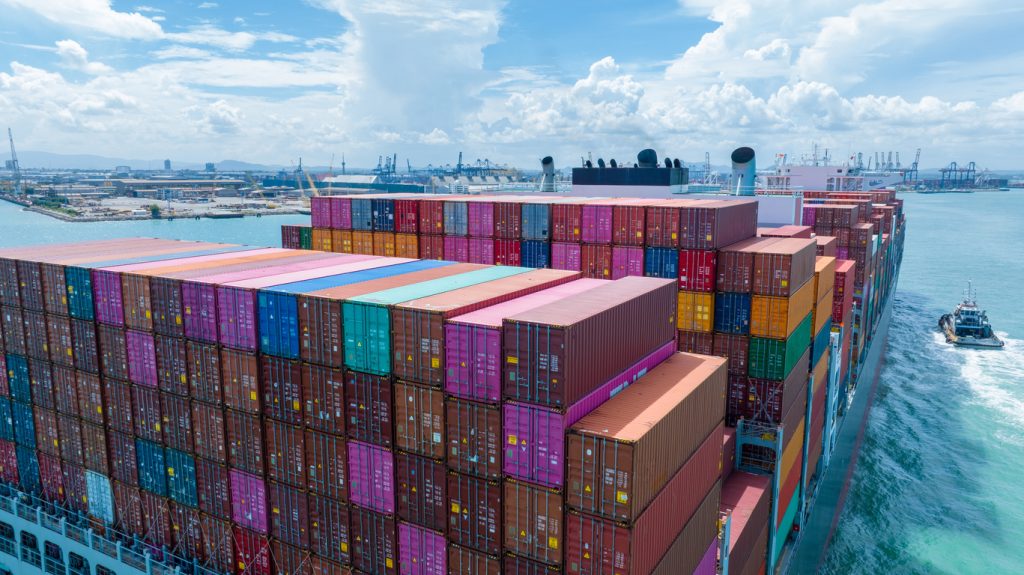
Shipping is one of the most capital-intensive industries in the world. A single vessel—whether a tanker, bulk carrier, container ship, or offshore support vessel—represents millions of dollars in investment and long-term financial commitment.
But owning a ship is only the beginning. The real challenge is keeping it profitable, compliant, and operational across unpredictable global trade conditions.
A shipping asset management company is the professional structure responsible for overseeing the full performance of vessels on behalf of owners and maritime investors. It ensures that ships are not just owned, but actively generating value.
What a shipping asset management company actually does
A shipping asset management company handles the end-to-end oversight of maritime assets, including both technical operations and financial performance.
Core responsibilities include:
- Vessel operational management
- Technical maintenance and engineering supervision
- Chartering and commercial deployment
- Crew management and staffing coordination
- Regulatory compliance and safety systems
- Financial reporting and investment performance tracking
- Asset valuation and lifecycle planning
In simple terms, it turns ship ownership into a structured investment portfolio rather than a hands-on operational burden.
Why ship owners need asset management companies
Most ship owners are investors, not maritime operators. Without structured management, vessels often underperform.
Common issues include:
- High operational and fuel costs
- Poor vessel utilisation
- Unplanned maintenance breakdowns
- Weak charter coordination
- Compliance risks and penalties
- Lack of clear financial visibility
A shipping asset management company solves these problems through structured control systems.
Core functions of a shipping asset management company
1. Technical vessel management
This ensures the vessel remains seaworthy and operational.
It includes:
- Engine maintenance and performance monitoring
- Hull inspections and repairs
- Dry-docking planning and execution
- Preventive maintenance scheduling
- Spare parts procurement and inventory control
Technical reliability is the foundation of vessel profitability.
2. Commercial and charter management
Revenue generation depends on efficient deployment.
Management covers:
- Securing cargo contracts and charters
- Negotiating freight rates and terms
- Vessel scheduling and deployment optimisation
- Reducing idle time between voyages
- Monitoring market demand trends
A well-managed vessel should remain consistently active.
3. Crew management and onboard operations
Human performance directly affects vessel efficiency.
Services include:
- Recruitment of qualified seafarers
- Crew rotation and scheduling
- Certification and compliance tracking
- Payroll and welfare management
- Onboard performance supervision
Strong crew systems reduce operational risk.
4. Financial and investment reporting
Ship owners need clarity on returns.
Reports typically include:
- Voyage profit and loss analysis
- Operating cost breakdown
- Fuel consumption tracking
- Charter revenue performance
- Return on investment (ROI) reporting
- Asset valuation updates
This ensures transparent investment oversight.
5. Regulatory compliance and safety management
Shipping is highly regulated internationally.
Management ensures compliance with:
- IMO regulations
- Flag state requirements
- Port state inspection standards
- Environmental laws (MARPOL compliance)
- Safety management systems (SMS)
- Insurance and certification requirements
Non-compliance can lead to detention or financial penalties.
6. Lifecycle and asset value management
Vessels depreciate over time if not properly managed.
This includes:
- Dry-docking and overhaul planning
- Mid-life vessel upgrades
- Maintenance forecasting
- Asset valuation tracking
- End-of-life resale strategy
Proper lifecycle management protects long-term investment value.
Why shipping asset management companies are essential
Without structured management, ship owners often face:
- Hidden operational losses
- High repair and maintenance costs
- Poor charter utilisation
- Fuel inefficiencies
- Regulatory penalties
- Reduced vessel lifespan and resale value
These issues quietly reduce profitability over time.
Challenges in global shipping operations
Shipping asset management becomes even more important due to:
- Volatile freight rates
- Global fuel price fluctuations
- Port congestion and delays
- Complex international regulations
- Weather disruptions on trade routes
Professional management helps absorb and control these risks.
Shipping asset management in West African maritime operations
In regions such as Nigeria and surrounding coastal markets, additional challenges include:
- Congested ports in Lagos and Port Harcourt
- Customs clearance delays
- Infrastructure limitations at terminals
- Security considerations in some maritime zones
- Seasonal cargo demand fluctuations
These factors require structured coordination and planning.
How shipping asset management improves profitability
When properly executed, asset management leads to:
- Higher vessel utilisation rates
- Reduced operational costs
- Improved fuel efficiency
- Stable charter income
- Lower maintenance disruptions
- Stronger asset resale value
The vessel becomes a predictable income-generating asset.
Digital tools used in modern shipping asset management
Modern companies rely on technology such as:
- Real-time vessel tracking systems
- Predictive maintenance platforms
- Fuel efficiency monitoring dashboards
- Charter optimisation software
- Fleet performance analytics tools
These tools improve decision-making and reduce inefficiencies.
Where logistics coordination fits into shipping asset performance
Even well-managed vessels depend on external logistics support.
This includes:
- Cargo scheduling and consolidation
- Port operations coordination
- Freight forwarding alignment
- Customs clearance processes
- Inland transportation planning
Delays in logistics can reduce vessel turnaround efficiency and revenue.
How Travo.ng supports maritime logistics coordination
While shipping asset management focuses on vessel operations and investment performance, logistics coordination ensures smooth cargo movement and operational support.
Travo.ng supports maritime-related operations through:
- Cargo consolidation and freight coordination
- Import and export logistics planning
- Port-to-destination delivery services
- Supply chain management across Nigeria
- End-to-end logistics execution for cargo movement
This helps reduce delays that affect vessel efficiency and profitability.
Final thoughts
A shipping asset management company plays a critical role in transforming vessel ownership into a structured, profitable investment. It bridges the gap between owning a ship and successfully operating it in a complex global maritime environment.
For ship owners and maritime investors, professional asset management is not optional—it is the foundation of sustainable performance, risk control, and long-term profitability.
In modern shipping, success depends not just on the vessel you own, but on how effectively it is managed every day.
