


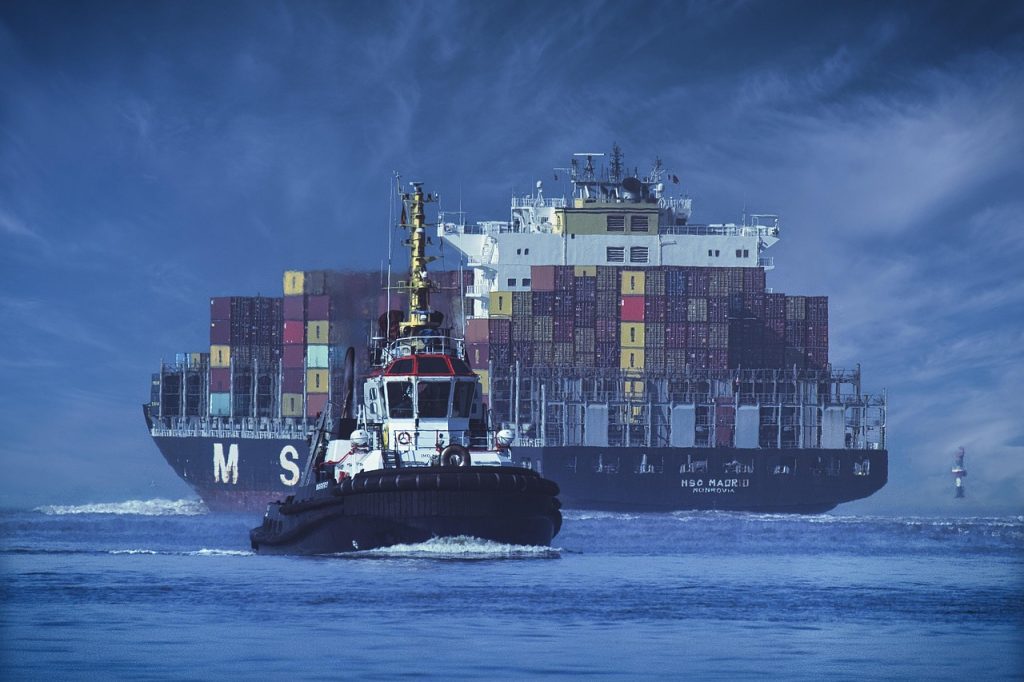
Container shipping is the backbone of global trade. Every day, thousands of containers move between Asia, Europe, the Middle East, Africa, and the Americas carrying electronics, textiles, machinery, food products, and industrial goods.
Behind this massive movement is not just the vessel itself, but a highly structured system of container ship management services that keeps ships operational, compliant, and commercially efficient across global routes.
For ship owners, leasing companies, and maritime investors, especially those operating international fleets, professional management is what turns a container ship from a costly asset into a predictable revenue-generating business.
What container ship management services actually involve
Container ship management services refer to the complete operational oversight of container vessels on behalf of owners or shipping lines.
These services typically include:
- Technical maintenance and engineering management
- Voyage planning and schedule coordination
- Crew recruitment and shipboard management
- Cargo and container logistics coordination
- Charter and commercial operations management
- Regulatory compliance and safety systems
- Financial reporting and performance monitoring
In practice, it means outsourcing the day-to-day running of a vessel to a specialist maritime management company.
Why container ships require professional management
Container vessels operate on strict global schedules and high customer expectations.
Unlike bulk shipping, container shipping is:
- Time-sensitive (fixed shipping schedules)
- Highly competitive (global freight markets)
- Technology-driven (tracking and logistics systems)
- Customer-facing (retail and industrial supply chains depend on it)
Even small delays can disrupt entire supply chains across continents.
Core services provided in container ship management
1. Technical vessel management
Container ships require constant technical reliability.
This includes:
- Engine and propulsion system maintenance
- Reefer container power system monitoring
- Hull inspections and dry-docking planning
- Preventive maintenance scheduling
- Safety and emergency system checks
High reliability is essential to avoid schedule disruptions.
2. Voyage and schedule optimisation
Container shipping runs on fixed timetables.
Management companies handle:
- Route optimisation for fuel efficiency
- Port rotation scheduling
- Transit time planning
- Weather routing
- Reducing delays in global shipping lanes
Maintaining schedule integrity is one of the most critical success factors.
3. Cargo and container operations management
Container logistics require precision and coordination.
Services include:
- Container loading and discharge planning
- Yard and terminal coordination
- Cargo stacking optimisation
- Reefer cargo monitoring
- Damage prevention protocols
Efficiency in container handling directly affects turnaround time.
4. Crew management and maritime staffing
Container ships operate with skilled international crews.
Management covers:
- Recruitment and certification of seafarers
- Crew rotation scheduling across global ports
- Payroll and welfare management
- Training and safety compliance
- Fatigue and performance monitoring
Well-managed crews improve operational consistency.
5. Chartering and commercial operations
Revenue generation depends on strong commercial coordination.
This includes:
- Securing freight contracts
- Managing long-term and spot charters
- Negotiating shipping rates
- Optimising vessel deployment
- Ensuring contract compliance
Efficient commercial management ensures high vessel utilisation.
6. Compliance and global regulatory management
Container ships operate across multiple jurisdictions.
Management ensures compliance with:
- IMO international regulations
- SOLAS safety standards
- MARPOL environmental rules
- Port state control requirements
- Flag state documentation
Non-compliance can result in delays, fines, or vessel detention.
7. Financial reporting and fleet transparency
Ship owners and investors need visibility into performance.
Reports typically include:
- Voyage profit and loss analysis
- Fuel consumption efficiency
- Maintenance and repair costs
- Charter revenue tracking
- Operational benchmarking across vessels
This allows for data-driven investment decisions.
Why container ship management is a global necessity
Container ships operate across highly interconnected trade routes such as:
- Asia–Europe trade lanes
- Trans-Pacific routes
- Middle East–Africa corridors
- Intra-African coastal shipping networks
Because of this global complexity, management must be standardized, coordinated, and highly efficient.
The financial impact of poor container ship management
Without structured management, shipping companies often experience:
- Schedule delays affecting supply chains
- Increased fuel and operational costs
- Container handling inefficiencies
- Loss of customer trust and contracts
- Higher maintenance expenses
- Reduced vessel lifespan
In container shipping, reliability directly affects revenue.
How container ship management improves global shipping performance
Professional management ensures:
- On-time vessel arrivals and departures
- Lower fuel consumption through optimisation
- Higher container turnover efficiency
- Improved charter reliability
- Reduced operational risk
- Stronger global customer confidence
Efficiency and punctuality are the foundation of container shipping success.
Digital transformation in container vessel management
Modern shipping relies heavily on advanced systems such as:
- Real-time vessel tracking platforms
- Global shipping management software
- Predictive maintenance systems
- Fuel efficiency analytics tools
- Port scheduling coordination systems
These tools enable real-time decision-making across continents.
Container ship management challenges in African trade routes
In regions involving West African ports, including Nigeria, container shipping may face:
- Port congestion and delays
- Customs clearance inefficiencies
- Infrastructure limitations at terminals
- Weather-related disruptions
- High demand during peak import seasons
These challenges make professional coordination even more critical.
Where logistics coordination fits into container shipping
Even with strong vessel management, cargo movement depends on logistics efficiency.
This includes:
- Container pickup and delivery coordination
- Port-to-warehouse distribution
- Customs clearance processes
- Inland transportation planning
- Supply chain timing across import/export cycles
Delays in logistics can disrupt entire shipping schedules.
How Travo.ng supports cargo logistics coordination
While container ship management focuses on vessel operations, logistics coordination ensures smooth cargo flow between ports and final destinations.
Travo.ng supports businesses involved in maritime trade through:
- Cargo consolidation and freight coordination
- Import and export logistics planning
- Port-to-destination delivery services
- Supply chain coordination across Nigeria
- End-to-end cargo movement solutions
This helps reduce delays that can affect shipping efficiency and delivery timelines.
Final thoughts
Container ship management services worldwide are the foundation of modern global trade. Without structured technical, commercial, and operational oversight, container shipping would struggle to maintain the speed, reliability, and efficiency that global supply chains depend on.
For ship owners and investors, professional management is not just an operational choice—it is a business necessity that ensures vessels remain profitable, compliant, and globally competitive.
