


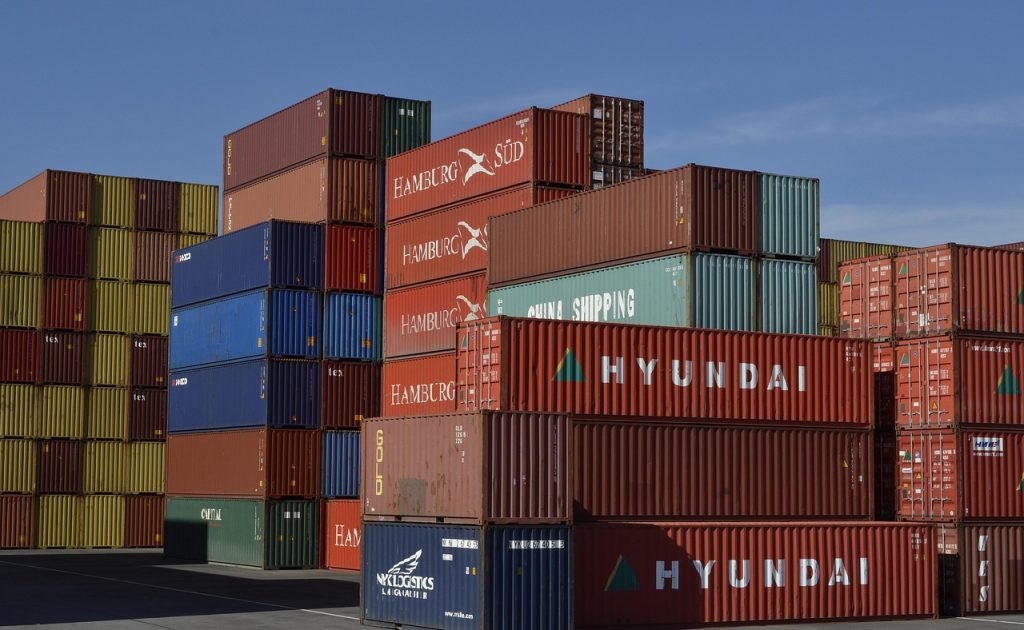
Dry bulk shipping is one of the most active segments in global maritime trade, moving essential commodities like cement, coal, grain, fertiliser, iron ore, and agricultural products. But behind every successful voyage is not just the vessel—it is the management system controlling it.
A dry bulk vessel management company is a specialized service provider that handles the technical, operational, and commercial running of bulk carriers on behalf of ship owners and investors.
In practical terms, it is the team that ensures a bulk carrier is always ready to load, sail, discharge, and earn without unnecessary delays or inefficiencies.
What a dry bulk vessel management company actually does
A dry bulk vessel management company oversees the full lifecycle of vessel operations, including:
- Technical maintenance and engineering supervision
- Voyage planning and execution
- Cargo loading and discharge coordination
- Crew recruitment and management
- Charter party compliance
- Fuel and operational efficiency control
- Financial reporting and cost tracking
- Regulatory compliance and inspections
Instead of the owner handling daily operations, the management company runs the vessel like a structured business unit.
Why dry bulk vessels need specialised management
Bulk carriers operate under tight schedules and thin profit margins. Small inefficiencies can significantly affect earnings.
Common operational pressures include:
- Port congestion and waiting time
- Variable cargo availability
- Strict charter deadlines (laycan windows)
- High fuel consumption on long voyages
- Weather-related loading and discharge delays
- Heavy wear and tear from bulk cargo operations
Without structured management, these factors quickly reduce profitability.
Core services offered by dry bulk vessel management companies
1. Technical management and vessel maintenance
Bulk carriers require continuous technical oversight.
Management includes:
- Engine and machinery servicing
- Cargo hold maintenance and cleaning
- Hull inspections and repairs
- Dry-docking scheduling
- Preventive maintenance planning
This ensures the vessel remains seaworthy and avoids costly breakdowns.
2. Voyage planning and operational optimisation
Efficient voyage execution is critical in dry bulk shipping.
Companies handle:
- Route optimisation based on fuel and time
- Weather and sea condition analysis
- Port scheduling coordination
- Minimising ballast voyages
- Ensuring timely cargo delivery
Even small improvements in scheduling can significantly improve profit margins.
3. Cargo handling and port coordination
Bulk cargo operations require precision.
Management covers:
- Loading supervision at terminals
- Discharge coordination at destination ports
- Cargo stability and safety checks
- Coordination with port authorities
- Reducing berth waiting time
Efficient port operations reduce turnaround delays.
4. Crew management and training
Crew performance directly impacts vessel efficiency.
Services include:
- Recruitment of qualified seafarers
- Crew rotation scheduling
- Safety and operational training
- Certification compliance tracking
- Payroll and welfare administration
Well-trained crews reduce operational errors and delays.
5. Charter management and commercial operations
Revenue generation depends on strong commercial coordination.
Companies manage:
- Securing cargo contracts and charters
- Negotiating freight rates
- Managing laycan schedules
- Monitoring charter performance compliance
- Optimising vessel utilisation
A well-managed bulk carrier should rarely remain idle.
6. Fuel efficiency and cost control
Fuel is one of the largest operational costs in bulk shipping.
Management focuses on:
- Monitoring bunker consumption
- Optimising vessel speed (slow steaming strategies)
- Reducing idle time at ports
- Planning efficient refuelling operations
- Tracking voyage efficiency metrics
Small fuel savings significantly impact annual profitability.
7. Compliance and regulatory management
Dry bulk vessels must comply with international maritime regulations.
Management ensures:
- Flag state compliance
- Port state inspection readiness
- Environmental regulations (MARPOL compliance)
- Safety management systems
- Documentation accuracy for audits
Non-compliance can result in fines or vessel detention.
Why ship owners outsource dry bulk vessel management
Most vessel owners are investors, not operators. Outsourcing allows them to:
- Reduce operational workload
- Improve vessel efficiency
- Access maritime expertise
- Minimise technical risks
- Increase charter reliability
- Improve return on investment
The vessel becomes a professionally managed income-generating asset.
Challenges in dry bulk vessel operations in West Africa
In regions such as Nigeria and nearby coastal markets, bulk shipping faces:
- Congested ports like Lagos and Port Harcourt
- Longer customs and clearance procedures
- Variable port efficiency across terminals
- Weather disruptions affecting operations
- Security considerations in certain coastal routes
These challenges make professional management even more valuable.
The cost of poor vessel management
Without structured oversight, bulk carriers often experience:
- Increased fuel consumption
- Frequent maintenance breakdowns
- Port delays and demurrage charges
- Missed charter opportunities
- Reduced vessel lifespan
- Lower profitability per voyage
These losses accumulate silently over time.
How dry bulk vessel management improves profitability
When properly managed, vessels benefit from:
- Higher utilisation rates
- Reduced operational delays
- Improved fuel efficiency
- Lower maintenance costs
- Better charter reliability
- Increased asset lifespan and resale value
Efficiency directly translates into profit in bulk shipping.
Digital tools in modern bulk vessel management
Many companies now rely on technology such as:
- Vessel tracking systems
- Fuel monitoring dashboards
- Predictive maintenance software
- Voyage optimisation tools
- Port performance analytics
These tools help improve decision-making and reduce inefficiencies.
How logistics coordination supports dry bulk operations
Even the best-managed vessel depends on smooth logistics execution.
This includes:
- Cargo availability and scheduling
- Port loading and discharge efficiency
- Freight forwarding coordination
- Customs clearance processes
- Inland transportation planning
Delays in logistics can disrupt vessel turnaround and reduce profitability.
How Travo.ng supports cargo logistics coordination
While dry bulk vessel management focuses on onboard operations, logistics coordination ensures cargo flows smoothly across ports and destinations.
Travo.ng supports maritime-related operations through:
- Cargo consolidation services
- Freight coordination for imports and exports
- Port-to-destination delivery support
- Supply chain management across Nigeria
- End-to-end logistics coordination for cargo movement
This helps reduce delays that affect vessel scheduling and efficiency.
Final thoughts
A dry bulk vessel management company plays a critical role in turning bulk carriers into efficient, profitable, and well-coordinated assets.
From technical maintenance to charter optimisation and logistics coordination, professional management ensures that every voyage is planned, executed, and completed with minimal waste and maximum efficiency.
In a competitive maritime industry where margins are tight and delays are costly, structured vessel management is the difference between average performance and consistent profitability.
