


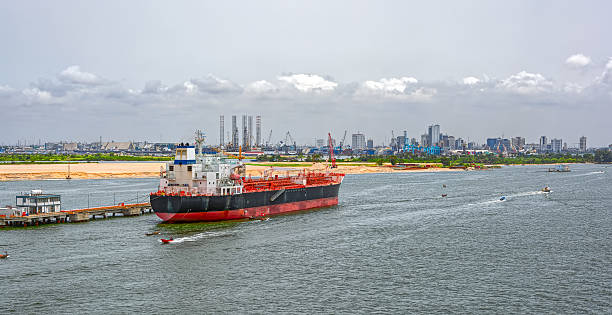
When a ship owner or maritime investor moves from owning one vessel to managing several, everything changes. The complexity doesn’t increase linearly—it multiplies. Suddenly, you are dealing with different crews, maintenance schedules, port rotations, fuel consumption patterns, charter agreements, and compliance requirements happening at the same time.
Fleet management for ship owners and maritime investors is the structured system used to control, monitor, and optimise multiple vessels as a single coordinated business unit rather than separate ships operating independently.
In real terms, it is what keeps a fleet profitable instead of chaotic.
What fleet management actually means in maritime operations
Fleet management refers to the centralized control of all vessels under an owner or investor’s portfolio.
It covers:
- Operational scheduling across multiple vessels
- Technical maintenance coordination
- Crew deployment and rotation planning
- Fuel and voyage efficiency monitoring
- Charter and commercial planning
- Regulatory compliance across jurisdictions
- Financial performance tracking per vessel and fleet-wide
Instead of managing ships individually, everything is managed as one integrated system.
Why fleet management becomes essential as vessel ownership grows
A single vessel can be monitored manually, but a fleet cannot.
Without structured fleet management, owners typically face:
- Overlapping maintenance schedules
- Crew shortages or misallocation
- Uneven vessel utilisation
- Poor charter coordination
- Higher operational costs per vessel
- Lack of clear performance visibility
In short, growth without structure leads to inefficiency instead of profit.
Core components of fleet management for maritime investors
1. Centralised operational control
Fleet management introduces a central operations system that coordinates all vessels.
This includes:
- Unified scheduling of voyages
- Real-time vessel tracking
- Port call coordination across ships
- Emergency response planning
This ensures no vessel operates in isolation or inefficiency.
2. Technical management across the fleet
Each vessel requires maintenance, but fleet management ensures it is done strategically.
It covers:
- Preventive maintenance scheduling across vessels
- Dry-docking rotation planning
- Spare parts distribution between ships
- Engineering performance benchmarking
This avoids situations where multiple vessels go offline at the same time.
3. Crew management and rotation systems
Managing crews across multiple ships is one of the biggest operational challenges.
Fleet management handles:
- Crew assignment based on vessel type
- Rotation scheduling across voyages
- Certification and training tracking
- Payroll and welfare coordination
This ensures skilled personnel are always available where needed.
4. Fleet-wide fuel and performance optimisation
Fuel costs are one of the largest expenses in shipping.
Fleet management allows investors to:
- Compare fuel efficiency across vessels
- Identify underperforming ships
- Standardise efficient operating speeds
- Optimise voyage planning across the fleet
This creates cost savings at scale.
5. Commercial and charter coordination
Fleet management ensures vessels are commercially optimised.
This includes:
- Assigning vessels to profitable routes
- Coordinating charter contracts across fleet capacity
- Reducing idle time between voyages
- Balancing short-term and long-term contracts
A well-managed fleet rarely has unused capacity.
6. Compliance and regulatory oversight
Each vessel must comply with international maritime regulations.
Fleet management ensures:
- Uniform compliance standards across vessels
- Flag state and port state inspection readiness
- Environmental regulation adherence
- Safety management system consistency
This reduces the risk of penalties or vessel detention.
7. Financial reporting and investment visibility
For maritime investors, data is critical.
Fleet management provides:
- Vessel-by-vessel profit and loss tracking
- Fleet-wide revenue analysis
- Maintenance and operational cost breakdown
- Return on investment reporting
- Performance benchmarking across assets
This helps investors make strategic expansion decisions.
Why fleet management is critical in Nigerian and West African shipping environments
Operating multiple vessels in this region comes with challenges such as:
- Port congestion in Lagos, Tin Can, and Port Harcourt
- Variable fuel availability and pricing
- Complex customs and documentation processes
- Security considerations in certain coastal routes
- Weather and seasonal disruptions
Without fleet coordination, these issues multiply across vessels.
The financial impact of poor fleet coordination
Without proper management, fleets suffer from:
- Increased downtime across multiple vessels
- Higher fuel consumption due to inefficiency
- Missed charter opportunities
- Unbalanced vessel utilisation
- Higher maintenance costs from reactive repairs
- Reduced investor returns
Small inefficiencies per vessel become large losses at fleet scale.
How structured fleet management increases profitability
When properly managed, a fleet becomes significantly more efficient:
- Higher vessel utilisation rates
- Reduced operational redundancy
- Lower maintenance costs through planning
- Improved fuel efficiency across ships
- More stable charter income
- Better asset lifecycle management
Profitability increases not just per vessel—but across the entire portfolio.
Digital transformation in fleet management
Modern maritime fleet management relies heavily on technology:
- Real-time vessel tracking systems
- Fleet performance dashboards
- Predictive maintenance software
- Fuel consumption analytics
- Voyage optimisation tools
These systems allow investors to make data-driven decisions instead of reactive ones.
Common mistakes maritime investors make with fleets
Many investors struggle when scaling because they:
- Manage each vessel independently
- Ignore fleet-wide performance comparison
- Delay maintenance coordination
- Lack centralised reporting systems
- Overlook crew standardisation
- Fail to optimise charter allocation
These mistakes reduce scalability and profitability.
What to look for in a fleet management structure
A strong fleet management system should offer:
- Centralised operational control
- Strong technical and engineering capability
- Transparent financial reporting
- Experienced crew management systems
- Commercial charter optimisation
- Strong compliance and safety standards
- Reliable logistics coordination network
Structure is more important than vessel size or number.
How logistics coordination supports fleet performance
Fleet efficiency also depends on external logistics coordination:
- Cargo scheduling across multiple vessels
- Port coordination and berth planning
- Freight forwarding alignment
- Supply chain timing between shipments
- Inland delivery and distribution planning
Without logistics alignment, even a well-managed fleet can lose efficiency.
How Travo.ng supports maritime logistics coordination
While fleet management focuses on vessel operations, logistics coordination ensures smooth movement of cargo across ports and destinations.
Travo.ng supports maritime and cargo operations through:
- Cargo consolidation and coordination
- Freight logistics planning
- Port-to-destination delivery support
- Supply chain management across Nigeria
- End-to-end logistics execution for import and export cargo
This helps reduce delays that can disrupt fleet scheduling and vessel utilisation.
Final thoughts
Fleet management for ship owners and maritime investors is not just an operational function—it is the foundation of scalable maritime profitability.
As vessel ownership grows, complexity increases, and without structured coordination, inefficiencies quickly reduce returns.
A properly managed fleet operates like a unified system: coordinated, efficient, compliant, and financially transparent.
For investors, this is what transforms shipping from asset ownership into a sustainable, scalable business model.
