


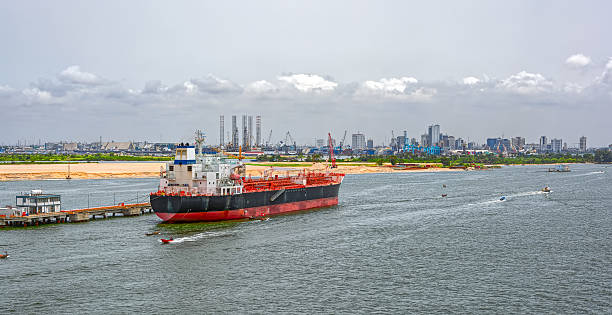
Offshore Support Vessels (OSVs) are the backbone of offshore oil and gas operations, especially in regions like the Nigerian Delta, deepwater fields, and West African coastal waters. These vessels don’t just transport cargo—they support drilling rigs, supply platforms, handle personnel movement, and maintain offshore logistics continuity.
Because OSVs operate in high-risk, high-cost environments, offshore support vessel management services are essential for ensuring safety, compliance, and profitability.
For vessel owners and offshore operators, effective management determines whether the vessel is a reliable working asset or a costly liability.
What offshore support vessel management services involve
Offshore support vessel management refers to the complete operational oversight of OSVs on behalf of owners or oilfield operators.
It typically includes:
- Technical maintenance and engineering supervision
- Crew recruitment and offshore certification management
- Offshore logistics coordination and supply runs
- Safety and regulatory compliance management
- Voyage and offshore mission planning
- Fuel and operational efficiency monitoring
- Financial reporting and cost control
In simple terms, it ensures OSVs remain fully operational, compliant, and ready for offshore assignments at all times.
Why OSV management is different from regular vessel operations
Offshore support vessels operate in more complex environments than standard cargo ships.
They are expected to:
- Operate close to offshore rigs under strict safety rules
- Handle time-sensitive supply missions
- Support drilling and production operations
- Maintain standby readiness for emergencies
- Navigate challenging sea conditions
This makes OSV management far more operationally intensive than conventional shipping.
Types of offshore support vessels under management
OSV management services typically cover several vessel categories, including:
- Platform Supply Vessels (PSVs)
- Anchor Handling Tug Supply (AHTS) vessels
- Offshore utility vessels
- Crew transfer vessels
- Standby and safety vessels
Each vessel type has unique operational requirements and safety standards.
Core components of offshore support vessel management
1. Technical maintenance and vessel readiness
OSVs must always be mission-ready.
Management includes:
- Engine and propulsion system maintenance
- Dynamic positioning (DP) system checks
- Hull integrity inspections
- Hydraulic and deck equipment servicing
- Preventive maintenance scheduling
Downtime in offshore operations can disrupt entire oilfield activities, making reliability critical.
2. Offshore crew management and certification control
OSV crews require specialized offshore training.
Management ensures:
- STCW and offshore safety certification compliance
- DP operator qualification tracking
- Crew rotation schedules for offshore assignments
- Safety training and emergency drills
- Payroll and welfare management
Highly trained crews reduce operational risk in offshore environments.
3. Offshore logistics and supply coordination
OSVs are central to offshore supply chains.
Management covers:
- Delivery of drilling equipment and consumables
- Fuel and water supply to offshore rigs
- Waste removal and backloading operations
- Personnel transfer coordination
- Cargo handling and deck operations
Timing and precision are essential in offshore logistics.
4. Safety and regulatory compliance management
Offshore operations are heavily regulated due to environmental and safety risks.
Management ensures compliance with:
- International Maritime Organization (IMO) standards
- MARPOL environmental regulations
- Flag state and port state requirements
- Offshore safety management systems (SMS)
- Oil and gas operator safety protocols
Non-compliance can result in severe penalties or operational shutdown.
5. Dynamic positioning (DP) system monitoring
Many OSVs operate using DP systems that maintain vessel position without anchoring.
Management includes:
- DP system calibration and maintenance
- Sensor and thruster performance monitoring
- Operator certification tracking
- System redundancy checks
DP reliability is essential for safe offshore operations near rigs.
6. Fuel efficiency and operational cost control
Fuel is one of the highest costs in OSV operations.
Management focuses on:
- Optimising vessel speed and routing
- Monitoring fuel consumption per mission
- Reducing idle engine usage
- Planning efficient offshore assignments
Even small fuel savings significantly impact operational margins.
7. Financial reporting and performance tracking
Owners and operators need transparency in offshore operations.
Reports include:
- Mission profitability analysis
- Fuel and maintenance cost tracking
- Vessel utilisation rates
- Downtime and standby performance
- Operational expenditure summaries
This helps evaluate vessel efficiency and contract performance.
Why offshore support vessel management is critical in Nigeria
Nigeria’s offshore oil and gas sector relies heavily on OSVs operating in:
- Niger Delta offshore fields
- Deepwater oil installations
- FPSO support zones
- Coastal logistics routes
Challenges in this environment include:
- Harsh sea conditions and weather disruptions
- Security considerations in certain maritime zones
- High operational costs
- Strict oil and gas industry regulations
- Complex coordination with multiple contractors
Professional management reduces operational risk in these conditions.
The cost of poor OSV management
Without structured management, vessel owners may face:
- Frequent mechanical failures offshore
- Mission delays and contract penalties
- High fuel inefficiency
- Safety incidents or regulatory violations
- Reduced vessel availability for contracts
- Increased repair and downtime costs
In offshore operations, even short delays can cause significant financial losses.
How OSV management improves profitability
Proper management leads to:
- Higher vessel uptime and availability
- More efficient offshore mission execution
- Reduced operational and fuel costs
- Improved safety performance
- Better contract compliance
- Increased long-term vessel value
Reliability is the key driver of offshore profitability.
Technology in modern offshore vessel management
Modern OSV management relies on advanced systems such as:
- Real-time vessel tracking systems
- DP monitoring software
- Predictive maintenance tools
- Fuel efficiency dashboards
- Offshore mission planning platforms
These tools improve decision-making and operational efficiency.
How logistics coordination supports offshore vessel performance
Even well-managed OSVs depend on strong logistics support.
This includes:
- Supply chain coordination with offshore platforms
- Cargo scheduling for equipment delivery
- Onshore warehousing and dispatch planning
- Port-to-field transportation efficiency
- Emergency supply chain response
Delays in logistics can directly affect offshore operations.
How Travo.ng supports offshore logistics coordination
While offshore vessel management focuses on vessel operations, logistics coordination ensures that materials and cargo move efficiently between ports and offshore destinations.
Travo.ng supports offshore-related operations through:
- Cargo consolidation and freight coordination
- Supply chain planning for offshore deliveries
- Port-to-destination logistics support
- Import and export coordination
- End-to-end cargo movement solutions across Nigeria
This helps reduce delays that can affect offshore mission timing and vessel utilisation.
Final thoughts
Offshore support vessel management services are essential for ensuring safety, efficiency, and profitability in demanding offshore environments.
For vessel owners and operators, especially in oil and gas regions like Nigeria, professional management is not just a convenience—it is a critical operational requirement.
With the right systems in place, OSVs become reliable, high-performing assets that consistently support offshore operations while generating sustainable returns.
