


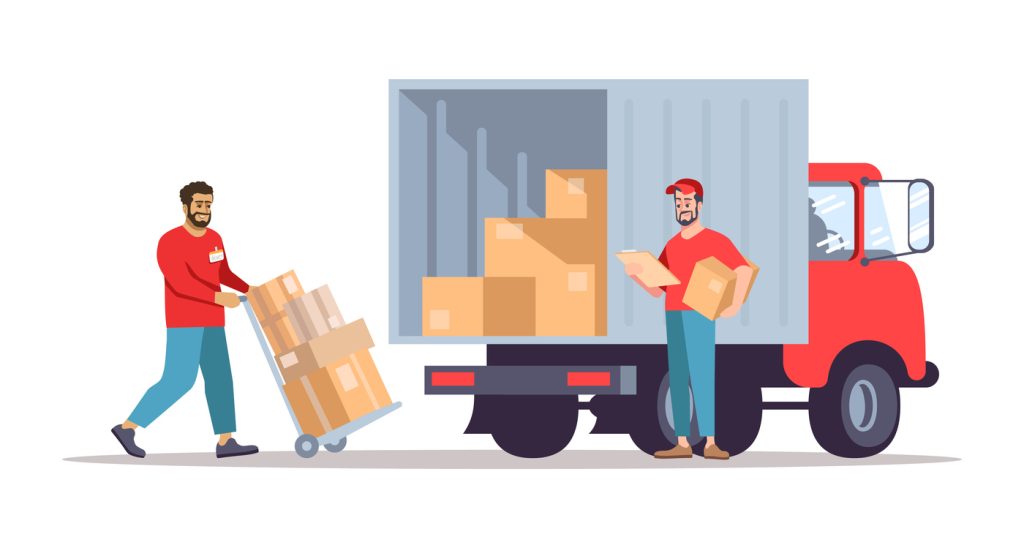
Relocating diplomatic personnel is very different from a standard residential move. Diplomatic assignments often involve strict timelines, security considerations, family relocation needs, and coordination with multiple government and private-sector stakeholders. This is why professional relocation services for diplomats in Nigeria have become increasingly important for embassies, consulates, international organizations, and foreign missions operating across the country.
Whether a diplomat is arriving in Abuja for a new posting, transferring from Lagos to another region, or concluding an assignment and preparing for departure, careful planning helps avoid unnecessary delays and disruptions.
What Makes Diplomatic Relocation Different?
Unlike conventional relocations, diplomatic moves involve more than transporting personal belongings from one location to another.
A typical diplomatic relocation may include:
- Airport reception and transfer services
- Temporary accommodation arrangements
- Long-term housing support
- Household goods transportation
- Vehicle movement and coordination
- Family relocation assistance
- School location support for children
- Local transport arrangements
- Settling-in services
Many diplomats arrive in Nigeria with limited knowledge of local transportation networks, housing markets, traffic conditions, and city-specific logistics. Having experienced local support significantly reduces the stress associated with relocation.
The Challenge of Moving Within Nigeria
Nigeria presents unique relocation challenges that require local operational knowledge.
For example, moving household items from Lagos to Abuja may take anywhere from one to three days depending on traffic conditions, cargo volume, road conditions, and scheduling requirements. During peak travel periods such as December, Easter, and major public holidays, logistics timelines can be affected by increased road traffic and transport demand.
Diplomatic personnel relocating to Abuja often need support navigating residential areas such as Maitama, Asokoro, Wuse, Guzape, and Jabi. Each district offers different housing options, commute times, and access to diplomatic facilities.
Without local guidance, securing suitable accommodation and arranging transportation can become time-consuming.
Coordinating Airport Arrivals Smoothly
One of the first impressions a diplomat receives of a new assignment comes immediately after arrival.
International arrivals through Nnamdi Azikiwe International Airport in Abuja or Murtala Muhammed International Airport in Lagos often require coordinated pickup services, luggage handling, and direct transportation to temporary or permanent accommodation.
Professional relocation providers help ensure:
- Drivers arrive on schedule
- Airport pickups are properly coordinated
- Family members travel comfortably
- Luggage and personal effects are handled securely
- Transportation is available for follow-up appointments
These seemingly small details can make a significant difference during the first few days in a new country.
Housing Support Matters More Than Most People Expect
Finding suitable accommodation is often one of the most complex aspects of diplomatic relocation.
Many incoming diplomats prefer residences with:
- Reliable power infrastructure
- Good road access
- Security-conscious environments
- Proximity to embassies and international offices
- Access to schools, healthcare facilities, and shopping areas
A relocation partner with local market knowledge can help identify practical housing options while reducing the time spent searching independently.
Moving Household Goods Across Nigerian Cities
Household relocation frequently involves transporting furniture, personal belongings, office equipment, and vehicles.
Common diplomatic relocation routes include:
- Lagos to Abuja
- Abuja to Lagos
- Port Harcourt to Abuja
- Kano to Abuja
- Lagos to Port Harcourt
The actual cost depends on cargo volume, distance, handling requirements, and delivery timelines. For example, transporting a full household from Lagos to Abuja may cost significantly more than a smaller apartment relocation due to vehicle size and labor requirements.
Proper inventory management and delivery coordination help prevent delays and ensure items arrive safely.
Why Local Logistics Experience Makes a Difference
Successful diplomatic relocation requires more than transportation capacity. It requires understanding how Nigerian cities operate on a daily basis.
Factors such as traffic congestion, route planning, airport schedules, weather conditions, and local service availability can affect relocation timelines.
This is where a company with practical experience in travel coordination, transport management, and logistics support becomes valuable.
At Travo.ng, clients can access services that support various aspects of relocation, including airport pickups, vehicle hire, transport coordination, hotel reservations, courier support, and logistics planning. These services can help diplomatic personnel and their families settle into their new environment more efficiently.
Planning Ahead Reduces Relocation Stress
The most successful diplomatic relocations are usually the ones planned early.
Before relocation begins, it helps to:
- Confirm travel dates well in advance.
- Arrange temporary accommodation if needed.
- Prepare household inventories.
- Schedule transportation requirements.
- Organize airport transfer logistics.
- Coordinate family relocation needs.
- Identify essential services near the new residence.
With proper planning and experienced local support, diplomatic personnel can focus on their official responsibilities rather than the complexities of moving.
For embassies, international organizations, and diplomatic missions, reliable relocation services for diplomats in Nigeria provide the structure, coordination, and local expertise needed to ensure a smooth transition from arrival to settlement.
