


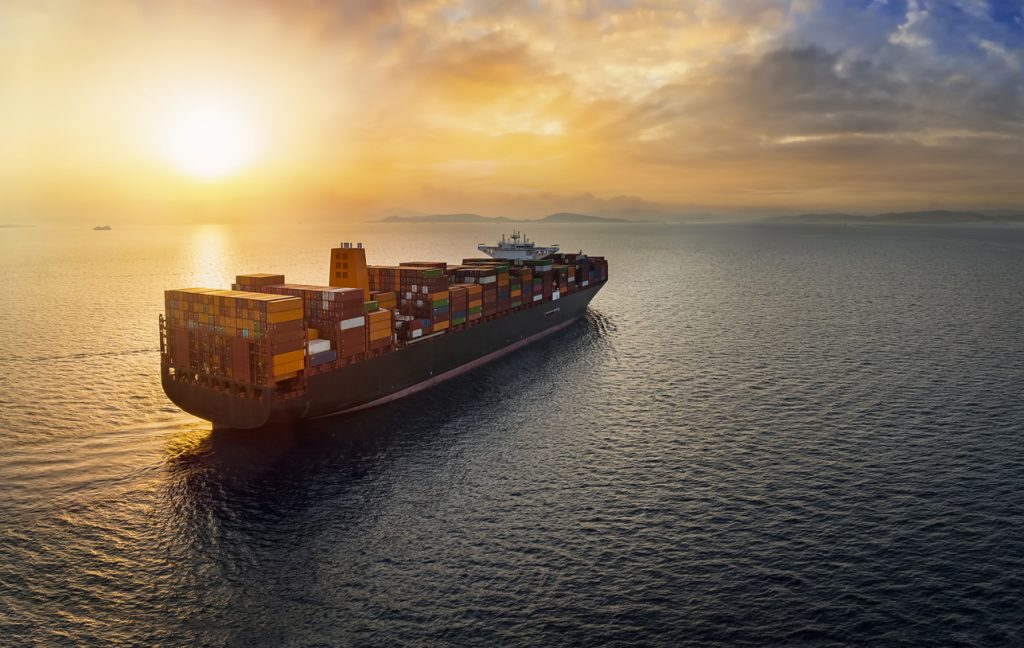
Cargo inspections in Nigeria are a routine but critical part of import clearance at ports like Apapa, Tin Can Island, and Lagos airports. For many importers bringing goods from China, Dubai, Turkey, or the UAE, inspection is where shipments either move smoothly into the market or get delayed for days or weeks.
In reality, cargo inspection is not random. It is triggered by risk flags, documentation inconsistencies, product categories, or customs profiling systems.
Why Nigerian Customs Inspects Cargo
Cargo inspections are carried out to ensure:
- Correct declaration of goods
- Accurate valuation for duty payment
- Compliance with import regulations
- Prevention of prohibited or restricted items
- Detection of smuggling or misclassification
Not every container is inspected physically, but almost every shipment is reviewed electronically through customs systems.
Types of Cargo Inspection in Nigeria
1. Document Inspection (Desk Review)
This is the first level of inspection.
Customs officers review:
- Commercial invoice
- Packing list
- Bill of lading or airway bill
- HS code classification
- Declared value of goods
If everything matches, cargo may be released without physical examination.
2. Physical Cargo Examination
This involves opening containers or packages for verification.
Inspectors check:
- Actual goods vs declared goods
- Quantity and packaging accuracy
- Product condition and labeling
- Hidden or undeclared items
This is common for high-risk or flagged shipments.
3. Scanning Inspection
Containers are scanned using X-ray or non-intrusive inspection machines.
This helps customs:
- Detect hidden goods
- Identify suspicious density patterns
- Verify cargo consistency without opening containers
Scanning is widely used at major ports like Apapa.
4. Joint Agency Inspection
In some cases, multiple agencies participate in inspection.
These may include:
- Nigeria Customs Service
- SON (Standards Organisation of Nigeria)
- NAFDAC (for food and medical goods)
- NDLEA (for drug-related risk screening)
This happens when goods fall into regulated categories.
Why Cargo Gets Selected for Inspection
Not all shipments are inspected physically, but certain factors increase the likelihood:
1. High-Risk Product Categories
- Electronics
- Used goods
- Pharmaceuticals
- Chemicals
- Fashion and branded items
2. Documentation Inconsistencies
- Mismatch between invoice and cargo
- Suspiciously low declared value
- Incorrect HS code classification
3. Importer Risk Profile
- New importers with no history
- Previous compliance issues
- Irregular import patterns
4. Random Selection
Some containers are selected randomly to maintain enforcement balance.
What Happens During Inspection at Nigerian Ports
A typical inspection process in Lagos looks like this:
- Cargo arrives at port terminal
- Customs flags shipment for review
- Importer or agent is notified
- Container is moved to inspection bay
- Goods are physically or digitally examined
- Findings are recorded by customs officers
- Cargo is either released, adjusted, or detained
Delays depend heavily on documentation quality and coordination between agents.
Common Problems During Cargo Inspection
Many importers face avoidable issues such as:
- Wrong HS code classification discovered during inspection
- Invoice values not matching physical goods
- Mixed cargo making verification difficult
- Missing regulatory approvals (SONCAP, NAFDAC, etc.)
- Poor labeling from suppliers in China or Dubai
Even small inconsistencies can lead to extended delays.
How Cargo Inspection Affects Import Timelines
Inspection can significantly impact clearance time:
- Fast clearance: 1–3 days (no physical inspection)
- Moderate delay: 3–7 days (document or scan inspection)
- Heavy delay: 7–21+ days (physical + agency inspection)
In some cases, storage and demurrage costs increase while cargo is being examined.
How Smart Importers Handle Inspection Risk
Experienced importers reduce inspection delays by:
- Ensuring accurate documentation before shipment
- Using correct HS codes from the start
- Avoiding suspicious undervaluation
- Keeping cargo categories consistent
- Preparing regulatory approvals early
The goal is to reduce “risk signals” before cargo reaches Nigeria.
TRAVO LOGISTICS INTELLIGENCE: MAKING CARGO INSPECTION SMOOTHER IN NIGERIA
One of the biggest causes of inspection delays is fragmented import coordination.
Importers often:
- Source from China or Dubai without compliance planning
- Ship goods without aligned documentation
- Use different agents for freight and clearance
- Only react when cargo is already flagged at the port
This is where structured logistics coordination becomes essential.
Platforms like Travo.ng help importers manage inspection outcomes by aligning:
- Pre-shipment cargo verification
- HS code and documentation alignment
- Freight coordination from origin countries
- Customs clearance planning in Nigeria
- Post-inspection delivery coordination
Instead of reacting during inspection, importers prepare for it before cargo leaves origin.
Final Insight: Cargo Inspection Is About Accuracy, Not Randomness
Cargo inspections in Nigeria are not just enforcement actions — they are verification systems.
The importers who succeed consistently are those who:
- Declare goods accurately from the start
- Match documentation with physical cargo
- Understand regulatory requirements before shipping
- Build structured logistics systems instead of reactive ones
Once this discipline is in place, cargo inspection becomes a routine checkpoint instead of a costly delay.
