


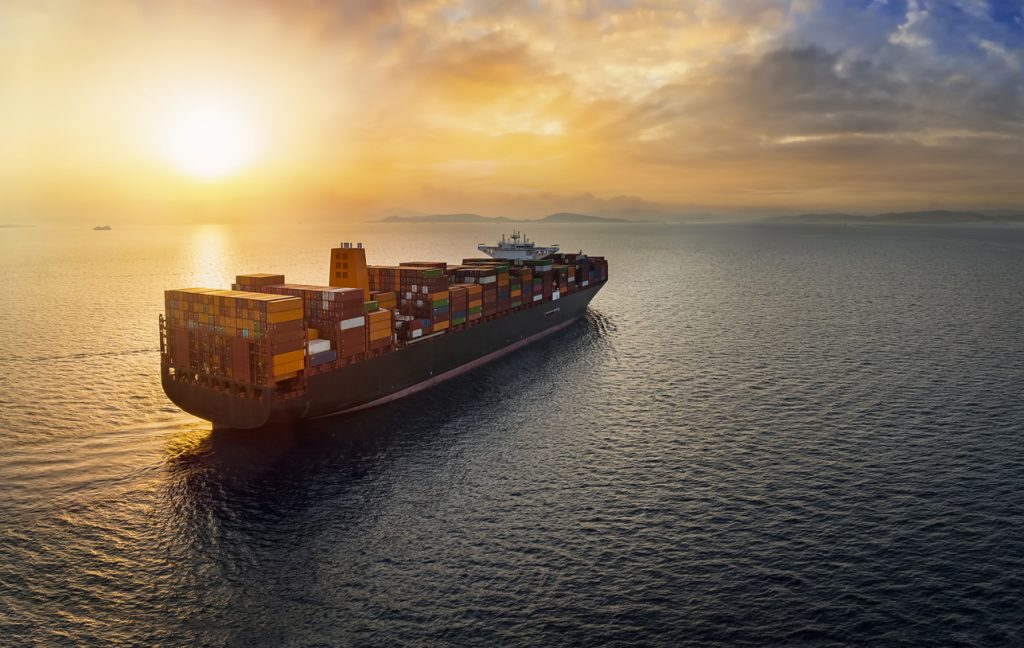
Onne Port shipping delays refer to the waiting time vessels spend before berthing, the time containers take before clearance, and the inland evacuation delays after cargo leaves the terminal. Compared to Lagos ports, Onne is generally more efficient, but it still experiences delays—especially when oil & gas cargo cycles, weather disruptions, or inland logistics pressure increase demand.
In 2026, Onne is best described as a “lower congestion port with occasional operational delays” rather than a permanently congested hub like Apapa or Tin Can.
Recent port data shows Onne often records low average vessel waiting times (around half a day in normal weeks), meaning ships are usually processed faster than in Lagos ports.
But that does not mean operations are delay-free.
What Onne Port delays look like in real operations
Even in a relatively efficient port, delays still appear in specific ways:
- vessels waiting at anchorage before berthing
- slow discharge during peak cargo periods
- container clearance delays for non–free zone cargo
- trucking delays from Rivers State to inland destinations
- project cargo waiting due to oil & gas scheduling priorities
So instead of constant congestion, Onne experiences periodic bottlenecks tied to industry cycles.
Why shipping delays still happen at Onne Port
1. Oil and gas logistics priority cycles
Onne is heavily tied to energy operations, meaning:
- offshore supply vessels take priority
- oilfield equipment imports create sudden volume spikes
- project cargo arrives in irregular but heavy batches
When these cycles peak, general cargo can experience slower processing.
2. Inland evacuation limitations
One of the biggest causes of “delays after clearance” is not the port itself but movement out of it:
- fewer trucks compared to Lagos logistics ecosystem
- longer haulage distances to inland states
- fuel cost and availability affecting trucking frequency
So cargo may clear fast but still move slowly out.
3. Terminal capacity pressure during peak shipments
Onne handles both:
- containerized imports
- heavy industrial and project cargo
When multiple large shipments arrive close together:
- yard space tightens
- equipment allocation slows
- vessel turnaround time increases
4. Documentation and customs processing variability
Although Onne includes free zone advantages, delays still occur when:
- cargo is outside free zone coverage
- inspections are required
- documentation is incomplete or inconsistent
5. Weather and port scheduling disruptions
Like other West African ports, Onne can be affected by:
- seasonal weather disruptions
- vessel bunching (multiple ships arriving at once)
- scheduling adjustments from shipping lines
These create temporary backlog effects.
How long Onne shipping delays usually last
Based on operational patterns:
- Normal conditions: same-day to 1–2 day vessel turnaround
- Peak industrial cycles: 2–5 day delays
- Project cargo or inspection-heavy shipments: can extend beyond a week
Compared to Lagos ports, delays are still significantly lower, but not zero.
Real impact of shipping delays at Onne Port
1. Project timeline disruption
Oil & gas and industrial projects may experience:
- delayed equipment arrival
- rescheduling of field operations
- higher standby costs
2. Inland logistics cost increase
When delays happen:
- trucking becomes more expensive due to waiting time
- fuel and driver costs increase
- delivery timelines stretch
3. Inventory and supply chain planning pressure
Businesses face:
- unpredictable arrival windows
- stockholding inefficiencies
- planning uncertainty for project execution
Why Onne is still considered more efficient than Lagos ports
Despite delays, Onne has advantages:
- lower average vessel waiting time
- less chronic road congestion
- strong free zone operational structure
- more industrial-focused cargo flow
It is still one of Nigeria’s most reliable alternatives for non-consumer bulk and industrial imports.
Where Travo.ng fits in real logistics operations
Shipping delays don’t end at the port—they affect everything around it
Even when Onne Port processes cargo efficiently, delays still affect:
- movement of import managers between airports and Rivers State
- logistics coordination for oil & gas procurement teams
- hotel arrangements for visiting international suppliers
- inland transport scheduling to Lagos, Abuja, and other regions
- urgent mobility needs during cargo release windows
How Travo.ng supports Onne-linked operations
Travo.ng helps businesses manage the operational side of shipping delays by coordinating:
- airport pickup and executive transport into Port Harcourt and surrounding areas
- logistics movement for oil & gas and import teams
- hotel booking for international partners and technical staff
- structured transport between port, warehouses, and project sites
- time-sensitive mobility planning during cargo clearance cycles
While Onne Port handles cargo efficiently, Travo.ng focuses on the real-world movement and coordination that keeps industrial and import operations running smoothly despite shipping delays.
