


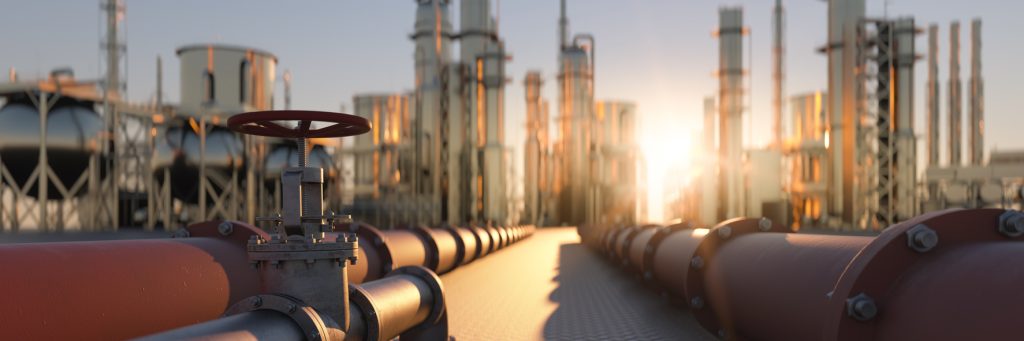
Moving petroleum products across Nigeria is one of the most sensitive logistics operations in the country. Every day, thousands of litres of petrol, diesel, aviation fuel, and other refined products travel between depots, ports, storage facilities, filling stations, industrial sites, and remote communities. Ensuring petroleum transport security in Nigeria is not just about protecting cargo; it is about safeguarding lives, infrastructure, businesses, and the nation’s energy supply chain.
From Lagos ports to fuel depots in Abuja, Kano, Port Harcourt, and Enugu, petroleum transport operators face unique security challenges that require proper planning, monitoring, and coordination.
Why Fuel Transportation Requires Extra Security Measures
Unlike ordinary cargo, petroleum products carry significant risks. Fuel tankers move highly flammable materials through busy highways, urban centers, and rural roads where accidents, theft, and operational disruptions can occur.
A single security lapse can lead to:
- Product theft and diversion
- Road accidents involving fuel tankers
- Environmental contamination
- Supply chain interruptions
- Financial losses for marketers and distributors
For companies moving fuel across Nigeria, transportation security has become an essential part of operational planning rather than an optional consideration.
The Routes That Present the Biggest Challenges
Certain transport corridors experience heavier traffic, longer transit times, and higher operational risks.
Some of the busiest petroleum movement routes include:
- Lagos to Abuja
- Lagos to Kano
- Port Harcourt to Enugu
- Port Harcourt to Abuja
- Warri to Northern Nigeria
- Calabar to South-East distribution hubs
A journey from Lagos to Abuja may take between 10 and 14 hours under normal conditions. However, delays caused by traffic congestion, road repairs, weather conditions, or security checkpoints can significantly extend delivery timelines.
These realities make route planning and monitoring critical components of petroleum transport security in Nigeria.
What Often Causes Product Loss During Transit
Many businesses assume fuel losses only occur through large-scale theft, but operational experience shows several contributing factors.
Common causes include:
- Poor vehicle maintenance
- Inadequate driver screening
- Unplanned route deviations
- Weak cargo monitoring systems
- Delays that increase exposure to risk
- Inaccurate documentation and inventory records
In some cases, a company may only discover discrepancies after delivery has been completed. This is why many logistics operators now invest in better tracking, reporting, and transport coordination procedures.
How Businesses Protect Petroleum Cargo Today
Modern fuel transportation relies on a combination of physical security and logistics management.
Effective measures often include:
- GPS vehicle tracking
- Driver verification procedures
- Route risk assessments
- Scheduled check-in reporting
- Escort arrangements when necessary
- Real-time transport monitoring
- Strict loading and discharge documentation
Businesses that transport fuel regularly understand that prevention is usually far less expensive than dealing with losses after an incident occurs.
The Impact of Road Conditions on Fuel Security
Road infrastructure remains a major factor affecting petroleum transportation across Nigeria.
Heavy tanker traffic combined with poor road conditions can increase:
- Vehicle breakdowns
- Delivery delays
- Accident risks
- Product losses
- Maintenance costs
For example, during the rainy season, some interstate routes become significantly more difficult to navigate. Logistics coordinators often adjust schedules and routes to reduce exposure to these challenges.
This local knowledge plays an important role in maintaining efficient and secure fuel movement.
Why Coordination Matters as Much as Security
One of the most overlooked aspects of petroleum transport security in Nigeria is coordination.
Security is not achieved by technology alone. It requires communication between:
- Transport operators
- Drivers
- Depot managers
- Fuel marketers
- Distribution teams
- Logistics coordinators
When communication breaks down, delays, documentation errors, and operational risks increase.
This is where experienced logistics support becomes valuable. Businesses often need reliable partners that can coordinate transportation requirements, monitor movements, arrange support services, and help ensure deliveries stay on schedule.
How Travo.ng Supports Logistics Operations
For businesses that require transportation and logistics support, Travo.ng provides practical solutions tailored to Nigerian operating conditions.
Depending on operational needs, businesses can use Travo.ng to coordinate:
- Corporate logistics support
- Interstate transportation arrangements
- Vehicle hire services
- Airport pickups for visiting operational teams
- Courier and document delivery
- Relocation logistics
- Travel bookings for field personnel
- Hotel reservations for project staff
Many organizations managing fuel distribution networks also require supporting logistics beyond the movement of petroleum products themselves. Coordinating travel, transport, accommodation, and business logistics through a single trusted provider can simplify operations significantly.
Planning Ahead Reduces Security Risks
The most successful petroleum transport operations rarely rely on last-minute decisions. They focus on preparation, route planning, proper documentation, and continuous monitoring throughout the journey.
As fuel demand continues to grow across Nigeria, businesses that prioritize petroleum transport security in Nigeria will be better positioned to reduce losses, improve delivery reliability, and maintain customer confidence.
Whether moving products across major commercial corridors or supplying remote locations, a well-coordinated logistics strategy remains one of the strongest defenses against operational disruption.
